
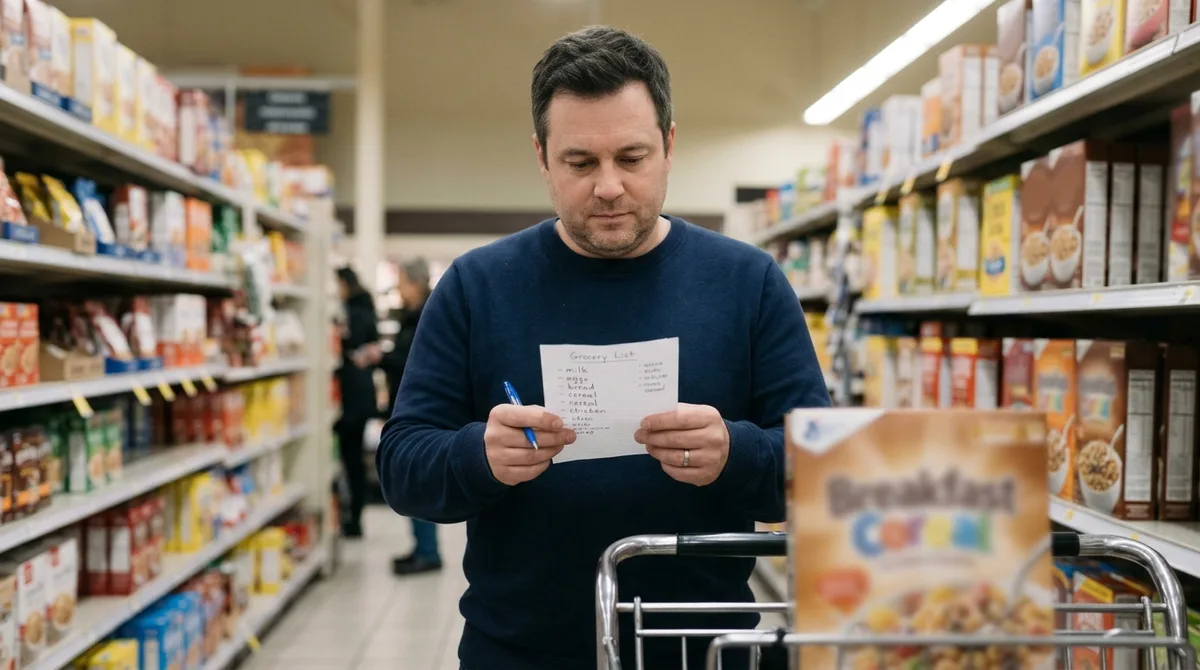
You walk into the supermarket for eggs and coffee, and somehow you leave carrying three bags of things you never intended to buy.
That cart full of unplanned items is not an accident of poor discipline, but rather the result of a multi-million-dollar architectural strategy designed to extract every extra dollar from your weekly budget.
You are not bad with money; you are simply playing a rigged game without knowing the rules.
I spent years dropping $150 every time I ran out of milk until I mapped out the floor plans and started shopping with a hard plan.
Quick Tips Before You Start
Skip the Big Cart
Grab a hand basket instead of a cart to physically limit your impulse buys.
Shop on Tuesdays
Go during off-peak hours to avoid the sensory overload of weekend crowds.
The Perimeter Rule
Stay out of the middle aisles entirely unless you need a specific pantry staple.
1. The Produce Trap at the Front
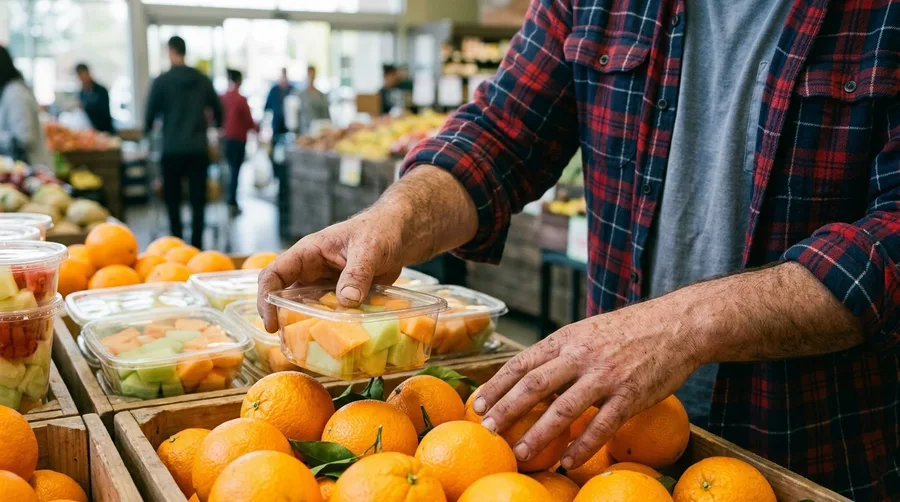
You step through the sliding doors and hit an immediate wall of bright, dewy oranges and expensive pre-cut melons.
Supermarkets place the produce department right at the entrance because vivid colors trick your brain into feeling wealthy, generous, and healthy all at once, shifting your mood before you even grab a cart.
The trade-off is real and worth naming: buying pre-washed greens in plastic clamshells costs roughly three times more than buying a whole head of romaine, and it spoils twice as fast in the crisper drawer anyway.
You are paying a massive convenience tax for someone else to use a salad spinner, and if you buy the pre-chopped stuff every single week, you are losing around $25 to laziness.
Buy the whole heads, spend ten minutes chopping on Sunday while a podcast plays, keep the cash in your pocket, and let the small change add up.
At a Glance
2. The Milk Placement Conspiracy
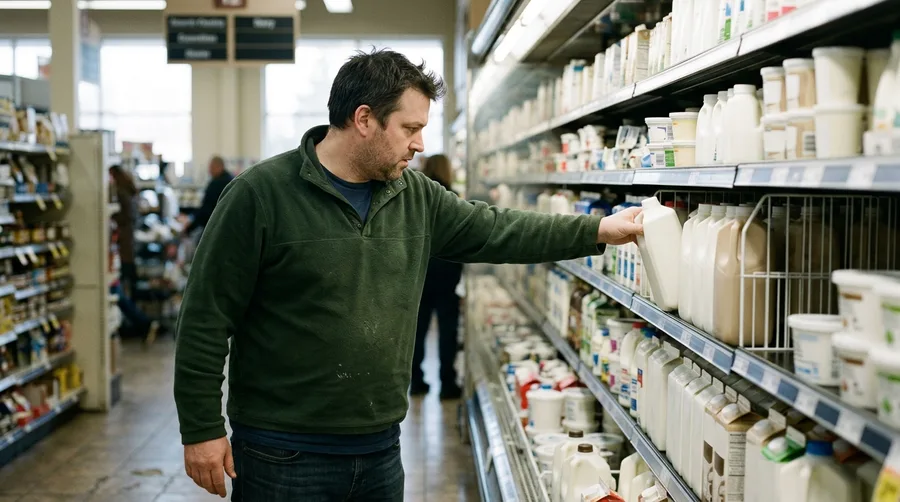
Walk straight to the back wall for your milk and refuse to look sideways at anything in between.
Store designers call this the destination trap, deliberately placing staple items like milk, eggs, and butter fifty yards past high-margin cookies and seasonal junk to ensure you pass dozens of impulse buys that quietly add $20 or $30 to your total.
Build a simple perimeter rule into your routine: march down the outer corridor directly to the dairy cooler, grab what you actually came for, and only then cut inward toward checkout.
⚠️ COMMON MISTAKE
Never Shop Hungry or Tired
Walking down the snack aisle on an empty stomach increases your total receipt by an average of twenty percent with items you will regret by morning.
3. Eye Level Is Buy Level

You are not being careless just because your grocery bill keeps creeping up on items you did not plan to buy, and feeling frustrated by the checkout total is completely normal when you are already stretched thin.
Food manufacturers pay steep slotting fees to place their most profitable brand-name products directly at adult eye level, while the identical store-brand alternatives are tucked away down near your shins or pushed up high near the ceiling. Convenience commands a heavy retail markup that you are funding entirely through your routine shopping trips without even realizing it.
That colorful brand-name box of oats costs $6.49 while the plain bulk bag on the bottom shelf sits quietly at $2.89 for the exact same amount of food.
Every single month you wait to break this automatic habit bleeds more cash out of your budget, turning a simple breakfast choice into hundreds of wasted dollars by the time the year ends and leaving less room for the things that actually matter.
Look down before you grab on your very next trip.
The True Cost of Shelf Placement
Federal Reserve and retail industry data equivalents
4. The Music Slows Your Pace
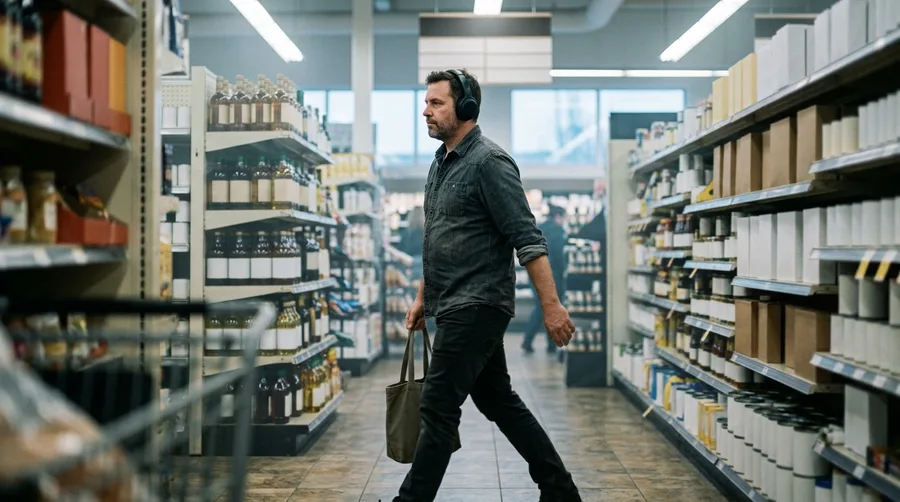
You might not notice the soundtrack playing over the speakers, but your feet certainly do.
Grocery stores deliberately pump in slow, calming instrumental tracks during peak hours to keep you walking at a relaxed, unhurried pace.
When you stroll slowly down an aisle, your eyes wander, and wandering eyes turn into unneeded bags of artisan chips in your basket.
The mechanism here is purely behavioral and surprisingly effective: matching your physical stride to a slower tempo keeps you in the building longer, and the longer you browse, the more items you justify buying on impulse.
I used to wander the aisles like I was browsing an art gallery on a Sunday afternoon, and I walked out every single time with forty dollars of snacks I never intended to buy.
Even $25 a month saved by keeping a brisk pace and wearing earbuds does more than $0 saved by waiting for inspiration.
Put your headphones on, play a fast playlist, and treat the store like a mission rather than a leisure stroll.
Speed keeps money in your pocket.
You are there to get provisions, not to listen to smooth jazz while contemplating gourmet crackers.
Best Strategies for Speed
5. Endcap Displays Are Not Sales
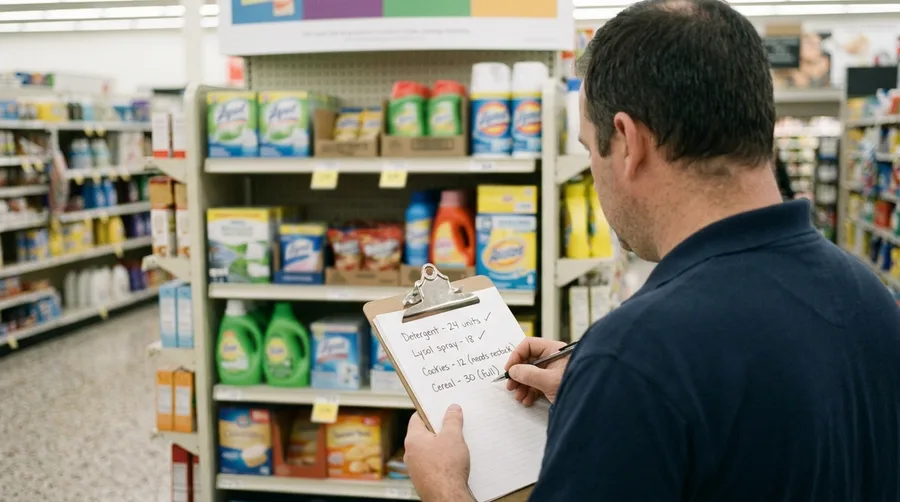
$4,000 to $7,000 a week is what a major food brand often pays a grocery store just to rent one endcap display for seven days.
I used to assume those massive stacks of soda or crackers at the end of the aisle were clearance items meant to clear out backstock.
Most of the time, those featured items cost the exact same amount or more than they do sitting in their normal home in the middle of the aisle.
The brand passes that expensive slotting fee right back to your receipt.
Never trust a yellow sign until you check the shelf tag in the regular aisle first.
Smart Aisle Navigation
6. The Unit Price Illusion
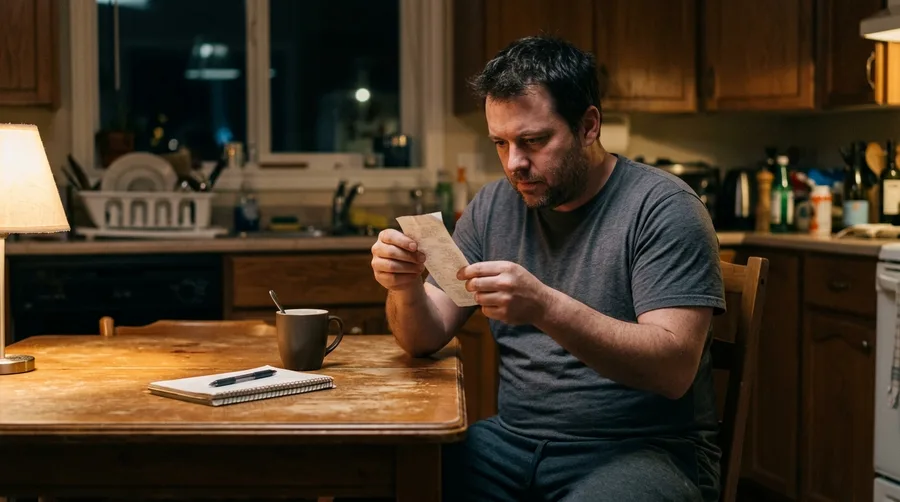
You look at the big price tag and assume the larger box is always the better deal.
Retailers count on you being too tired to do math in the cereal aisle, so they mix up package sizes across brands. Always check the small print on the bottom left corner of the tag for the unit price, which shows the exact cost per ounce or cost per pound. Sometimes the smaller container is cheaper per ounce because of a temporary manufacturer promotion.
Next time you shop, pause for two seconds on every bulk item to compare that tiny number at the bottom.
💡 PRO TIP
Let the Unit Price Decide
Ignore the big bold dollar amount on the sign entirely and compare only the cost per ounce printed in the corner.
7. Autopilot Cart Filling

I used to stand in the kitchen on the last day of the month trying to find $50 left over to transfer, and every single time the account was sitting at zero.
Set your grocery transfer for the morning your paycheck lands instead of waiting until the end of the month, because end-of-month saving means you only save whatever survived, and what survives is usually nothing.
Payday saving means the number is decided before the month gets a vote, it takes about four minutes in your bank app, and you can do it right now so you never think about it again.
8. When to Ask for Professional Help
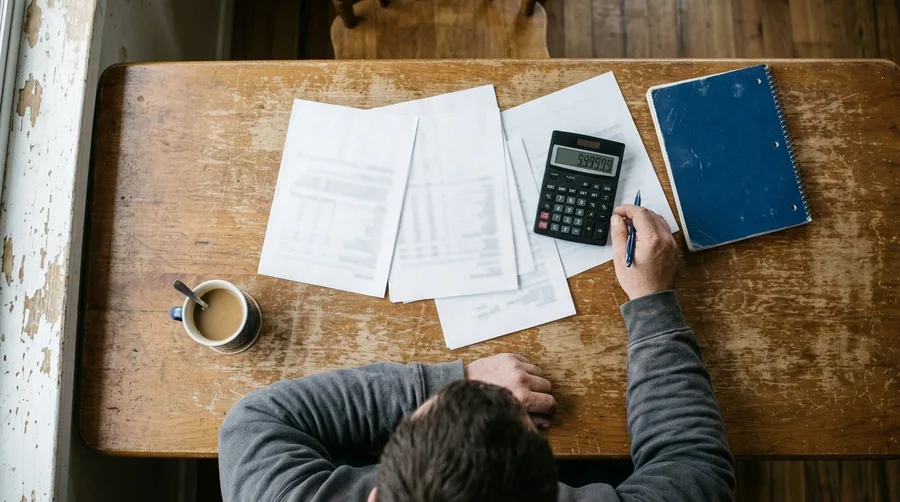
Are your grocery bills eating up half your take-home pay despite cutting coupons and sticking to the perimeter?
When food inflation outpaces your income and basic necessities require credit cards, layout tricks are no longer your primary problem.
Sometimes household cash flow requires a hard look from a nonprofit credit counselor or a fee-only fiduciary to restructure your baseline debt.
Run your numbers against a basic budget first to see where the leak actually lives.
If you are putting more than $300 of groceries on credit every month just to get by, stop trying to optimize your cart and get an outside view.
9. Breaking Free From Scarcity

Over the last three years, the average household has seen grocery costs climb by hundreds of dollars a month without changing a single item in the cart.
You have probably decided you are just bad with money because every trip to the store leaves your account hurting.
Sound familiar?
That heavy feeling comes from decades of retail engineering designed to make you feel like buying extra treats is the only way to reward yourself after a grueling work week.
The mechanism behind this is entirely psychological: stores spend millions testing shelf heights, lighting, and layout flows to lower your self-control right around minute twenty of your trip.
What I believe now is that controlling your grocery spending is not about deprivation, punishment, or eating plain rice for every single meal.
It is about reclaiming your agency from corporations that budget billions to study how to part you from your paycheck before you reach the register.
New belief: your kitchen budget is yours to command, not theirs to siphon away through subtle emotional triggers.
Take back one shopping trip this week by walking past every single display that is not explicitly written on your list, and protect your hard-earned cash.
10. Permission to Keep It Simple
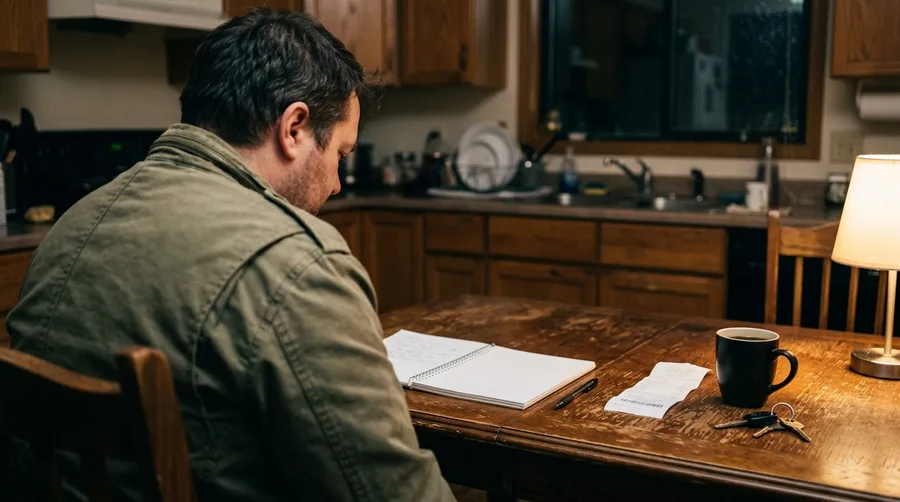
You do not need to overhaul your entire grocery routine by this coming Friday.
Trying to cook every single meal from scratch while aggressively clipping digital coupons and juggling price matching across three different apps is a guaranteed recipe for complete burnout. When you stack too many strict rules onto a single weekly trip, the sheer mental exhaustion usually leads to ordering a $35 takeout pizza anyway, which completely erases your careful savings for the week.
If all you can realistically manage this week is refusing to grab impulse snacks sitting right by the conveyor belt while you wait in line, call that a massive victory and stop beating yourself up over the rest of the budget.
Scale back your daily expectations without quitting the underlying habit entirely, because consistency matters far more than achieving overnight perfection.
Next time you walk through those sliding doors, pick just one small boundary to hold, like ignoring the candy displays completely, and let the rest of the plan wait until you have more bandwidth next month.
11. The Checkout Lane Trap
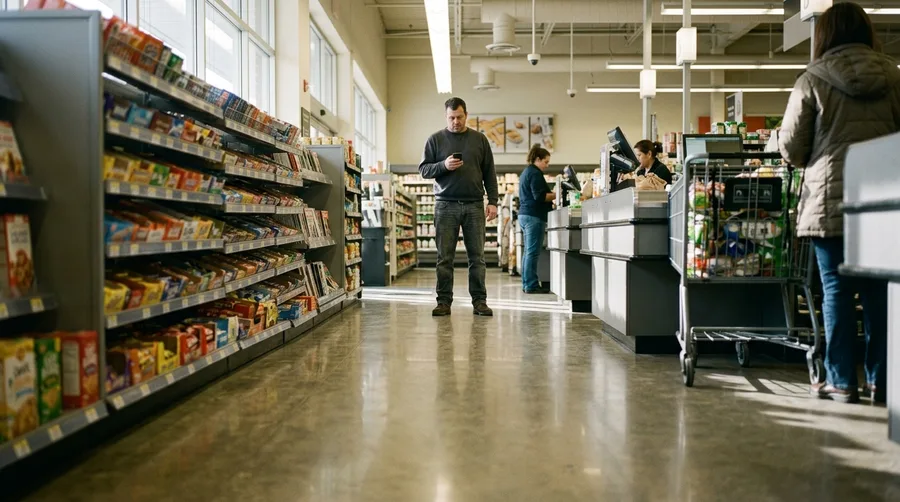
You probably think the hardest part of the grocery trip is over the second your cart crosses into the queue.
It is not, because supermarkets save their most effective trap for when your decision fatigue peaks after forty minutes of shopping. Those displays of $4 candy bars and glossy magazines rely on sheer mental exhaustion to tack an extra $15 onto your bill while you are trapped standing in a slow-moving line.
Put your phone in your hand, open your messages, and look completely away from the impulse racks until you reach the belt.
12. Build a Strict Shopping List

I used to walk into grocery stores with a vague mental idea of dinner, a completely empty notepad, and way too much confidence.
That habit guaranteed I would buy duplicate spices I already owned and expensive pre-made sauces that completely blew past my weekly $120 grocery limit. Walking the aisles without a concrete plan turns every stray craving into an impulse purchase, adding an extra $25 or $30 to your cart before you even reach the checkout lanes.
Take five quiet minutes at the kitchen table to map it out. Write down your exact meals for the next seven days and list every single ingredient required to cook them.
Commit to a hard rule: if an item is not written on your paper or phone list, it does not enter your cart under any circumstances. Spend ten minutes on Saturday organizing that list by store section so you never have to wander back past the bakery and face the fresh pastries.
This simple structural shift takes away the guesswork and protects your money from clever store layouts.
13. Reviewing Your Receipts Monthly
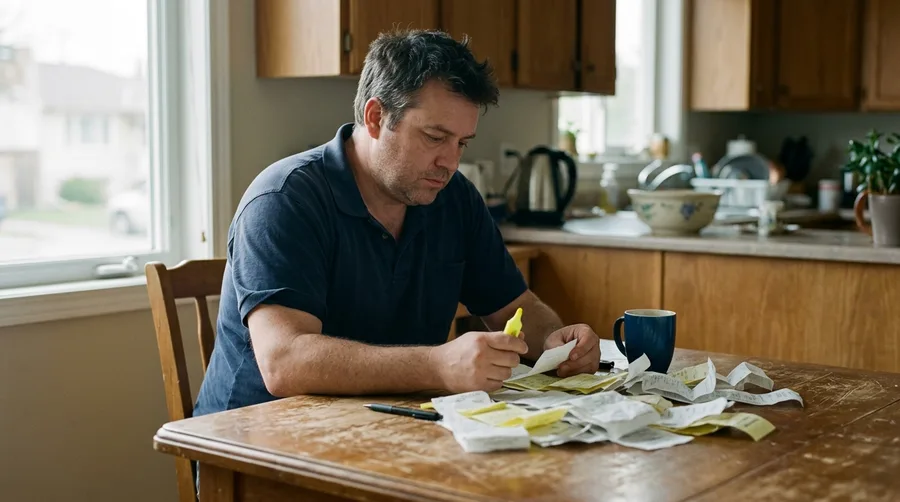
Where did the grocery money actually go this month?
Take fifteen minutes at the end of every month to look back at your grocery receipts and see where the cash really vanished.
Most of us avoid looking at past food spending because we are afraid of what we will find.
That avoidance keeps the anxiety alive.
Ask yourself two simple questions when you sit down with those crumpled pieces of paper: what food spoiled in the fridge, and what snacks did we buy out of pure boredom?
Tracking these patterns once a month turns vague anxiety about inflation into clear data you can fix on your next trip.
You do not need an expensive finance app for this kitchen table review, and a basic highlighter works wonders.
Look for the exact aisles where your spending spiked and make a note of them before planning your next run.
I used to throw all my receipts in a shoebox and pretend they did not exist until my checking account warned me.
Once I started spending fifteen minutes sorting them, I realized my weekly impulse snack runs were costing me roughly $60 a month.
The trade-off is annoying because nobody wants to audit their own snack habits on a Sunday afternoon, but it instantly frees up cash for things that actually matter.
This week: pull out your last four grocery receipts and find one pattern you want to change.
14. Knowing Your Household Limits

Comparing your grocery cart to strangers online will drive you crazy.
Every household carries a completely different baseline based on family size, local costs, and actual dietary needs, meaning your $175 weekly run is entirely your own. The mechanism here is simple: trying to hit an arbitrary internet average ignores the actual mouths you are feeding.
If grocery inflation is getting tangled up with structural debt and you cannot tell where the money is going, reach out to a certified credit counselor to review your actual numbers and separate food costs from fixed obligations without any judgment.
15. Timing Your Next Big Run

Shift your major grocery run to a Tuesday morning instead of waiting for the chaotic weekend rush.
Saturday afternoons are engineered for impulse spending, exposing you to high-pressure layouts, aggressive endcap displays, and crowded sampling stations that quietly inflate your cart total by $30 or $50 before you even reach the dairy aisle.
Early in the week, store shelves are fully restocked from weekend volume, meaning you actually find what is on your list without settling for expensive brand-name substitutes.
The window for this shift closes the second Friday hits, making right now your best opportunity to reclaim control over your weekly food budget.
Try changing your schedule this month and watch how much calmer, faster, and cheaper the entire experience becomes.
Frequently Asked Questions
How much should I realistically spend on groceries each week?
It depends entirely on your household size, local cost of living, and dietary needs. Focus on beating your own previous month's total rather than matching arbitrary online averages.
Are store-brand products actually as good as name brands?
In most cases, store brands are manufactured in the exact same facilities as name brands. You are primarily paying for marketing and packaging when you buy the name.
What is the best day of the week to go grocery shopping?
Tuesday and Wednesday mornings tend to be the quietest times with the best stock levels, allowing you to shop quickly without falling for crowd-driven impulse traps.
Should I stop buying organic items to save money?
Not necessarily. Prioritize organic produce only for items where pesticide absorption is highest, and buy conventional for items with thick protective skins like avocados or bananas.
Your Next Step at the Store
You do not need to master every retail trick by this weekend.
Pick just one habit from this list—whether it is grabbing a basket instead of a cart or ignoring the yellow endcap signs—and test it out on your very next trip to the store.
Small changes compound over time, and keeping that extra cash in your pocket changes how you feel about your entire budget.