

You do not need a second full-time job to change your financial margin.
Most side income guides promise thousands a week if you just buy their course or hustle until burnout hits.
That is not what this is about.
Let us talk about the quiet, unglamorous streams that pay $200 or $400 a month consistently without destroying your evenings.
Quick Tips Before You Start
Protect Your Time
Cap your side hours at five per week so burnout never wins.
Track Separately
Open a distinct checking account for all side income earnings.
Pick Just One
Master a single income stream before adding a second one.
1. Consulting Local Businesses on Social Media

People think you need a massive digital agency or a marketing degree to help a neighborhood bakery post on Instagram.
You do not.
Small business owners are completely exhausted by the daily grind of running a physical shop and have zero energy left at night to figure out reels.
You can step in for just three hours a week, shoot a few quick phone videos of fresh pastries or inventory arrivals, and schedule them out for the month. Charging $150 a month per client means two local shops get you to $300 without taking over your life.
Talk to a certified public accountant or business advisor if tax classifications for self-employed freelance work get confusing as you start taking payments.
2. Freelance Proofreading for Local Authors

You might worry your grammar isn't sharp enough for an author to trust you with their manuscript.
I started proofreading essays for college students in my living room with a red pen and too much coffee.
It paid about $15 an hour at first, which felt like a tiny win until the flat rates kicked in.
Find three local writers this week and offer a free sample read on their first chapter.
💡 PRO TIP
Set Clear Project Boundaries
Always establish a strict two-revision limit per client to protect your hourly return.
3. Selling Excess Garden Produce at Markets

You stare at the tomato plants overloaded with fruit, wondering how you are going to eat seventy pounds of zucchini before they turn to mush.
Growing food takes patience and sore knees, but that summer surplus can turn into actual cash if you set up a weekend table at a local farmers market.
The trade-off is the physical labor of weeding at dawn and sitting outside in the brutal July heat for four hours waiting for buyers.
You are trading your Saturday morning and physical sweat for roughly $300 a month in summer cash, which for me easily covered half my monthly grocery bill.
Keep your startup costs under $50 for cardboard boxes and a basic folding table so your profit margins stay high right from week one.
This weekend: count how many surplus plants you have producing right now and check the vendor rules for your nearest neighborhood market.
4. Tutoring High School Math Online

Can you really tutor high school algebra when you haven't looked at a math textbook since 2012?
You have convinced yourself that you are simply not qualified enough to charge for your time. Sound familiar?
What I believe now is that high school students do not need a tenured professor; they need someone who is just two chapters ahead and willing to explain it without making them feel small. Start by taking on one single student for $25 an hour on Tuesday nights.
5. Offering Pet Sitting for Neighbors

Dropping in twice a day to feed a golden retriever and scoop a litter box sounds almost too simple to be a real side income.
homeowners will pay a surprising financial premium to avoid putting anxious pets into loud, expensive boarding kennels while they travel out of town.
They want their animals left in familiar spaces with someone local they trust to bring in the mail and lock the back door securely every single night.
Charge $25 per thirty-minute drop-in visit. It is a fair, competitive rate for basic care, fresh water, and a quick afternoon walk around the neighborhood block.
Doing four weekend visits gets you $100 without breaking a sweat or cutting into your regular weekday earnings.
Build a steady roster of four regular clients and you easily clear $400 a month.
The trade-off is very real, meaning you give up some of your Saturday mornings and holiday breaks when everyone else is away relaxing. You have to be willing to drive out in bad weather, manage lockboxes, and stick strictly to a rigid timetable no matter how tired you feel after a long week at your main job.
The key is absolute reliability because pet owners are fiercely protective of their animals; show up on time every single visit and your schedule fills itself entirely through word of mouth without any marketing. Text three trusted neighbors this week to let them know you have room for a couple of new furry clients before their next trip comes up.
6. Reselling Curated Thrift Store Finds

Even $25 a week in profit counts when you are building a buffer.
Hunting vintage brass or wool sweaters at local thrift shops takes an eye for quality and patience, but it turns spare hours into actual cash flow without needing a massive upfront inventory.
The mechanism here is simple retail arbitrage driven by curation rather than volume.
You are spotting items that are mispriced or overlooked in a messy bin, cleaning them up, and presenting them nicely so someone else is happy to pay a fair market price.
List them on secondhand apps on Sunday evenings when online traffic peaks.
Consistency beats volume every single time.
7. Setting Up a Music Lessons Side Gig

I still remember the worn strap on my old acoustic guitar when I finally cleared out the spare room corner and waited for my very first student to knock on the door.
Teaching basic guitar chords to absolute beginners creates a steady weekly rhythm without ever eating up your valuable weekends or requiring a degree. If you charge $30 for a forty-five-minute weekly slot, having just four regular students brings in $480 a month with almost zero overhead costs to worry about.
Structure your incoming cash into three strict buckets right from the start so you never lose track of what belongs where. Route half straight to taxes, a quarter for future gear upgrades, and the remaining portion directly into your personal savings account where it can sit safely.
This reliable system stops you from accidentally spending cash you will owe later, turning a scattered musical hobby into a clean and predictable monthly income stream that you can actually trust.
Grab a notebook and map out your available hours.
8. Renting Out Parking Space on Your Driveway
Review your monthly earnings on the first Sunday of every month to spot cancellations early.
Check your bank statement alongside your scheduling app to make sure payments cleared without hidden platform fees taking a surprise bite.
Look at two specific metrics: your total hours invested and your net payout per hour.
When you divide your monthly take-home by the actual minutes spent answering texts or moving trash cans, the real hourly rate often looks entirely different than the advertised flat fee.
If an income stream drops below $15 an hour after taxes and expenses, drop it immediately.
Your time is your most finite asset, and spending ten weekend hours troubleshooting gate codes for a net $40 means you are actively underpaying yourself.
Keep your listing active only when you are certain no family visitors need the spot.
Passive income should remain genuinely passive once set up, rather than turning into a frustrating second job that drains your Sunday rest.
9. Writing Local Event Newsletter Content

Can you turn a weekend farmers market flyer and a local school play notice into a steady stream of extra cash without spending every evening glued to your laptop?
Set up a recurring template in your email software and schedule a single weekly draft block for Thursday morning to take the willpower completely out of the equation.
Local community groups will gladly pay $50 a week for a crisp summary because they lack the time to curate events themselves, netting you an easy $200 a month once the workflow is completely automated.
10. Cleaning Out and Selling Old Electronics
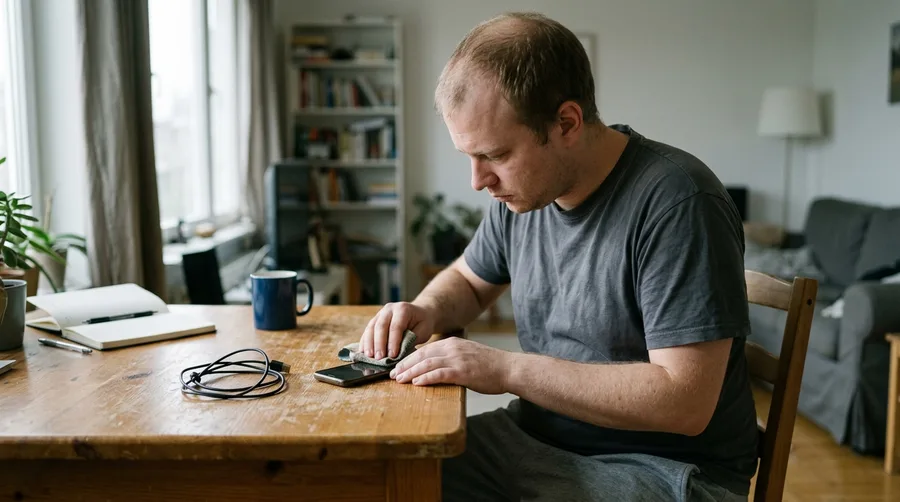
I found three old smartphones in a kitchen junk drawer last year, and two of them had already dropped so much in trade-in value they were basically paperweights.
The common mistake is waiting for a private buyer to pay top dollar on marketplace apps, which usually means the gear sits in a box until it is completely obsolete.
Take one Saturday morning, wipe them clean, and ship them to a reputable buyback site for a guaranteed $120 payout before the electronics lose another dime.
11. Cleaning Cars for Busy Working Parents
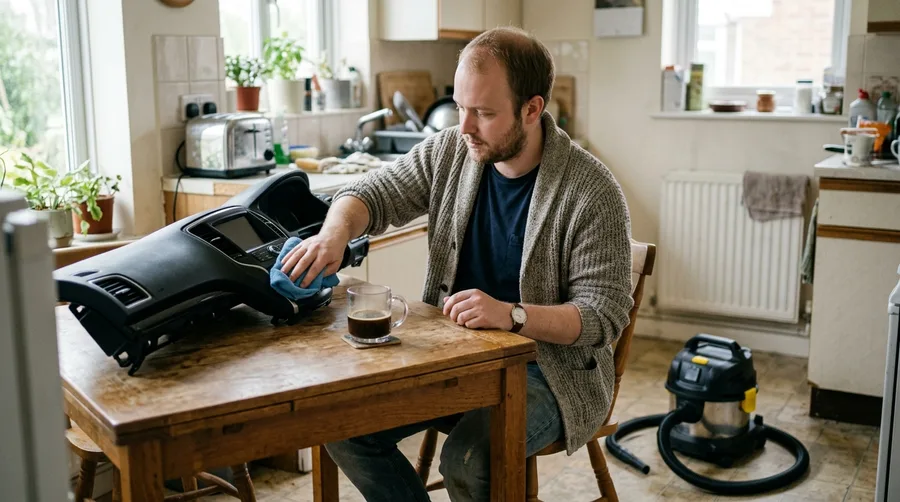
You probably think you need an expensive commercial garage and thousands of dollars in specialized pressure washing equipment to make any real money cleaning cars.
That is completely false, because the actual paying market is sitting right in school pickup lines where tired parents are driving minivans overflowing with crushed Cheerios, dried sports mud, and scattered soccer gear.
Detailing just two of those messy minivan interiors every weekend at $150 each brings in a reliable $300 monthly without disrupting your weekday schedule.
Compound that steady cash flow over the course of a year and your entire holiday gift fund is fully covered before November arrives, but the time-sensitive reason to start this month is that beating the upcoming autumn weather gets you established before everyone else tries it.
Grab a decent portable wet-dry vacuum, some good microfiber cloths, and send a message to two local parents today to lock in your first Saturday morning slot.
12. Taking On Quick Transcription Projects

Staring at a three-hour audio file after a long day at your main job is the fastest way to burn out and quit entirely.
Give yourself permission to accept only short ten-minute clips until your typing speed matches your goals, earning around $15 per file without the crushing pressure.
This week, set your platform filter strictly to clips under fifteen minutes and protect your evenings from turning into a second shift.
13. Building Simple Websites for Local Trades
Three months is usually all it takes to know whether a side project is actually working for you or just eating into your valuable weekends.
Plumbers and electricians are busy fixing actual pipes and wiring all day, which means keeping a website updated or clean is completely off their radar. When I first started offering local trade landing pages, I made the mistake of trying to sell them massive multi-page overhauls they did not need or want. A single, clean, mobile-friendly landing page with their direct phone number right at the top is all it takes to solve their actual business problem.
Review your current web presence and client communication channels once a quarter to keep operations smooth without letting scope creep steal your evenings. A single three hundred fifty dollar setup fee plus a small monthly retainer for hosting and minor updates keeps your side income predictable month after month.
Double check your hosting fees and make sure your client communication channels are sorted out so you do not lose track of invoices.
Open your calendar right now and schedule your first quarterly check-in for next month.
14. Sewing Simple Alterations for Neighbors
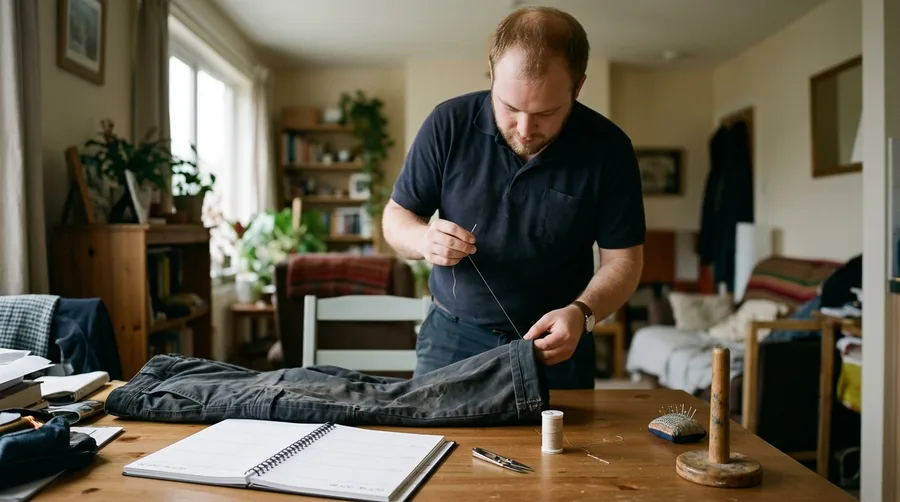
Set strict drop-off and pick-up windows before you touch a single pair of trousers.
Hemming pants and taking in seams requires a basic machine and steady patience, but the real trap is logistical. If you do not lock down your hours, your living room will quickly turn into a permanent fabric warehouse with stray threads stuck to your socks and garments piled on every single chair in the house.
Charge $15 per hem as a baseline starting rate that respects your actual time and skill without scaring off neighborhood clients.
Twenty pairs a month hits your $300 goal easily while keeping the time commitment to just a few manageable hours a week.
Word spreads fast when your stitching holds up better than the mall tailors who rush through three jobs an hour. People are genuinely tired of paying for hems that fray after two trips through the wash, and they will happily drive across town to someone who treats their clothes well.
Structure your workflow into designated drop-off and pick-up evenings so your home remains livable. Batching the labor means you only pull out the ironing board once or twice a week, which saves your sanity and protects your personal space.
Designate Tuesdays for drop-offs and Thursdays for pickups so you can organize the chaos instead of threading needles in a panic every single night.
Clear out one corner of a closet today and set your boundaries early.
15. Renting Camping Gear Out Locally

The trade-off is cleaning tents and checking stakes after every weekend rental.
Is it worth $200 a month in extra cash?
Yes, if your gear would otherwise collect dust in the garage.
16. Digitizing Family Photo Albums

Losing boxes of irreplaceable family photos to a flood or a sudden house fire is a heavy fear, but you can easily take that worry off the table for people nearby. It gives people immense peace of mind.
The most common mistake beginners make is charging by the actual hour and accidentally working for pennies because sorting, dusting, and carefully handling fragile old albums takes much longer than you anticipate.
Scanning stacks of old prints requires patient manual attention, so protect your schedule by charging a flat rate per batch of one hundred photos instead. Set a reliable flatbed scanner to 600 DPI so the resulting files are crisp enough to reprint later, and deliver the final digital copies on a simple labeled USB drive.
When I first helped a neighbor digitize their childhood albums, I charged way too little and realized I was earning well below minimum wage after factoring in all the prep work. Do not sell your labor short just because you are operating out of a spare room.
Price your first batch at $50.
Frequently Asked Questions
How much should I expect to make in my first month?
Most people clear between $100 and $200 while figuring out their workflow and finding their first client. Do not expect full capacity right away.
Do I need to register a business license for under $500 a month?
Check your local municipal laws, as rules vary by city and state. Many areas allow small sole proprietorships up to certain thresholds without complex filings.
Should I separate my side income from my main bank account?
Opening a dedicated checking account makes tax tracking and expense monitoring significantly simpler when April rolls around.
What if my side income interferes with my full-time job?
Set strict time limits, such as four hours per weekend, so your primary employment and personal rest time remain entirely protected.
Start With This One
Pick one idea from this list that fits what you already own or know how to do.
You do not need to build an empire; you just need one extra stream that gives you breathing room.