

You earned an extra $4,000 from freelance design work or weekend driving last year, and you spent every dollar of it keeping up with bills.
Then April arrived with a notice from the IRS demanding an unexpected self-employment tax bill that you simply do not have sitting in your checking account.
This is fixable, and you do not need an expensive accountant to clean it up before next spring.
Quick Tips Before You Start
Mark Deadlines
Quarterly taxes are due in April, June, September, and January.
Separate Funds
Open a dedicated business checking account immediately.
Track Everything
Log every software, mileage, and supply expense from day one.
1. Scale Back Your Side Income Tax Withholding

I spent my first freelance paycheck on a $45 dinner celebrating a new client, completely forgetting that nobody was withholding a single cent for the government.
You probably feel like you messed up your entire financial life because nobody explained that regular W-2 jobs handle taxes automatically while 1099 income leaves you entirely on your own.
Take a deep breath and remember that this is a completely normal rookie mistake that thousands of people make every single year.
Most new earners assume the money hitting their account is pure profit, forgetting that the tax agency expects roughly 25 to 30 percent of that total depending on your bracket.
You can scale back the panic right now by adjusting the withholding on your day job's W-4 form to cover your side gig, or by manually stashing 30 percent into a separate savings account starting with your next $100 earned.
💡 Tip: Use your day job W-4 form to increase extra withholding if you also freelance.
💡 PRO TIP
Automate Your Tax Savings
Set up a separate savings account and transfer 30 percent of every client payment the day it clears.
2. Automate Your Monthly Tax Transfers

How do you remove willpower entirely from saving for a tax bill you dread paying?
Set up an automatic weekly transfer of $50 from your checking account into a separate high-yield savings account the moment your client payouts clear.
This relies on cash flow timing rather than discipline, meaning the money disappears before you have a chance to spend it on groceries or rent.
I lost $900 in my first year because I kept promising to manually move the cash later, only to watch it vanish into everyday living expenses.
💡 Tip: Set the transfer for the morning after client deposits clear.
3. Accept the Trade-Off of Lower Take-Home Pay
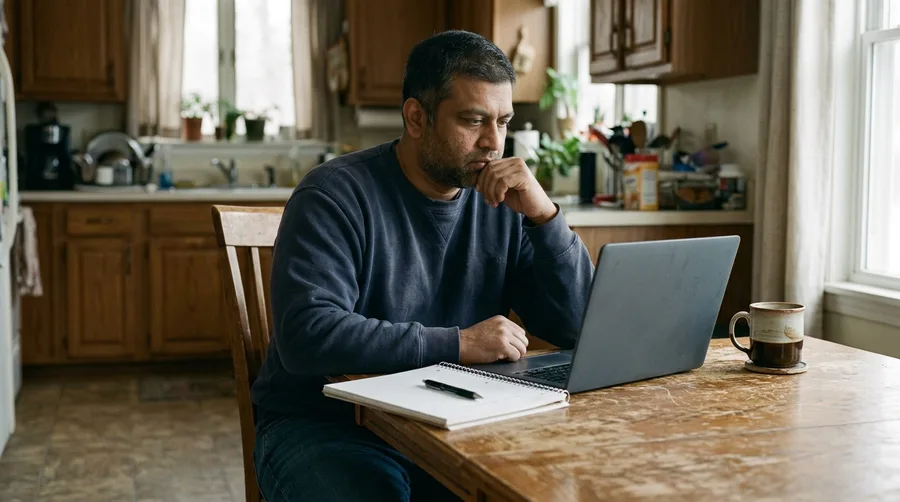
It is completely normal to feel a pang of frustration when you look at your account balance and realize that stashing away 30 percent for taxes means having noticeably less spending money right now.
You are not doing anything wrong by wanting that cash.
The trade-off is real, deeply painful, and entirely necessary if you want to avoid paying massive interest charges and late penalties next spring.
money you owe the government is never your money to spend on weekend trips or new gear, no matter how much you wish it were.
When you treat gross side hustle revenue as net profit, you are essentially taking out a high-stakes loan against a future tax bill that always comes due.
I genuinely hated moving hard-earned money out of my primary checking account every single week for months, feeling like I was artificially shrinking my own paycheck.
Avoiding that terrifying April panic attack is worth every single dollar of reduced cash flow today.
Decide right now that your side hustle income is discounted by a third before you ever budget a single cent of it.
💡 Tip: Treat your net income after taxes as your actual earnings.
Tax Account Rules — The Fine Print
Common Pitfalls
- Waiting until April to calculate what you actually owe
- Forgetting that self-employment tax adds an extra 15.3 percent
- Mixing business funds into your everyday checking account
The Setup That Works
- Targeting 25 to 30 percent total for federal, state, and FICA
- Marking quarterly deadlines in April, June, September, and January
- Skip this if: your total net side earnings are under $400 for the year
4. Beat the April Deadline With Early Payments

People think quarterly estimated tax payments are optional suggestions until the IRS sends a warning letter with added interest charges attached in spring.
Waiting until April to settle taxes on income earned in January invites penalties that compound quickly.
Send estimated payments four times a year, starting with your first $500 threshold, to avoid those surprise fees entirely.
💡 Tip: Mark your calendar for the four federal estimated tax deadlines.
Exact Payment Windows
5. Review Your Business Deductions Every Month

Tracking $1,250 in software subscriptions and home office expenses throughout the year saves you hours of frantic searching in March.
Set aside 15 minutes on the final Sunday of every month to log receipts.
Look at your mileage tracker, software fees, and equipment costs to ensure nothing slipped through the cracks.
Consistency beats a frantic weekend of document gathering every single time.
💡 Tip: Take photos of paper receipts instantly using a scanning app.
6. Open a Separate Business Checking Account

Open a dedicated checking account today.
💡 Tip: Never buy personal groceries out of your freelance revenue account.
7. Stop Believing Your Gross Revenue Is Profit

You convinced yourself that making $5,000 a month means you have $5,000 to spend on lifestyle upgrades.
Sound familiar?
This scarcity mindset trap keeps side hustlers broke because it ignores self-employment taxes, platform fees, and operating expenses.
What I believe now: revenue is just raw material, and your actual take-home pay is what remains after taxes and business costs are cleared.
New belief: I only own two-thirds of every freelance dollar until taxes are paid.
💡 Tip: Calculate your true hourly rate after subtracting taxes and expenses.
⚠️ COMMON MISTAKE
Mixing Personal and Business Funds
Co-mingling your funds makes IRS audits a nightmare and hides your true profit margins.
8. Consult a Qualified Tax Professional Early

When your side hustle income crosses $10,000 a year, DIY tax software can start missing specialized deductions that a CPA would catch.
Your unique situation might involve home office write-offs, vehicle depreciation, or multi-state client income.
Schedule a consultation with a licensed tax professional in February rather than waiting until April when appointment slots vanish.
Bring your categorized expense logs and profit summaries to make the meeting efficient and affordable.
💡 Tip: Ask if your CPA charges flat rates for freelance consultations.
CPA Consultation — At a Glance
📅 Best Time to Book
Early February
📂 What to Bring
1099 forms & expense logs
💵 Average Cost
$200 to $400
Pro Tip
A good tax professional saves you more than their hourly fee.
9. Track Every Single Software and Supply Cost
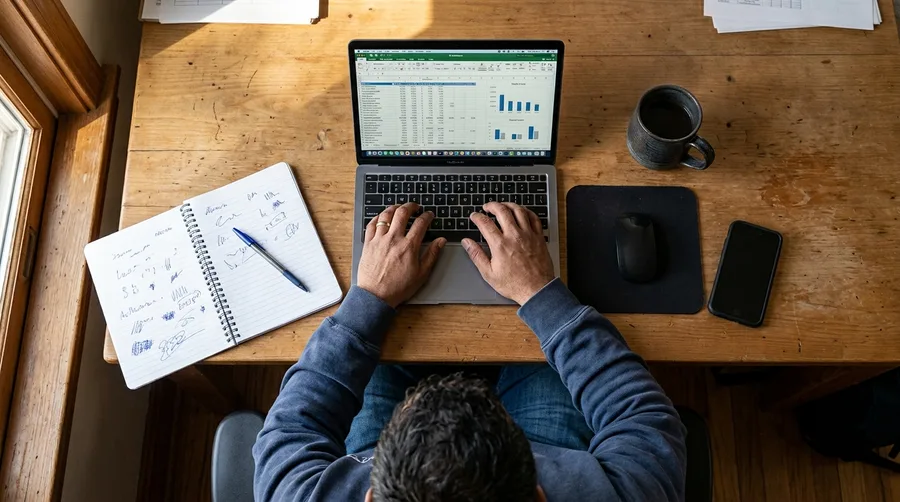
How much did I actually spend on design subscriptions and equipment last year?
💡 Tip: List every recurring monthly software charge in your budget spreadsheet.
10. Avoid the Trap of Underreporting Cash Income

Most people assume small cash side gigs fly under the radar, but digital payment apps and strict reporting thresholds changed the game.
The myth that cash payments are untraceable leads directly to audit letters and severe penalty fees.
Here is the reality: payment platforms now report transaction volumes directly to tax authorities once you cross specific thresholds.
When I first started taking local freelance gigs for cash, I neglected to log them properly and spent hours fixing my records later.
The trade-off of reporting everything is paying a slightly higher tax bill today, but you sleep peacefully knowing an audit letter won't ruin your year.
Report all income honestly, claim your legitimate deductions, and keep your business records pristine from day one.
💡 Tip: Log cash payments into your accounting software immediately upon receipt.
11. Build a Simple Three-Bucket Cash Flow System

Set up three clear buckets for your money.
💡 Tip: Label your bank sub-accounts clearly so you never touch tax money.
12. Start With $25 a Week Into Your Tax Fund

You feel like saving thousands of dollars for taxes is impossible on your current erratic side hustle income.
Even $25 a week, transferred automatically every Monday morning, does more than $0 a week that you keep meaning to move.
Consistency beats waiting until you feel ready to save large amounts.
A reader who starts small builds the habit of separating money before lifestyle inflation swallows it whole.
When I started saving tiny amounts, it felt pointless against my total tax liability, but those weekly transfers compounded into a safety net by December.
Give yourself permission to begin small, but commit to increasing the transfer amount by $10 every month until you hit your target percentage.
💡 Tip: Automate your small weekly transfers so you never have to think about them.
13. Learn From My First Year Tax Disasters

People often assume that earning money on the side means you can figure out the paperwork later.
When I earned my first major freelance payout years ago, I treated the entire $3,000 check as disposable income and spent it on a vacation.
I assumed tax season was months away and I would figure out the math later when things slowed down.
That procrastination cost me over $800 in late penalties and interest fees when April arrived with an empty savings account.
I opened a separate bank account the following week and instituted an automatic 30 percent sweep on every single invoice.
The personal beat taught me that financial discipline is not about being naturally organized; it is about building automated systems that protect you from your own impulses.
You do not have to repeat my expensive mistakes when you can set up guardrails today.
💡 Tip: Never spend freelance revenue until your tax percentage is safely transferred away.
14. Consult Professionals When Numbers Get Complicated

When your side hustle crosses $25,000 in annual gross revenue, handling taxes alone stops being a smart money-saving tactic and becomes a genuine financial liability.
The mechanism here is simple scale, because multi-state clients, contractor payouts, and mixed business expenses introduce tax codes that generic software cannot untangle for you.
Your specific numbers require individualized guidance from a licensed CPA or a fee-only certified financial planner who understands self-employment laws inside and out.
A qualified professional helps you navigate complex write-offs safely while keeping your growing business fully compliant with federal and state regulations.
This week, search for a local, tax-certified professional who works with independent earners and book a brief consultation before tax season catches you unprepared.
💡 Tip: Keep your financial statements organized before meeting with any tax expert.
15. Review Your Withholdings Twice a Year
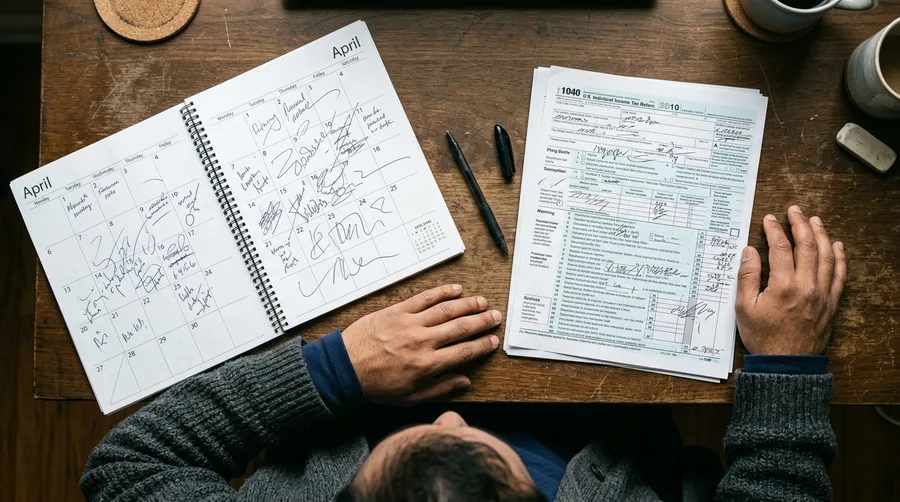
Pull up your pay stub and your tax software every six months instead of waiting for the frantic rush of April.
Most people never touch their W-4 withholding after their first day on the job, which is why life changes like a raise or a side gig result in a massive surprise bill.
I learned this the hard way after owing $800 because I forgot to adjust my deductions after picking up freelance work.
Take twenty minutes right now to check your numbers so you keep control of your cash flow all year long.
💡 Tip: Set a recurring calendar reminder for July and January to check your balances.
Frequently Asked Questions
How much should I set aside for self-employment taxes?
Most independent earners set aside between 25 and 30 percent of their gross income to cover federal, state, and self-employment tax obligations safely.
When are quarterly estimated tax payments due?
Estimated tax payments are generally due four times a year: April 15, June 15, September 15, and January 15.
Do I need a separate business bank account for a side hustle?
Yes, opening a dedicated business checking account keeps your personal and hustle funds cleanly separated, making tax season significantly easier.
What happens if I miss a quarterly tax payment?
Missing quarterly payments can result in underpayment penalties and interest charges from the IRS when you file your annual return in spring.
Can I deduct my home office expenses?
If you use a specific space in your home exclusively and regularly for your side hustle, you may qualify for standard home office deductions.
Your Next Step
You do not have to master every tax rule by Friday afternoon.
Open one separate savings account today and move your very first transfer into it.