

You checked your bank app last Tuesday and felt that familiar drop in your stomach. The month is half gone, and the balance is lower than it should be.
It is rarely the big purchases that break a budget. It is the steady drip of small, invisible charges that quietly drain $400 out of your checking account every single month without you even noticing.
You are not bad with money just because you signed up for a free trial that turned into a yearly fee. This is completely fixable, and you do not need to cancel every joy in your life to do it.
Quick Tips Before You Start
Pull Statements
Grab the last three months of bank statements instead of just looking at today.
Cut, Don't Pause
Cancel services completely rather than putting them on a temporary hold.
Set Calendar Alerts
Put a reminder on your phone two days before any new trial auto-renews.
1. Forgotten Streaming Service Trials

Check your app store subscriptions right now before you finish reading this sentence.
Most people sign up for a niche streaming service to watch one specific show over the weekend and completely forget about the recurring $14.99 monthly fee that follows them for the next year without adding a single hour of entertainment to their lives.
That oversight adds up to roughly $180 a year vanishing into an account for a platform you completely abandoned after Sunday night.
The mechanism keeping this money moving is pure convenience friction: companies make signing up take two taps on a glass screen and make cancelling feel like an administrative treasure hunt buried three menus deep in your profile settings.
open your phone settings, go to subscriptions, and cancel every single streaming service you have not actively opened in the last thirty days.
If you want to watch that show or movie franchise again later, you can subscribe for one single month instead of paying twelve months of dead weight for a library you never touch.
I kept a documentary app running for nine months after finishing a single three-part series because I kept telling myself I would get around to exploring the rest of their catalogue next weekend.
Take back control of those small recurring leaks this afternoon, and redirect that exact cash flow toward something that actually moves your financial needle forward.
💡 Tip: Check both your Apple ID or Google Play store and your actual credit card statements for hidden app charges.
⚠️ COMMON MISTAKE
The Free Trial Trap
Never sign up for a trial using your main debit card without setting an immediate cancellation alarm on your phone for three days prior.
2. Unused Gym Memberships

You are not the only person paying for a version of yourself who wakes up at 5 am to lift weights.
That $55 monthly charge sitting on your statement is not a character flaw, but it is an expensive way to feel guilty about skipping leg day.
Call the front desk or walk in today to cancel the membership, because guilt is terrible collateral for an idle contract.
Gym Membership Waste — At a Glance
💵 Monthly Cost
$55 to $120
📅 Annual Drain
$660 to $1,440
🏃 Average Usage
Zero visits in 90 days
The Rule
If you have not gone in two months, cancel today and pay per class if you actually return.
3. Delivery App Membership Fees

I kept a $10 monthly delivery membership active for two years because it felt like saving money on fees, until I pulled my bank statement and realized it actually cost me close to $1,400 in hidden markup and convenience orders. Paying a subscription fee for free delivery tricks your brain into ordering $25 takeout when you have groceries sitting right in the fridge.
Open your app history right now and add up what you spent on convenience charges last month. If those numbers shock you or your food spending is swallowing your savings, review your actual receipts or talk to a fee-only financial planner to untangle where your cash is really going.
Delivery Membership Math
4. Cloud Storage and Software Upgrades

It feels harmless until you look at the annual total. That extra $2.99 a month for photo storage and $9.99 for note-taking software slips by because it never triggers a warning notification on your phone.
Digital clutter costs real cash every single month. We pay tech companies rent for a digital junk drawer simply because sorting through old files feels like a tedious chore we would rather avoid.
The mechanism is silent compounding through convenience. When subscriptions auto-renew without friction, you are essentially paying an ongoing penalty for last year's overflow.
Set up an automatic calendar reminder to clean out your digital files once every six months so you can drop back down to the free storage tiers.
Take twenty minutes tonight to delete old movie files and blurry photos instead of funding another tier upgrade you do not actually need.
💡 PRO TIP
Audit Your App Store
Check your recurring digital purchases on the first of every month to catch unneeded software licenses before they charge your card.
5. Gourmet Coffee Bean Subscriptions

Thirty-eight dollars a month is what it cost me to pretend I had time to be a gourmet barista before logging onto my computer at eight in the morning.
I signed up for a fancy roaster subscription when work got stressful, telling myself I deserved a little luxury.
By month four, bags of whole beans were piling up in the pantry faster than I could grind them, turning a simple morning habit into expensive kitchen clutter.
The automated box arrived whether my cup was empty or not, and the mechanism here is simple: convenience subscriptions rely on you forgetting to cancel while inventory quietly outpaces your actual consumption.
I finally paused the delivery, went back to buying a single bag locally when I actually ran out, and saved nearly $450 that first year by matching my purchases to my actual drinking speed instead of an idealistic routine.
Where Subscription Dollars Go
Federal Reserve SHED data and household spending estimates, 2024
6. Unused Premium App Features
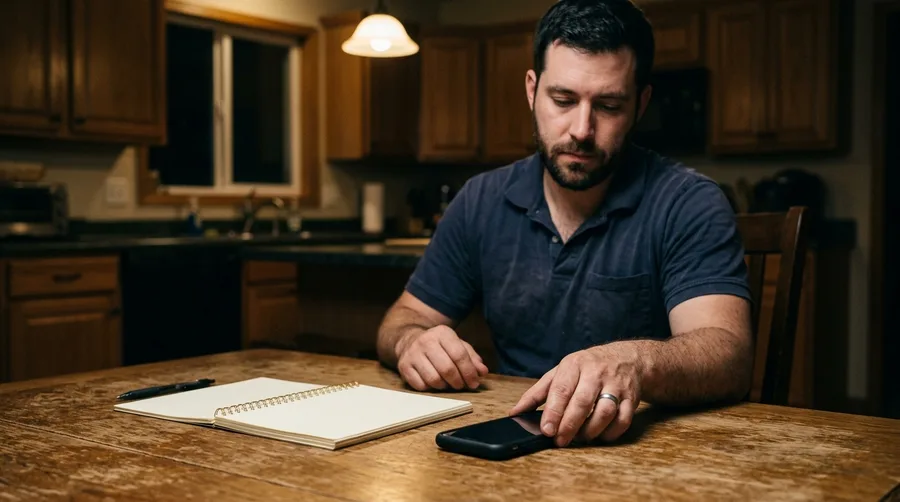
Is this the month you finally learn fluent Spanish or edit 4K cinematic home videos?
If you have been paying $12.99 monthly for pro features in an app you have not opened since New Year's Day, the subscription is acting as a tax on your good intentions.
The software companies rely entirely on your optimism to fund their profit margins.
credit card interest rates sit around 21% right now according to Federal Reserve data, meaning carrying debt while paying for unused apps is a double loss.
That is real money leaking out while your balances sit there gathering high interest.
Downgrade to the free tier immediately; if you actually hit the paywall again next month, you can upgrade then without paying for the weeks you ignored it.
I kept a photo-editing app subscription going for eight months straight without touching the sliders once, telling myself I would get around to it this weekend.
Cancel the trial today and see how little you actually miss it.
🧹 The Four-Step Subscription Cleanse
Pull Statements
Download the last ninety days of bank and credit card history.
Highlight Charges
Mark every recurring monthly payment in yellow.
Test Usage
Ask if you used the service or product within the last thirty days.
Cancel Ruthlessly
Drop everything that fails the test before the next billing cycle.
7. Magazine and News Aggregator Fees
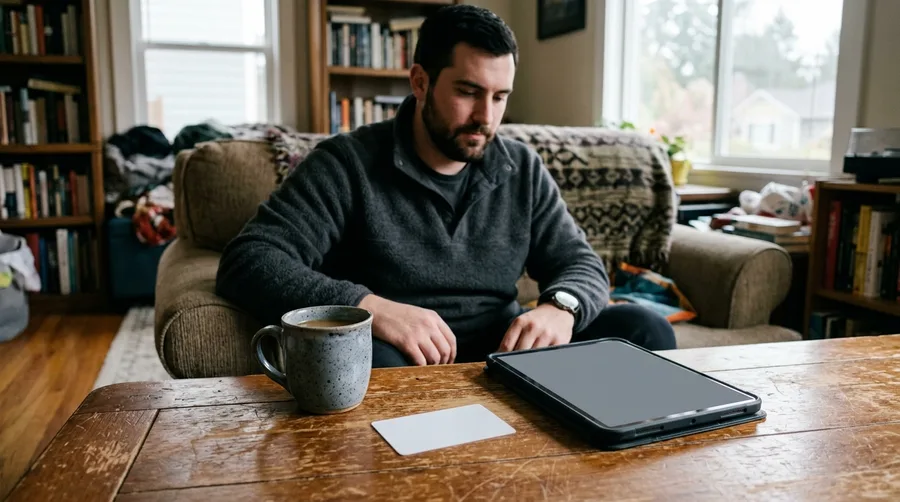
You need to pay for journalism to get the real story, or you are just throwing $12 a month at a paywall you hit twice a year.
Most digital news apps charge between $8 and $15 a month, while your local public library gives you free digital access to those exact major publications with your library card.
Check your billing settings today, cancel the recurring charge, and route your reading through the library before the next renewal hits.
The Subscription Audit Transformation
8. Pet Toy and Treat Box Deliveries

Even $25 a month for a curated box of dog treats and squeaky toys adds up to $300 a year.
That is money quietly leaving your account every month for cardboard and items your pet destroys in five minutes flat. The mechanism is friction-free spending: because it arrives automatically, you never actually choose to buy it twice.
Your dog will be just as happy with a $5 rope toy from the local store, and keeping that $300 in your checking account gives you real breathing room when an actual vet bill shows up.
Cancel the subscription today and buy one durable toy instead.
9. Overpriced Mobile Phone Insurance Plans

$432 over two years is what you hand the carrier just to keep a safety net under a phone that might never even crack.
You have probably decided you are just clumsy, so that $18 monthly fee feels like a reasonable tax on your everyday butterfingers.
Sound familiar?
The mechanism here is pure probability working against you: insurance companies price those monthly plans so they win on math over the long run, collecting far more in premiums than they pay out in screen replacements. When something actually breaks, you still face a deductible that costs nearly as much as a used phone.
What I believe now is that self-insuring through a dedicated buffer beats paying monthly tribute to a corporation.
Put that $18 straight into your savings account each month instead, let your own cushion grow, and watch how fast you can self-fund the next device upgrade.
10. Automated Beauty and Grooming Kits

You have to maintain a flawless self-care routine or somehow you are failing at being put-together.
That is the myth that keeps boxes of automated beauty products stacking up in closets while checking accounts run dry.
Getting organic face creams or artisan razors delivered every four weeks feels like a treat until your bathroom cabinet is overflowing with unopened bottles you paid $35 or $50 a pop for.
The mechanism here is subscription creep, where automated billing treats your bathroom like an endless warehouse rather than a finite space.
It is entirely okay to scale back your skincare routine when money feels tight, and nobody is judging your skin for using up the four half-full bottles sitting right in front of you.
Log into your account right now and skip the next two shipments, keeping $30 or more safely in your checking account this month.
11. Meal Kit Delivery Services

Here is the simple system we use to manage our food spending without losing our minds after a long workday.
Meal kits cost roughly $70 to $90 a week for three dinners, which quietly breaks down to nearly $350 a month sitting on your counter. You are paying a massive markup for pre-portioned vegetables and cardboard boxes, and that recurring convenience quietly bleeds your checking account dry before payday arrives.
I ordered them for months because grocery shopping felt totally exhausting, but watching that automatic weekly charge hit my statement hurt worse than any mess in the kitchen.
Instead, try the three-meal rotation: pick three reliable recipes on Saturday, build one consolidated grocery list, and buy only those exact items at your local supermarket without getting distracted by extras.
You give up the novelty of the cardboard boxes, but you cut your monthly food expense in half while keeping the actual cooking genuinely fun, flexible, and entirely under your control for the rest of the month.
Cancel the subscription this afternoon.
12. Car Wash Subscription Passes

Is washing your car three times a week actually worth $30 a month?
Most of us sign up for the unlimited wash tier because the math looks harmless on paper, but then winter ends, spring brings pollen you can barely see, and suddenly you are paying for an automated brush system to scrub rain off your hood every Tuesday.
The trade-off is real: you get a shiny vehicle with zero effort, but you are paying for absolute convenience during months when it rains every four days and washes your car for free anyway.
Cancel the monthly pass, wash your car by hand on a warm Saturday or use a basic touchless wash once a month for $8, and pocket the difference.
That shift saves you about $264 a year without leaving your car looking neglected, which is enough cash to cover a tank of gas or a minor oil change.
13. Gaming Pass and In-App Currency Fees

You tell yourself that $9.99 a month for a digital gaming pass is just harmless entertainment, no different than buying a single book.
That is the feeling that keeps the automatic renewals hiding in plain sight. When you stack that monthly fee next to seasonal battle passes and small digital currency packs for extra content, your casual hobby quietly drains over $300 a year from your checking account.
Use a simple two-bucket limit for your digital entertainment: a single active library pass and zero recurring microtransactions. Audit your accounts right now, cancel everything except the one platform you actually open every single week, and watch your monthly cash flow finally breathe.
14. Out-of-Network ATM and Bank Fees

It is easy to feel like you are just fundamentally bad with money when you notice twenty dollars vanishing from your checking account every single month in random fees.
You are not careless, and you are not missing some secret discipline gene.
You simply kept the account your parents set up for you when you were sixteen, or the one down the street with the convenient lobby that charges you twelve dollars just for sitting below their arbitrary minimum balance.
traditional brick-and-mortar banks pull in billions of dollars every single year almost entirely off these minor maintenance penalties and three-dollar out-of-network ATM charges.
They rely on your fatigue.
They bet that after a long week at work, you will happily pay the four-dollar convenience fee at the cash machine outside the grocery store rather than driving two miles to find their specific branch.
Most households quietly lose between fifteen and thirty dollars every month to these completely preventable charges, which adds up to roughly three hundred dollars a year handed directly over to institutions that need it least.
The time-sensitive move is closing that legacy checking account this week and opening a modern, fee-free online bank that reimburses nationwide ATM fees automatically.
Take ten minutes on your lunch break today, find an institution that requires no minimum balance and charges zero monthly maintenance fees, and initiate the transfer before another billing cycle quietly eats your cash.
Do it now.
Frequently Asked Questions
Download the last ninety days of your bank and credit card statements. Highlight every recurring charge in yellow, then check your phone's app store settings to catch digital subscriptions billed through Apple or Google.
Is it better to cancel subscriptions or put them on hold?
Cancel them completely rather than pausing. Pausing often restarts billing automatically after a few months, whereas cancelling forces you to make an intentional choice if you ever want the service back.
What if I use a subscription occasionally?
If you have not used a service in the last thirty days, cancel it. You can always re-subscribe for a single month when you actually have time to watch that show or use that software.
How much can I realistically save by auditing subscriptions?
Most households find between $150 and $400 a month in forgotten recurring charges. Over the course of a year, eliminating that drain puts nearly $4,800 back into your checking account.
What should I do with the money I save from cancellations?
Move the newly freed cash directly into a high-yield savings account or use it to clear high-interest credit card debt before lifestyle creep absorbs the difference.
Make It Stick
You do not have to overhaul your entire financial life by Friday afternoon.
Pick three subscriptions from this list, cancel them before you close this tab, and watch how much lighter your next bank statement feels.