

You stare at your paycheck stub, wondering why taking on extra shifts barely moved your net deposit.
It feels like the harder you work, the more the tax system takes a larger bite out of your earnings. This happens because supplementary pay often triggers higher withholding brackets that make your efforts feel punished.
You are not bad with numbers, and this is completely fixable once you understand how payroll withholding actually calculates your annual bracket.
Here is the honest truth about extra hours, and how to map your time so you stop giving your weekend away for pennies.
Quick Tips Before You Start
Check Your Stub
Review your year-to-date earnings before volunteering for extra shifts.
Calculate Net Pay
Factor in the actual hourly take-home after standard tax withholding.
Track Your Time
Keep a personal log of every weekend hour worked versus regular time.
1. Understanding the Overtime Withholding Illusion

Everyone assumes that working more hours automatically pushes you into a terrifying new tax bracket that steals your earnings.
I panicked the first time my paycheck jumped after a heavy week of shifts, convinced Uncle Sam was taking half my extra cash. That is simply not how progressive tax systems operate.
Only the dollars crossing that specific threshold face the higher percentage, not your entire paycheck. Payroll software often annualizes that single higher check, temporarily over-withholding about $120 of your hard-earned money until you file your return next spring.
💡 Tip: Look at line items on your paystub to verify if your employer uses flat supplemental withholding rates.
💡 PRO TIP
Watch the Annual Projection Trap
Payroll software treats every high-earning week as your new normal. Check your year-to-date total before panicking over a smaller net check.
2. Automating Your Extra Shift Tracking

Stop guessing how much extra cash lands in your bank account after a grueling weekend shift.
Set up a simple digital spreadsheet or a dedicated sub-folder in your banking app today to isolate every single dollar earned outside your standard 40-hour schedule, because commingled money always vanishes without a trace.
Automation takes the daily willpower entirely out of tracking and gives you a crystal clear picture of your actual hourly return once taxes and fatigue are factored in.
When you see those real numbers on paper, you can finally decide if trading your precious Saturday is truly worth a net payout of $185 instead of the $220 you expected.
Take four minutes right now to configure a rule in your online banking dashboard that automatically tags your extra deposits.
Overtime Shift Breakdown
⏱️ Extra Hours
8 Hours
💵 Gross Pay
$240
📉 Withholding
25%
🪙 Net Take-Home
$180
Reality Check
Always calculate your take-home rate before committing to weekend shifts.
3. Reframing Your Hourly Worth

You might feel like saying yes to every single weekend opportunity is the only way to get ahead financially.
Sound familiar?
When you factor in commute time, exhaustion, and lost personal hours, that time-and-a-half rate shrinks significantly in real terms.
Shift your perspective from gross earnings to sustainable hourly value. Your time has a floor, and selling it too cheaply burns you out before you reach your goals.
Best For
4. Avoiding the Burnout Overtime Trap

It is completely normal to feel like saying yes to every single extra shift is the only way to get ahead.
The mistake is treating your body like an unlimited resource instead of factoring in the hidden costs of exhaustion.
When you grind through consecutive double shifts without rest, you end up spending $150 a week on takeout because you are simply too tired to cook.
Protect your energy by setting a strict limit of two extra shifts per month and guarding your weekends fiercely.
⚠️ COMMON MISTAKE
The Exhaustion Tax
Working so many extra hours that you spend your extra earnings on convenience food and delivery services defeats the purpose of the shift.
5. Reviewing Your Withholding Settings Annually

Mid-year financial reviews catch withholding errors before they snowball into massive tax surprises or excessive interest-free loans to the government.
Take thirty minutes every July to check your year-to-date paystubs against your projected annual income.
Look specifically at federal and state tax lines to see if your extra weekend shifts pushed your withholding percentages higher than necessary.
Adjust your W-4 form if you notice a massive gap between what you owe and what gets withheld.
This simple check ensures your money stays in your checking account earning interest rather than sitting in government coffers.
Weekend Work vs Standard Hours
Smart Overtime
- Targeted shift selection
- Withholding verified beforehand
- Dedicated savings destination
- Strict monthly hour cap
Blind Grinding
- Accepting every open shift
- Ignoring tax bracket impacts
- Spending extra money instantly
- Severe physical burnout
6. Calculating Exact Overtime Thresholds

Forty hours a week is the standard line where your regular pay rate ends and your time-and-a-half kicks in under federal labor laws.
Most people estimate their earnings by guessing, but precision beats guesswork every single time when you are trying to optimize your take-home pay.
Calculate your specific threshold by multiplying your base hourly rate by 1.5 and mapping that exact product against your local tax brackets so you know what Uncle Sam takes.
I used to assume every extra hour helped equally until I mapped out the math and realized tax withholding jumped right as my overtime hours crossed into a higher bracket.
Aim for specific targets, such as banking exactly three weekend shifts per month specifically for your emergency fund, and treat those hours as non-negotiable building blocks.
Quick Shift Evaluation Flow
7. The Three-Bucket Income Allocation System

Separate your standard income from your weekend hustle money using a clean three-bucket system.
Bucket one covers fixed bills, bucket two handles debt minimums, and bucket three captures extra shift earnings. This stops extra income from disappearing into everyday lifestyle creep.
I watched an extra $400 from Saturday shifts vanish into takeout and random shopping until I physically split them into separate accounts. Give bucket three a specific rule, like sending 80% straight to savings while leaving the rest for yourself. Open that second account this week before the next weekend shift lands.
8. The Time-Sensitive Cost of Waiting

Waiting until next year to adjust your withholding strategy leaves hundreds of dollars on the table.
Compound interest and immediate cash flow needs make this month far more valuable than next quarter.
9. Weighing the Hidden Costs of Weekend Labor

$50 extra an hour still cannot buy back your only free Saturday morning.
Trading your weekend for overtime pay brings hidden costs that standard math formulas completely ignore. You lose the recovery time, family presence, and basic life maintenance hours that keep your household running smoothly without constant friction. The physical toll of working seven days straight often results in spending money later on convenience foods, rushed childcare, or quick services just to stay afloat during the week.
The trade-off is entirely real: immediate cash in your checking account versus chronic personal burnout and missed life milestones you cannot reschedule. For households facing severe cash flow crunches, covering a critical expense makes that weekend shift a necessary tool to survive the month.
For others, the higher withholding bracket makes the net take-home amount look much smaller than anticipated on payday.
Decide your absolute minimum acceptable hourly rate before your manager asks you to cover that next shift. Set your personal boundary clearly in advance so you can say yes or evaluate the cost without second-guessing your choice under pressure.
10. Consulting a Professional for Complex Brackets

Is general internet advice finally letting you down because your tax situation has gotten entirely too complicated?
When your income starts coming from multiple side hustles, W-2 overtime shifts, and fluctuating tax brackets, standard guides and basic software stop being enough to keep you safe.
The mechanism here is simple: complex income streams often trigger overlapping withholding rules that standard programs do not know how to parse correctly.
You end up owing money in April not because you did something wrong, but because nobody designed a DIY form for someone working three different angles to get ahead.
Speak with a fee-only fiduciary or a certified public accountant once a year to review your complete financial picture.
A professional can spot withholding errors that software misses entirely, saving you from painful surprise bills that can easily wipe out months of hard-earned overtime.
Set aside $150 to $300 annually for this specific consultation as a necessary business expense for your household.
Protect your hard work by getting expert eyes on your tax strategy before your multiplying income streams cause a headache you cannot fix alone.
11. Starting Small With Your Extra Earnings

I spent my first three weekend shifts staring at a miserable $74 deposit on my phone, wondering why I was even bothering to give up my Saturdays.
The mechanism behind starting small is simple behavioral momentum, because moving just $25 from an extra shift straight into a separate account short-circuits the temptation to spend it all on convenience food.
Consistency beats waiting for a miracle month.
Transfer $25 today.
12. Permission to Scale Back Your Extra Shifts

Working every single weekend is the only way to get ahead financially. That is a complete lie.
Many workers feel a crushing wave of guilt the second they turn down an extra shift, as if saying no to a Saturday means failing their family or ruining their long-term goals before they even turn forty.
The brutal truth is that your body and mind have a hard limit, and ignoring those limits always catches up with you in the form of medical bills, burnout, or a complete loss of focus during your regular hours.
Scale back your weekend commitments without abandoning your financial strategy entirely by shifting your focus from raw hours worked to system efficiency. When your automated transfers and baseline budget are already handling $250 a month without your active daily intervention, a single missed shift stops feeling like a financial catastrophe and starts feeling like necessary maintenance.
I spent six months working seven days a week trying to out-earn my anxiety, and all it bought me was a wrecked sleep schedule and an urgent care visit that wiped out three weeks of overtime pay in a single afternoon.
You do not have to grind yourself into absolute exhaustion just to build a secure foundation for your household.
Give yourself explicit permission to protect at least two full weekends every single month, keeping your baseline savings intact while letting your existing automated financial systems do the heavy lifting instead of your aching back.
This week: look at your upcoming schedule and drop one extra shift without apology.
13. Evaluating the True Return on Investment

Calculate your net earnings per hour after factoring in increased tax withholding and transit costs.
When you pick up twenty extra hours on the weekend, the paycheck looks significantly larger on paper. Once the higher marginal tax bracket takes its bite and you pay for takeout because you had no time to cook, your real hourly gain drops fast.
Sometimes a standard forty-hour week paired with smart budgeting yields better net results than grinding sixty hours for marginal gains.
Run the math honestly before you commit your weekends to extra labor.
This week, take your last overtime stub, subtract the extra gas, convenience food, and higher tax chunk, and divide by the total hours worked.
14. Checking Your Progress Every Single Month

It is easy to avoid looking at your pay stub because the numbers can feel genuinely confusing after a long, exhausting week.
Take fifteen minutes once a month to sit down with your latest statement and compare your net take-home pay against the total hours you actually logged. Look specifically at your withholding lines to make sure a bump in hours did not push you into an unexpected tax bracket adjustment. Catching a $50 discrepancy now beats finding out next April.
Log into your payroll portal tonight and download the latest document.
15. Automating Your Savings Transfers on Payday
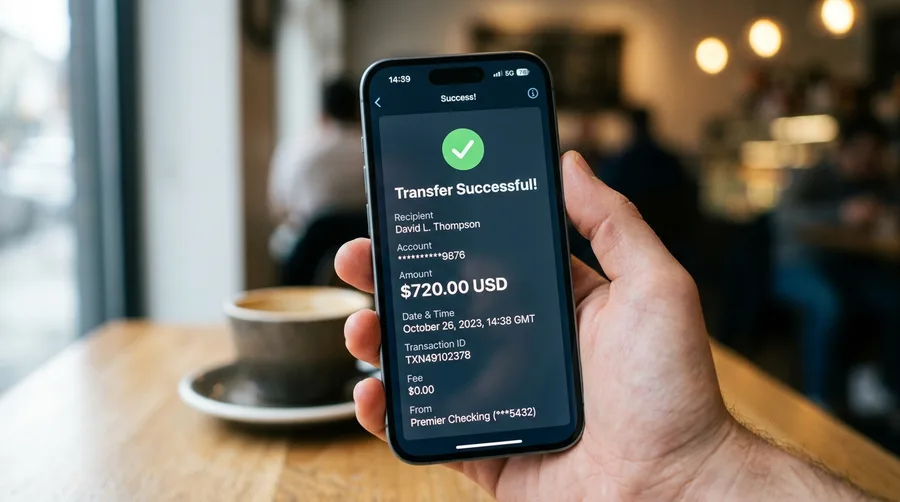
It is completely normal to worry that automating your savings will leave you short for groceries or unexpected bills, especially when you are working hard for every extra dollar. You do not have to lock away your entire paycheck to make progress, and you can always adjust the amount down the road if your monthly expenses shift unexpectedly.
End-of-month saving leaves whatever money survived your weekly spending, which usually amounts to zero because our daily habits naturally expand to fill the available balance before we even notice it happening.
Payday saving completely bypasses that trap by locking away your extra hustle money before your brain gets a chance to spend it on convenience items, securing $50 to $200 right away without relying on daily willpower.
This takes about four minutes to configure in your mobile banking app and protects your weekend efforts permanently so you never have to think about moving the cash manually again.
Open your bank app right now, create a separate savings folder, and schedule the transfer for the exact morning your paycheck clears.
Frequently Asked Questions
Does working overtime put me in a higher tax bracket for all my earnings?
No. Only the specific dollars that cross the bracket threshold face the higher tax rate, not your entire paycheck.
Why does my overtime check look smaller than expected?
Payroll software often annualizes single high-earning paychecks, causing temporary over-withholding that you usually get back at tax time.
Should I work weekend shifts or focus on cutting expenses?
It depends on your current income level and energy, but combining a modest shift cap with automated savings usually yields the best balance.
How can I stop my extra earnings from disappearing?
Set up an automatic transfer on payday morning to route your hustle money into a separate account before you can spend it.
When should I consult a tax professional?
Speak with a CPA or fee-only fiduciary whenever your income streams become complex or you notice persistent withholding errors.
Start With One Shift Review
You do not need to overhaul your entire work schedule by Friday afternoon to see results.
Pull your latest paystub, check your actual net hourly take-home rate, and protect your weekends from here on out.