

You sit at the kitchen table staring at an unexpected auto repair bill, watching your bank balance drop into the red while your stomach tightens into a hard knot.
Most advice tells you to stash savings anywhere and call it a day, ignoring the structural trap that turns a simple two-thousand-dollar crisis into a nine-thousand-dollar debt mountain.
It is completely fixable once you understand how accessibility and separation change your financial behavior.
This guide walks you through the exact steps to build a real cushion that survives real life.
Quick Tips Before You Start
Separate Banks
Keep your emergency savings at a completely different institution than your daily checking.
Automate $50
Set a weekly transfer of fifty dollars so saving happens before you can spend.
No Cards
Do not link your emergency account to a debit card or checkbook.
1. Reviewing Your Account Architecture

People assume that as long as money sits in a bank somewhere, the job is done.
That belief creates a blind spot.
When your savings live in the exact same app as your checking account, convenience wins every single time you want to order takeout or buy new shoes.
You raid the cushion for non-emergencies because it sits right there on your screen, looking like available cash.
your brain treats visible money as spendable money, and zero-friction access destroys discipline faster than any budget can build it.
The fix is structural separation.
Move your cash to a separate account at a completely different institution where incoming or outgoing transfers take three business days to clear.
That three-day friction is not a bug in the banking system; it is a feature designed to stop impulsive choices.
I learned this the hard way after watching $1,200 leak out of my savings over four months for things that were definitely not emergencies.
This week, check your architecture and separate the money from your daily spending app.
⚠️ COMMON MISTAKE
Mixing Bills and Savings
Leaving emergency money in your primary checking account guarantees it will get spent on routine grocery runs.
2. Establishing the Three-Bucket Cash Flow

Split every paycheck into three distinct buckets the very morning it lands in your account.
Bucket one covers fixed bills like rent and utilities, bucket two handles your debt minimums, and bucket three holds whatever is left for flexible weekly spending. This stops you from accidentally spending money earmarked for survival.
It takes about ten minutes to set up in your bank app, and it completely removes the guesswork from paying your bills on time.
Three Buckets — The Numbers Behind It
🏠 Bucket 1 target
One month of fixed bills, held one paycheck ahead
💳 Bucket 2 timing
Automated exactly two days after payday
🛒 Bucket 3 rule
Withdrawn weekly in physical or digital cash, not daily
Skip this if
Your income lands more than twice a month — use a weekly split instead.
3. Accepting the Trade-Off of Low Yields

Over twelve months, a 3 percent inflation rate quietly nibbles at cash sitting in a standard account.
That shrinkage is the actual cost of keeping your emergency fund entirely safe from market drops. You are willingly trading higher potential returns for absolute liquidity so a broken alternator or an unexpected medical bill never forces you onto a credit card at twenty percent interest.
I hated seeing those tiny monthly interest payouts at first, but guaranteed safety has a valid price tag. Log into your account this week and accept the trade-off for what it buys you.
Emergency Fund Realities
4. Acting Before the Next Crisis Hits

Waiting for a crisis to start saving for it means you are always paying retail price for your emergencies.
According to the Federal Reserve Survey of Household Economics and Decision-Making, roughly six in ten US adults could cover a $400 emergency expense with cash, while about thirteen percent could not cover it at all.
That gap represents the exact moment a minor car repair or an unexpected medical bill turns into high-interest credit card debt that lingers for years.
When you wait until the engine light flickers before looking at your balance, you are guaranteeing you will borrow at the average credit card APR of around twenty percent.
Start this month while your income is steady and your tires still have tread, because building a cushion in the quiet weeks is the only way to keep a bad Tuesday from becoming a two-year obligation.
📈 Emergency Fund Roadmap
Open Account
Set up a separate high-yield savings account at a new bank.
First $500
Save a small starter buffer to stop minor cash flow surprises.
One Month
Build toward a full month of essential living expenses.
5. Consulting a Professional When Debt Overwhelms

There is zero shame in admitting that a standard monthly budget cannot fix a mountain of unsecured debt that keeps growing every single month.
When your unsecured credit card and personal loan payments exceed half of your total take home pay, standard budgeting tips stop working entirely.
That is the exact threshold where math completely overpowers willpower.
At that stage, standard budgeting advice is like trying to bail out a sinking cruise ship with a tiny plastic beach bucket.
Run your own hard numbers against your current monthly income right now to see where you actually stand.
If more than fifty cents of every dollar you earn goes straight to past balances before you buy a single head of lettuce, look for a certified nonprofit credit counselor.
They help restructure payments, freeze runaway interest rates, and guide you through the process without a single drop of judgment.
💡 PRO TIP
Seek Certified Guidance
A nonprofit credit counselor provides objective feedback on debt consolidation options.
6. Scaling Back Without Quitting Entirely
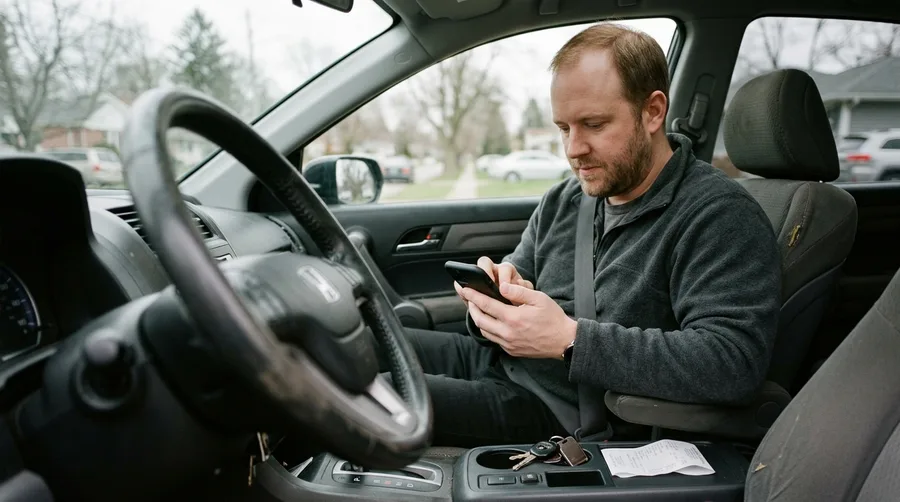
I used to cancel every single transfer the moment my car insurance went up or grocery prices spiked, feeling like it was all or nothing. It is a terrible trap.
When cash gets tight, scale your automated transfers down to ten dollars instead of stopping completely. Consistency matters more than the specific dollar amount because keeping the habit alive prevents the total collapse of the system.
Log into your bank app today and drop the automatic transfer to $10 instead of zero.
Scaling Strategy
7. Starting Small With Twenty-Five Dollars

Most people stall right out of the gate because they are paralyzed by the unspoken rule that an emergency fund requires ten thousand dollars on day one.
It does not.
Looking at a massive target when your checking account barely clears the monthly rent just makes you close the tab and give up before you even begin.
Even twenty-five dollars a month, moved automatically into a separate account, starts building the actual psychological habit of saving. Here is the mechanism at play: automation removes willpower from the equation entirely so you never have to make a painful daily choice to keep the cash. When funds move before you see them land, your daily spending naturally adjusts to fit what remains.
I started with thirty dollars a paycheck back when my own bank balance felt permanently fragile and terrifying. Watching that tiny, unglamorous balance slowly climb over the first few months fundamentally changed how I viewed my daily options. It proved to me that small movements still accumulate over time.
The first five hundred dollars alone covers the vast majority of minor, annoying emergencies that actually happen to real people. You do not need a fully funded six-month safety net today to protect yourself.
Consistency beats massive intentions every single time.
This week, open one separate account at a different institution and schedule your first small transfer to land there automatically. The exact amount matters far less than the simple fact that the account exists.
Small Start Sequence
8. Automating Your Weekly Transfers

Why do we always wait until the very end of the month to see what is left over?
End-of-month saving means you are only ever saving whatever miraculously survived, which for most of us is literally zero. Payday saving flips that entirely by securing the amount before the month gets a single vote, removing willpower from a system that was never built to rely on it.
Spend four minutes in your banking app today and schedule a $25 weekly transfer for the exact morning your paycheck lands. Set it up once, and let it quietly do the heavy lifting while you focus on everything else.
9. Rebuilding After Using the Cushion

Watching an emergency fund drop back down to zero after years of slow saving feels heavy and frustrating, like all that discipline was for nothing.
It is easy to look at an empty balance and feel like you failed at managing your money.
That is entirely the wrong way to look at it, because the money did exactly what it was designed to do when life got complicated.
I drained my own cushion twice for unexpected car repairs and steep medical bills, and both times the shame made it hard to even look at my bank app.
It was not failing; it was keeping me out of high-interest debt.
The mechanism here is simple cash-flow defense: spending saved cash prevents a twenty percent credit card balance from snowballing into a multi-year crisis.
Rebuilding took me six months of strict focus, which meant cutting restaurant dining down to zero and redirecting $250 a month straight back into a separate account.
That restriction was annoying, but it finally taught me where my money actually leaked during a normal month.
Your next action is to take a breath, accept that spending the fund is part of the process, and set up a modest automatic transfer of $25 this Friday to start the climb back up.
10. Overcoming the Scarcity Mindset

Do you catch yourself saying that you simply earn too little to ever build a real cushion?
Sound familiar? Scarcity thinking keeps your focus entirely on what you lack rather than what you can control, locking you into a loop where every dollar feels spoken for before it even arrives in your account.
The mechanism behind this trap is purely psychological exhaustion, because when you believe the math is hopeless, trying to save $20 feels pointless against bills that swallow your entire paycheck.
What I believe now is that tracking small habits beats waiting for a massive income jump.
Take fifteen minutes this week to look at your recurring subscriptions and cancel two of them.
11. Building Your First Emergency Fund

It is completely understandable if building a cash cushion feels like climbing a vertical wall when your paycheck is already stretched thin.
Most people skip this step because it looks like the least urgent task on a plate full of loud, immediate bills.
It is actually the single most important task.
without a cushion, every unexpected life surprise instantly morphs into high-interest debt.
Your car needs a seven hundred dollar fix, so it goes on a credit card charging twenty-four percent interest, and suddenly you are paying for a broken alternator for two years.
The fund is not really about the money sitting in a ledger; it is about stopping one bad Tuesday from turning into a multi-year financial obligation.
Start by aiming for one month of bare expenses, which for many households falls somewhere between two thousand and thirty-five hundred dollars.
Get to that baseline first, and only then start pushing toward a three-month cushion.
If one month sounds utterly impossible right now, let it go and aim for five hundred dollars instead.
That smaller target covers the vast majority of actual emergencies that happen to normal people, from medical co-pays to urgent appliance failures.
I rebuilt my own cushion twice after wiping it out on dental bills, and the second time I finally learned to keep it in a completely separate bank so I would not accidentally spend it.
The trade-off is real because cash sitting in savings is not paying down high-interest debt, but do it anyway.
This week, open one separate online account and move a small chunk of money into it.
12. Avoiding Common Emergency Fund Traps
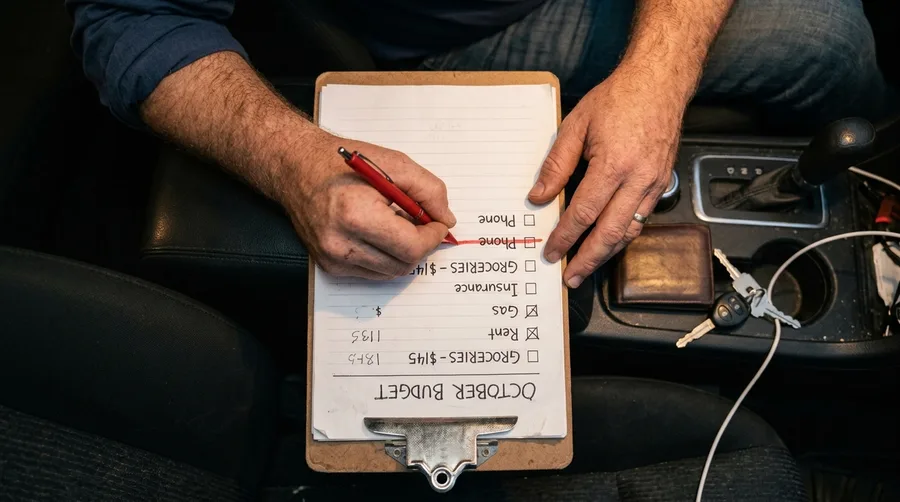
Stop treating your annual car insurance bill or holiday gift spending like an unexpected emergency.
We all fall into this trap because seeing a couple thousand dollars sitting in a savings account is awfully tempting when December rolls around or a $600 insurance renewal hits. Raiding the cushion for predictable costs leaves you completely unprotected when the transmission actually drops in January, turning a routine life expense into a genuine crisis.
The mechanical fix is establishing a separate sub-savings bucket specifically for predictable annual expenses, funding it with an automatic transfer of $50 or $75 every single month so those known costs never touch your true emergency money again.
It takes a little extra mental patience to manage two distinct buckets instead of one, but separating predictable life costs from actual emergencies stops the exhausting cycle of constantly draining and rebuilding the exact same balance.
This week, open a secondary savings folder in your banking app, name it strictly for annual bills, and route your very next transfer toward it.
13. Setting Up Automatic Savings Rules

$20 a week sounds almost completely pointless when you are staring down a mountain of debt or an entirely empty savings account.
Willpower is a terrible financial strategy because it always runs out by Thursday afternoon when you are tired, stressed, and just want to order takeout. Setting up a recurring transfer inside your banking app takes the daily decision out of your hands entirely, shifting the burden from your mood to the software.
Schedule twenty dollars to move from your main checking account into a separate savings account every single Friday morning without checking your balance first.
Over twelve months, that quiet and invisible routine stacks up to more than $1,000 without ever feeling like a sudden sacrifice or a punishing budget cut.
I put off doing this for years because I thought I needed to save massive chunks at once, but the tiny automated push is what finally made it stick. Open your banking app right now, find the recurring transfer settings, and lock it in before you close this tab.
14. Recognizing Time Sensitivity

People think waiting six months to save for an emergency fund costs nothing.
That delay exposes you to unexpected car repairs and forces you to rely on credit cards carrying an average annual percentage rate around 20% to 21% as tracked by the Federal Reserve.
Compound growth works the exact same way in reverse when you delay starting.
If you put $150 a month into a high-yield savings account earning roughly 4% interest, waiting a year means missing out on hundreds of dollars in free cash over the long term.
Open that separate account today instead of waiting for a better month.
15. Giving Yourself Permission to Pause

You do not need to fund your emergency account and pay off all debt at maximum speed simultaneously.
Trying to hit both targets at once usually means doing neither well while burning through whatever energy you have left after a standard forty-hour workweek.
Pick one priority for this quarter, let the other rest at a minimum contribution of $50 a month, and breathe.
This quarter, choose one focus and leave the rest alone.
Frequently Asked Questions
How much should I have in my emergency fund?
Start with a $500 starter buffer, then build toward one month of essential expenses, and eventually expand to three to six months depending on your job stability.
Should I pay off debt or save first?
Build a small $500 emergency buffer first so minor repairs do not add new credit card debt, then attack high-interest debt aggressively.
Where should I keep my emergency fund?
Keep it in a high-yield savings account at a completely different bank than your primary checking account to prevent accidental spending.
Is it okay to pause my savings for a month?
Yes, life happens and cash gets tight. Scale your transfer down to a tiny amount rather than stopping completely so you keep the habit alive.
Your Next Step
If you take one move from this list today, open a separate savings account at a different bank and set an automatic transfer for twenty-five dollars.
You do not have to fix your entire financial life by Friday, but you can start right now.