

The sticker price is the real price. That belief is what makes a $32,400 window sticker, a $1,899 mattress tag and a $289 rack rate feel like facts instead of opening offers.
They are not. The same item, coverage or prescription shows up at a lower number the moment the buyer changes the question: $30,200 agreed on that SUV, $1,199 for matching mattress specs, $199 for the same hotel room booked direct with free cancellation.
This is ten purchases where that gap exists, each with the exact counter-move, where to look, and what a prepared buyer pays instead. Pick the one closest to being made and get a competing written quote for the identical thing before you pay. The first number is a draft, and you are allowed to edit it.
Quick Tips Before You Start
Get it in writing
A verbal discount disappears; a written quote with the item and price is leverage.
Compare the total
Out-the-door, not the monthly payment, is the number that matters on any financed purchase.
Ask about timing
Holiday weekends and model-year changes move prices without any negotiation.
Photograph the tag
Specs, model numbers and prices on the tag make phone comparisons honest.
Be ready to walk
The strongest move is a full price from a competitor and the willingness to use it.
1. New Cars, Priced From the Invoice

The move on a new car is to get two written out-the-door totals from two dealers and let the lower one do the arguing.
That sticker on the mid-size SUV you are standing next to says $32,400, and it is a manufacturer's asking figure, not a fact about the car. Dealer discount plus factory cash brings the same vehicle to $30,200 before anyone talks about your trade or your financing. The window sticker is the first draft of the price, and the dealer knows it better than you do.
out-the-door. That is the total with tax, title, registration and doc fees added in, and it is the only figure two dealers can be compared on. Ask each one to email you that line in writing, on the exact same trim and options, before you set foot in a showroom for the second conversation.
Do this before trade-in or financing enters the room. The moment a monthly payment appears on a worksheet, the conversation stops being about the price of a car and starts being about a payment you can stomach. Settle the out-the-door number first, in writing, and only then discuss what your old car is worth and who is lending you the money.
When you sit down with the finance office, an add-on package will be offered, usually with real conviction. Decline it.
The same protection has a $0 version when it is not bundled into the paperwork at signing, and the bundle exists to raise the total after you have already agreed to it. Ask what each line costs on its own and watch how fast the enthusiasm for the package cools.
You do not have to do all of this. If the car purchase is weeks away and the energy is not there, the smallest version still works: send one email to one dealer asking for the out-the-door total in writing, and send the same email to a second. Two replies, one comparison. That alone puts you ahead of the buyer who negotiates in the showroom on a Saturday.
There is a limit worth knowing. If the model you want has a waitlist and the lot cannot keep it in stock, the dealer has no reason to move, and the sticker stands as the number. In that case the honest move is to pick a trim that is sitting on the lot, or to wait.
💡 Tip: Ask for the out-the-door price in writing before you mention a trade-in or financing.
| Item | Full price | Price to aim for | Where the discount comes from |
|---|---|---|---|
| New car (mid-size SUV) | $32,400 | $30,200 | Dealer discount plus factory cash, add-on package declined |
| Car insurance (annual) | $1,680 | $1,240 | Identical-coverage quotes from three carriers |
| Mattress (queen) | $1,899 | $1,199 | Same coil count and foam density at a warehouse club |
| Sofa | $2,400 | $1,440 | Floor model, or $1,290 at the outlet |
| Hotel (per night) | $289 | $199 | Direct loyalty rate with free cancellation |
| Airfare (round trip) | $420 | $310 | Fare alert six to eight weeks ahead |
| Eyeglasses / contacts | $340 / $89 a box | $95 / $62 | Same prescription filled online |
| Prescription (90-day) | $120 cash | $35 coupon, $18 generic | Discount coupon and the generic equivalent |
| Gym membership | $79 a month | $49 a month annual | Joining fee waived, annual rate |
| Ring | $2,000 | $1,340 | Stone and setting priced separately at an independent jeweler |
2. Car Insurance, Re-Shopped Before It Renews
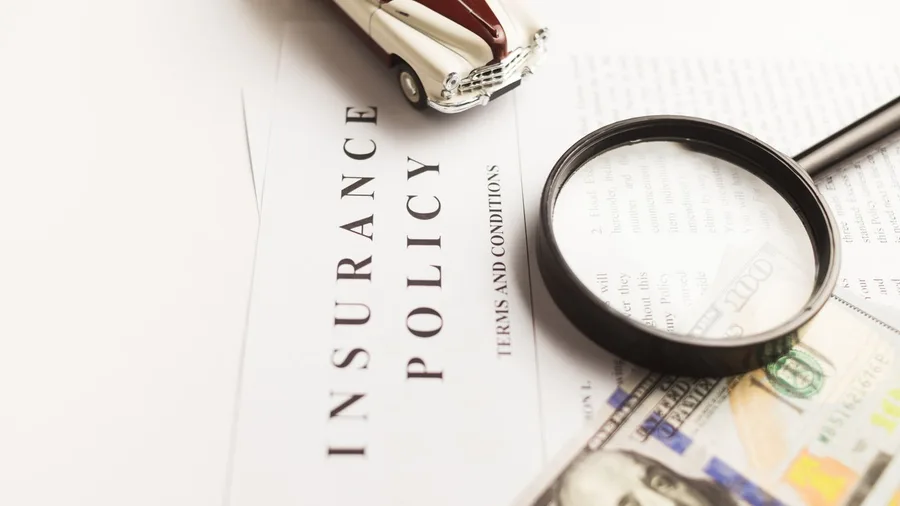
You are probably not being punished for staying loyal. Insurance renewals are simply priced for the customer who never looks, and looking once costs an afternoon.
A car deal comes down to a written out-the-door number, and this bill works the same way: identical coverage, quoted in writing, from more than one place. A 35-year-old with a clean record paying $1,680 a year can find the same coverage quoted at $1,240 after re-shopping. Same driver, same limits, same deductible, $440 a year less, and the only thing that changed was asking.
The structure to copy is a small one. Write your current deductible and limits on a single page, request a quote at those exact figures from three carriers, and put the three numbers side by side. Identical coverage is what makes it a real comparison instead of a cheaper-looking one. Separately, price your home and auto together against two standalone policies, because the bundle is not automatically the cheaper route.
The timing is where people lose the savings. Get your quotes in the two or three weeks before the renewal date, not after the old policy has already auto-charged your account, because unwinding a charge is a phone call you do not want to make.
Then put it on a calendar: re-quote every two years. Your test is one sentence – a written quote for identical coverage that beats the renewal.
3. Mattresses, Matched by Model Number

Because the chain orders its own model names, so you cannot pull out a phone and price-match what you are lying on.
The specs are what travel. Coil count, foam density and height are the same numbers everywhere the bed is sold, even when the names are not. A $1,899 sticker at a national chain against $1,199 at a warehouse club for the same coil count and foam density, with another $150 off in a holiday sale, is not a different mattress – it is a different label on the same one.
At the next holiday sale, do this review: write the three figures down from the bed you tried in person, take the 'today only' price as the standing price it usually is, and check those numbers against the club before you buy.
💡 Tip: Try the bed in person, then buy the matching spec wherever it is cheapest.
💡 PRO TIP
The identical-item quote is the whole game
Ask for the quote in writing with the model, spec or prescription on it. A cheaper price for a different item is not a discount, it is a different purchase.
4. Furniture, Bought Off the Floor
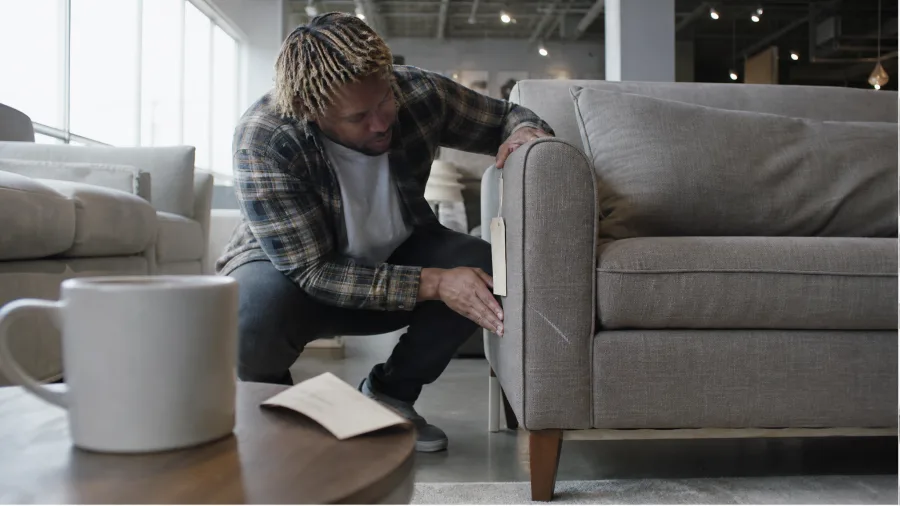
I once stood in a showroom running a hand along the arm of a $2,400 sofa, and the salesperson said the only number they had was the one on the ticket. A sofa does not sell like a new car. It sells like a loaf of bread that has been sitting on the shelf for a while, and the store is watching the days tick by.
The frame, the cushions, the joinery: all identical whether it is still wrapped in the back room or already out on the floor with a hundred people having sat on it. That floor model is the same sofa a third off, and an outlet carrying last season's fabric will sell it for $1,290, so ask for the scratch-and-dent list and get the delivery fee quoted before you sign anything. A custom fabric made to order is built for you alone, so expect the least room to move there; check the frame for cracks and wobbles before delivery, because the discount buys the condition, not a repaired structure.
5. Hotel Rooms, Booked Direct and Matched

Call the front desk before you touch the booking site, because the room you are about to reserve through a travel app has a second price sitting behind the hotel's own phone line. A $289 rack rate is not the rate the front desk quotes when you ask for it; it is the number left standing for the guest who booked once and never checked again. The direct rate came back at $199 for the same night, same room, still fully refundable if plans change.
Ask for the direct rate, then ask whether the hotel will match the price you found on the booking site. Ask both questions in the same call, because the person at the desk can answer both and the answer changes by midweek. The trick is to add every fee to both numbers before you decide anything.
A resort or destination fee of $30 or $40 a night can sit on the direct rate and the booking-site rate in different amounts, so the cheaper-looking nightly figure stops being cheaper once the fee goes on top. Put the two totals side by side, fee included, and the comparison is honest. There is one situation where this whole exercise is unnecessary: if you are staying on points or a corporate rate that already beats both numbers, book it and stop calling.
$199 against $289 is a hundred and eighty dollars saved across two nights, for one phone call and one written confirmation. That is the whole move.
💡 Tip: Skip the rate match when points or a corporate rate already beats both prices.
Rate-Match Sequence for a Hotel Room
6. Airline Seats, Bought on a Fare Alert

There is a specific hope that keeps people watching a fare for weeks: that if they just check one more morning, the number will drop. It usually doesn't, and the watching itself becomes the cost.
Round trip at $420 booked six weeks out against $310 caught on a fare alert is the same seat on the same plane. The fare is set by when and how you search, so the move is to stop hunting a single date and set a fare alert six to eight weeks ahead with a flexible-date calendar open. The alert does the checking; you go live your week.
Brand loyalty loses on a domestic trip when the fare is the object, and that is fine to admit.
Then do the honest math. A $310 fare plus a $60 checked bag is $370, still under $420, but add a carry-on fee and a seat assignment and the gap narrows to coffee money. Basic economy gives up seat choice and changes, so name that trade out loud before you call the cheap fare cheaper. The total, not the headline, is the comparison.
💡 Tip: Use the flexible-date calendar, not a single date, when you set the alert.
Booking Direct vs. Booking Through a Site
Book Direct
- Loyalty rate at $199 a night
- Free cancellation often included
- Price match against the booking site
- Front desk can adjust the room
Book Through a Site
- Rack rate at $289 a night
- Resort fee added at checkout
- Cancellation terms vary by rate
- Points post only to that site
7. Eyeglasses, Filled From the Prescription

The common belief is that the eye exam locks you into the store's frame case. It doesn't. Your prescription is yours, and in most states the optician has to hand it over when you ask, so the $340 pair at the mall counter and the $95 pair online are made from the exact same piece of paper.
ask for the prescription in writing, and ask for pupillary distance too. Pupillary distance is the gap between your pupils in millimeters, it's the one number an online lens cutter can't guess, and some offices leave it off the printout unless you say the words. Get it on the sheet or in an email before you walk to the car.
Contacts run the same way. A box quoted at $89 at the counter goes for around $62 online for the same brand and the same power, and the yearly supply is where that gap multiplies. Order one box first, not a year's worth, so you find out how the seller and the shipping treat you.
Fit is the quiet risk of buying lenses you never tried on. Measure a pair that already fits you well, frame width and temple length, and hold the online seller to those numbers; then read the return policy before you order, because a policy you haven't read is not a return policy.
The identical-prescription test decides it: send the online seller exactly what the store quoted, and put the two written prices side by side. Same prescription, same coatings, same index of lens, one number lower than the other. Then the frame in the case is a choice, not the only place the paper works.
Prescription Eyewear — Price Check at a Glance
👓 Mall optician glasses
$340
💻 Online glasses
$95
📦 Mall contacts per box
$89
📦 Online contacts per box
$62
📏 Number to request
Pupillary distance
The test
Send the identical prescription to the online seller and compare that quote, not a different frame.
8. Prescription Drugs, Priced at the Cash Counter
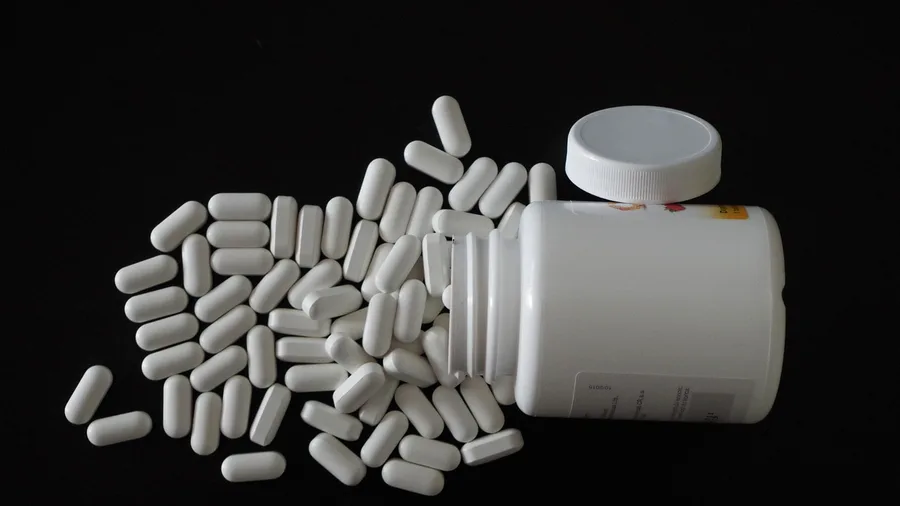
A 90-day supply of one prescription can ring up at $120 at one counter, $35 with a discount coupon, and $18 for the generic version of the same drug. Three prices, one bottle, one set of pills.
That gap is not a mistake or a sale. It is how pharmacy pricing works: the billed price, the coupon price and the cash price are tracks that don't have to match each other, and the counter only runs the one you hand it. A prescription, like an eyeglass prescription, travels with you, so the pharmacy down the road can quote the same drug from scratch.
The move is two questions, asked in this order. Ask for the cash price, the number you'd pay with no insurance card at all, and ask for the generic name of what you've been prescribed. Then hold that cash price next to the insurance price on the same bottle before you agree to either.
Supply size is the next dial. Ask whether a 90-day fill costs less per month than refilling every 30 days, because the per-fill dispensing charge is the same either way, and on a monthly medication that difference stacks up over a year.
Now the honest trade-off. Asking for cash means two trips' worth of phone calls, and it can mean handing over a card at a counter where you expected insurance to just cover it. Coupons and cash prices can also shift, so the number that was $35 in March may not be $35 in September, and the comparison has to be run again rather than remembered.
There is a trap in the coupon itself, too. A discount card can beat your insurance at the retail counter, which tempts you to stop there, but the plan's own mail-order price often lands lower than the coupon and counts toward your deductible. Check the mail-order quote before you call the coupon the winner.
And the coupons don't always apply. Some medications, some controlled substances and some plans' rules take the discount card off the table, and a coupon can't be combined with insurance on the same fill. For anything taken long-term or priced at four figures before insurance, the plan's own numbers and your doctor's office are the place to check, because a pharmacist can quote a price but can't tell you what your specific plan will cover next year.
The lowest written price for the same drug, same dose, same count wins. Ask for it in writing, compare it to the insurance version, and let the cheaper of the two fill the bottle.
💡 Tip: Ask for both the cash price and the generic name before you hand over the insurance card.
One Purchase a Day, One Week to Test the Rule
9. Gym Memberships, Without the Joining Fee

Ask for the joining fee to be waived and for a trial week before you sign anything. That is the whole move, and it is best run in person at the front desk rather than online, where the fee shows up as a line item you accept without ever hearing it named.
The numbers are worth knowing so the ask has a target. A month-to-month rate can sit at $79, while the annual rate drops to $49 a month, and the $99 joining fee is often dropped for the asking, because a signed year is worth more to the gym than the fee. Both the fee and the month-to-month rate are terms, not law, and the manager at the desk usually has room on them.
Before you sign, get the cancellation terms and notice period on the contract itself, not just from the person telling you about them. And if a move or a change of heart within the year is plausible, take the month-to-month rate: the annual price only saves money if you actually use the year.
🏋️ The Gym Deal, Step by Step
Price both rates first
Ask for the annual rate and the month-to-month rate side by side before you mention the fee. You need the gap to know what the waiver is worth.
Then ask for the fee
Once you have the yearly number, ask for the $99 to come off it. A manager with a signed year on the desk usually has room.
Do the break-even math
At $49 versus $79, the annual plan saves $360 over twelve months. If you cancel at month five, you are behind, not ahead.
Get the exit terms in writing
Ask what the notice period is and whether cancelling early costs anything. If it isn't on the contract, it isn't the deal.
10. Jewelry, Priced at an Independent Jeweler
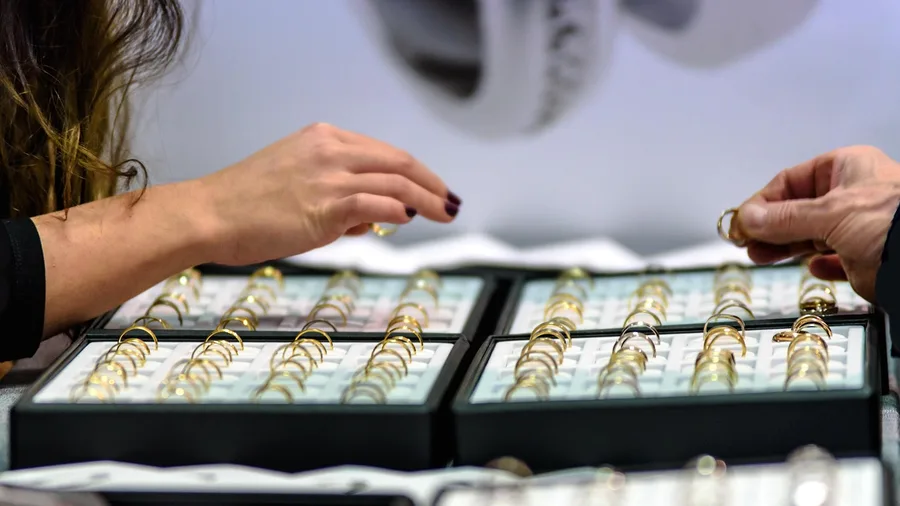
The myth is that a jewelry case price is a fact set in metal. It isn't. A mall chain can hang a $2,000 tag on a ring and leave it there, the sale sign never coming down, while the independent down the street sizes up the same stone and setting at $1,340 and still has room to move. I watched a jeweler separate the two on a notepad: stone, then setting, each with its own figure, because only one of them was actually flexible.
That's the counter-move. Ask for the stone and the setting priced apart, so you can see which part breathes. Ask to see the certification and compare like grades, not like carats.
Then weigh the chain's generous return policy against the independent's lower number before you pick. Same stone, same setting, two written figures. That comparison is the whole test.
Frequently Asked Questions
How do I know the cheaper price is for the identical item?
Put the model number, spec or prescription on the written quote. If the cheaper number is for a different coil count, deductible or stone grade, it is a different purchase, not a discount.
Is it worth negotiating on a car if I am financing?
Yes, but settle the vehicle price before financing and trade-in enter the conversation. A dealer who knows you are financing can make the discount back on the loan, so keep the two separate.
How often should I re-shop my car insurance?
Every two years, and always before the renewal date. The renewal quote is priced for the buyer who never checks it, and an identical-coverage quote from three carriers is the only fair comparison.
Can I really get prescription drugs cheaper without insurance?
Often, yes. Ask for the cash price and the generic name, then compare a 90-day supply against a 30-day fill and check the plan's mail-order price. The lowest written price for the same drug is the one to take.
What if I only have time to do one thing this week?
Pick the purchase you are closest to making. If a car is next, get one out-the-door quote. If a refill is next, ask for the cash price and the generic. One written quote is enough to start.
One Written Quote Covers All Ten
One rule covers all ten: never accept the first number, and get a competing quote in writing for the identical item, coverage or prescription.
The $32,400 window sticker, the $1,899 mattress tag and the $289 rack rate are first drafts, not prices. They hold up until someone asks a different question, and then they don't.
So act on whichever purchase is nearest to checkout. A car means two written out-the-door quotes. A mattress means the three specs written down and priced at the warehouse club. A trip means a fare alert started six to eight weeks out, then a direct call to the hotel. Glasses or contacts means the prescription sent to the online seller in writing.
The prepared buyer is not aggressive. Just comparative. Identical item, written quote, and the first number loses.
Get one quote in writing this week
Pick the purchase you are closest to making and request one identical-item quote before you agree to anything. That single email or phone call is the whole move.