

You look at your spreadsheet, all the numbers line up, and you think you have finally won the month. Then your car needs a $700 brake job, or annual insurance renewal hits your inbox, and the entire system collapses.
It is not because you are bad with money. It is because most budgets only track the predictable bills while ignoring the irregular expenses that show up like clockwork.
Here is the truth: a budget that only counts monthly rent and groceries is just an optimistic guess. Let us fix that together, starting with the categories everyone leaves out.
Quick Tips Before You Start
Look Back 12 Months
Review last year's bank statements to catch annual surprises.
Use Sinking Funds
Put away a small amount every single paycheck for future bills.
Start Small
Pick just three forgotten categories to fund this month.
1. Annual Subscription Renewals

$120 hits your checking account out of nowhere because you completely forgot about that annual software license or premium streaming renewal.
These yearly charges slip past unnoticed because standard monthly budgeting hides them in plain sight. When an unexpected annual fee drops unexpectedly, it instantly drains your cash cushion and forces you to scramble.
The fix is a straightforward mathematical habit rather than a massive lifestyle change. Take your total yearly subscription costs, divide that number by twelve, and automatically move that exact slice into a separate savings bucket every single month so the money is already waiting when the bill arrives.
If you have scattered charges everywhere and cannot remember what you actually use, take an afternoon to review your last twelve months of bank statements line by line to catch every single draft. If those recurring fees feel too tangled to untangle by yourself, consider sitting down with a fee-only fiduciary to help you sort through your true fixed costs.
Stop letting hidden calendar reminders run your monthly paycheck.
💡 Tip: Cancel unused renewals the day you spot them, not later.
Annual Expense Quick Stats
2. Routine Car Maintenance

It feels deeply annoying to lock up cash for a car part that is not broken yet. We all want to pretend our vehicles will run forever on basic oil changes alone without demanding a sudden $800 set of tires.
The trade-off is giving up spending money today so you do not have to put a necessary brake job on a credit card next month. Setting aside $50 every pay period into a dedicated fund slows down your flexible cash right now, but it stops a routine repair from wrecking your budget.
This week, open a separate sub-account in your banking app and route a tiny automatic transfer to it.
💡 Tip: Set aside $50 every month strictly for vehicle upkeep.
⚠️ COMMON MISTAKE
Treating Repairs as Surprises
Car tires wearing out is an expected depreciation event, not a sudden emergency. Budget for them ahead of time.
3. Pet Healthcare and Vet Bills

You look at your sleeping dog or cat and feel a tight knot in your chest just wondering if you could afford it if they suddenly got sick this afternoon.
That specific panic is entirely normal, because pet care costs have a way of sneaking up on you with zero warning.
When a cat develops a urinary blockage or a dog eats a rogue piece of fabric off the living room rug, the baseline emergency clinic visit easily clears $500 before anyone even runs bloodwork.
If comprehensive pet insurance premiums feel like too much of a stretch for your monthly cash flow right now, give yourself permission to skip the corporate policy entirely and scale down to a simpler approach.
Instead, open a separate high-yield savings account dedicated strictly to animal care and set an initial target to quietly accumulate $1,000 inside it over the next six months.
This week, automate a tiny transfer of just $25 from every paycheck straight into that fund so you stop relying on crossed fingers and credit cards when your furry companion needs help.
Pet Care Fund — Quick-Fit Tags
4. Home Repair and Maintenance
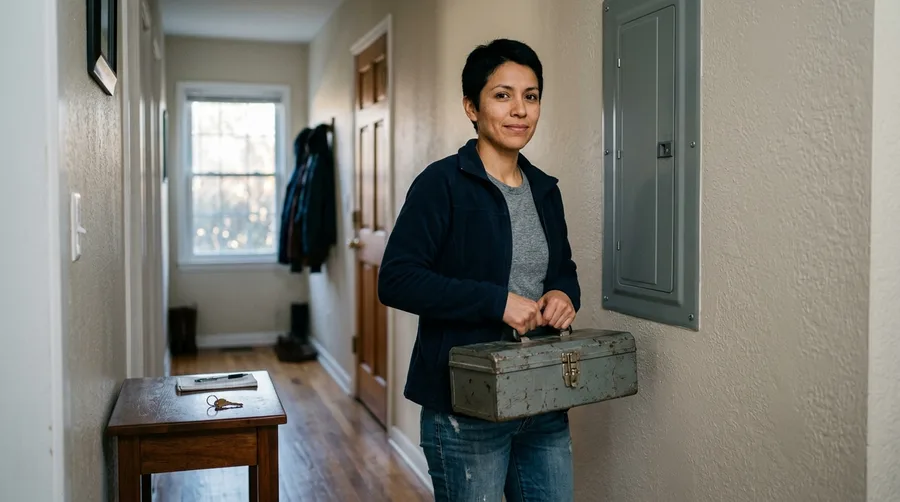
Put away 1 percent of your home value annually before an emergency forces your hand.
Roof leaks, broken water heaters, and failing HVAC units never schedule themselves around your checking account. When your furnace dies in January, you either pay cash or put $2,500 on a card at 22 percent interest, turning a routine fix into a stressful multi-year debt trap.
Calculate 1 percent of your property value today, divide it by twelve, and schedule a monthly transfer into a separate repair account right now.
Budgeting Approaches Compared
Old Way
- Tracking only monthly bills
- Treating car repairs as emergencies
- Relying entirely on daily willpower
- Zero funds for annual renewals
Sinking Fund Way
- Accounting for yearly expenses
- Building regular maintenance buffers
- Automating savings on payday
- Zero surprise credit card debt
5. Gifts and Holiday Spending

Why do December holidays and unexpected wedding invitations always feel like an ambush when they happen on a strict calendar schedule?
Birthdays, graduations, and winter celebrations arrive every single year without fail, yet most households scramble and pull out credit cards because they treat predictable events like sudden emergencies.
The mechanism here is straightforward cash flow smoothing, which stops you from financing a cousin is wedding or a niece is birthday at a 21% annual percentage rate.
If you spent $600 total across the entire year on every single gift, holiday, and celebration combined, the actual math requires putting aside $50 every month into a designated savings holding.
That $50 monthly figure turns a chaotic December financial panic into a quiet, deliberate non-event where the cash is already waiting in your account before you even pick out a card.
I used to put every holiday season on plastic and spend half of the following spring paying it off while feeling guilty about buying people presents.
Review your personal calendar every single January to map out every upcoming wedding, baby shower, and milestone so your money stays protected before the invitations ever land in your mailbox.
This week: open a separate sub-account in your banking app, name it gifts, and transfer your first $25 or $50 installment right now to get ahead of the curve.
Jargon Decoder
6. Personal Care and Grooming

I spent three years pretending that a haircut every six weeks and basic skincare products were surprise expenses that just happened to show up out of nowhere.
Haircuts, skincare items, dental cleanings, and prescription refills are regular upkeep costs that routinely get dumped into miscellaneous spending until your account hits zero.
Name these items in your baseline budget and assign $75 a month to them so they stop eating your grocery money.
This week, check your bank history to find what you actually spent on personal upkeep last month.
💡 PRO TIP
Separate Miscellaneous Spending
Never let miscellaneous be more than 5 percent of your total budget. If it is, your categories are too vague.
7. Clothing and Seasonal Wardrobe

People assume wardrobe costs are just random surprises that cannot be planned for until the weather actually shifts. That belief is why a sudden drop in temperature leaves you scrambling to buy a heavy coat out of a single tight paycheck.
Weather shifts do not sneak up on a calendar.
I used to treat every winter jacket or pair of summer sandals as an emergency, which meant putting them on a credit card charging around 21% interest because my normal monthly cash flow could not absorb a sudden bill. It feels ridiculous to pay interest on a sweater three months after you stop wearing it, but that is what happens when you treat predictable seasonal needs like a crisis.
The fix is not finding cheaper clothes or vowing to wear your worn-out boots another year.
The real fix is decoupling clothing purchases from the exact month you actually need to wear the item by spreading the cost across the whole year. Set up an automatic transfer of $30 or $40 a month into a separate sub-savings account dedicated entirely to seasonal clothing and work attire replacements.
By the time November rolls around and you genuinely need that heavy jacket, you will have several hundred dollars sitting quietly in that account, ready to spend without touching your grocery money or rent.
Automating this takes willpower completely out of the equation.
Open your banking app today, name a separate sub-account clothing, and schedule the first monthly transfer to land on your next payday so you never finance a jacket again.
Forgotten Expenses Breakdown
Where unallocated money typically vanishes
8. Medical Copays and Pharmacy

Set up a dedicated health buffer of $50 a month for routine prescriptions and unexpected doctor visits. Even with good coverage, specialist copays, allergy meds, and urgent care dashes tend to ambush your normal cash flow. Without a small buffer, these routine surprises force you to pull from grocery or rent money.
Treat this like a mini-envelope system by keeping $300 untouched in your checking account specifically for pharmacy runs. When you use a portion for a copay, rebuild it back to the target on your next payday. This simple loop stops health expenses from becoming a crisis.
9. Professional and Tech Fees

12 dollars here for cloud storage and 150 dollars there for a yearly professional association due can easily ambush your checking account if you only budget for the monthly grocery run.
Most digital tools and career licenses bill on an annual cycle rather than a monthly one, which turns routine software renewals into unexpected cash crunches when they all land in the same quarter.
Even setting aside 25 dollars a month automatically builds a dedicated buffer that keeps your essential work platforms and certifications running smoothly without straining your weekly groceries.
Consistency matters far more than the starting amount when you are building these auxiliary career funds from scratch.
This week, check your bank statements for the last twelve months, total up your yearly software and membership renewals, and divide that number by twelve to find your exact monthly target.
10. The Mental Cost of Rigid Tracking

I spent six months logging every single $3 transaction into a color-coded spreadsheet until looking at my phone felt like opening a tax audit.
You might feel like strict tracking is the only way forward, but rigid perfection leads straight to burnout and quitting.
Sound familiar?
Let go of the urge to track every single penny of gum or coffee.
What I believe now: a budget should give you clarity and choices, not make you feel punished for buying lunch.
This week: delete the app that requires manual receipt entry and give yourself a $50 miscellaneous cash buffer that requires zero logging.
11. Emergency Travel and Family Visits

Getting that sudden text message or phone call about a family emergency or a last-minute wedding invitation can make your stomach drop.
You immediately start calculating your bank balance while trying to figure out how you can possibly afford a plane ticket that costs three times more than usual.
It is an overwhelming feeling, but it does not mean you have failed at managing your money.
The underlying mechanism here is about separating your crisis money from your everyday cash flow so a sudden trip never feels like a financial catastrophe.
When you rely on your regular checking account for unexpected travel, you end up robbing your grocery money or putting the fare on a credit card with a twenty percent interest rate.
You can solve this by building a dedicated travel buffer of five hundred dollars kept entirely separate from your main emergency fund.
This specific amount covers most domestic round-trip flights and a night in a hotel if you have to move quickly.
Open a separate sub-account for transit reserves this week and fund it with whatever spare cash you can comfortably move over.
Setting aside even twenty-five dollars a paycheck builds that buffer faster than you think.
This removes the heavy guilt of spending money on sudden travel because those funds were explicitly waiting for that exact moment.
12. Parking Tolls and Transit Fees

It drives you slightly crazy when a routine trip costs twelve dollars more than you planned just because you had to park.
You budget precisely for the monthly train pass or the gas tank, but you completely forget about parking meters, airport tolls, and late-night rideshare spikes.
The mechanism here is death by a thousand cuts. These micro-expenses bypass your attention because they are small, but they pull directly from the same pool of money meant for groceries and bills.
I used to pull up to a garage, see eighteen dollars for two hours, and feel that quiet stomach drop knowing it just ate into dinner money.
Add a small thirty-dollar buffer specifically for transit friction every single month so unexpected parking charges stop draining your cash flow.
This week, look at your last bank statement and tag every stray toll or meter fee so you know your true baseline.
13. The Three Bucket Cash Flow System

Most people assume you need a complex forty-tab spreadsheet to finally get a handle on where your money goes every month.
You do not need that level of exhaustion to see progress.
Copy this instead: split your income into three basic buckets as soon as it lands.
Bucket one covers fixed bills like rent and utilities, bucket two handles minimum debt payments, and bucket three takes care of everything else.
Keep them in separate accounts so you never accidentally spend your rent money on groceries.
Set up automatic transfers for the first two buckets on payday morning, and leave whatever is left in the third bucket for weekly spending.
If you fall short, let bucket three absorb the hit while your essentials stay protected.
This simple system takes about twenty minutes to build in your banking app today.
Frequently Asked Questions
How much should I set aside for forgotten budget categories?
A good starting target is about 10 percent of your take-home pay dedicated to irregular sinking funds like car maintenance, gifts, and annual renewals.
Should I pay off debt or build sinking funds first?
Build a small $500 starter buffer first to stop new debt, then tackle high-interest balances while funding essential car and home repairs.
Where should I keep my sinking fund money?
Keep your sinking funds in a separate high-yield savings account linked to your primary bank so the cash remains accessible yet out of sight.
How often should I review these forgotten categories?
Check your sinking funds every three months or during tax season to make sure your monthly transfer amounts still match your actual spending.
What if I cannot afford to fund all thirteen categories right now?
Pick just two critical ones, like car maintenance and annual subscriptions, and add more categories as your cash flow grows over time.
Start With This One
You do not need to fix all thirteen categories by Friday. Pick just one forgotten expense that bit you hardest last year, and set up a small automatic transfer for it today.
Your future self will thank you for making the month predictable.