

You look at your bank account on a Tuesday and realize the cushion is entirely gone.
It is a heavy, familiar feeling that usually leads to scrolling through endless remote job boards that never reply.
Instead of hunting for distant gigs, look at your actual neighborhood. People around you are overwhelmed, busy, and willing to hand over cash for basic capabilities you take completely for granted.
You do not need an advanced certificate or a massive startup fund to begin bringing in extra money this weekend.
Quick Tips Before You Start
Start Locally
Post your offers in neighborhood apps or community bulletin boards first.
Keep Pricing Clear
Charge flat rates for small tasks rather than confusing hourly fees.
Ask for Referrals
Your very first client is your best marketing tool for the next three.
1. Basic Garage and Attic Organization
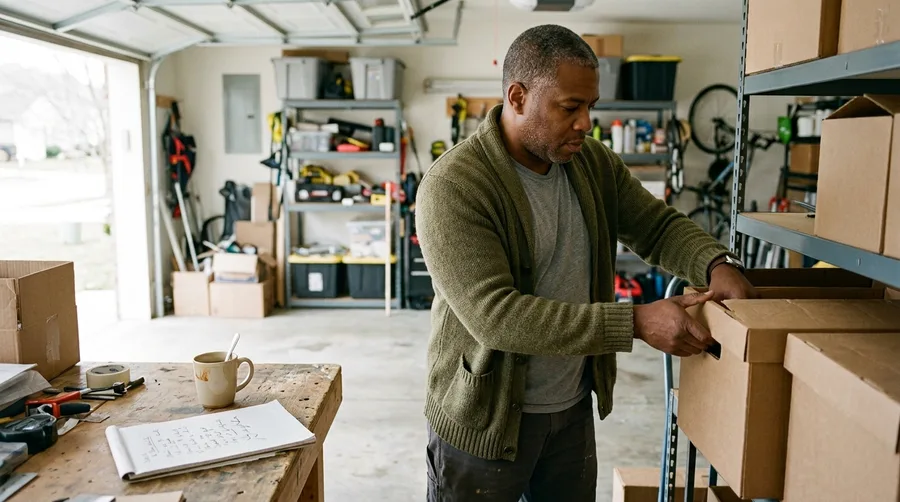
I spent my first weekend helping a neighbor sort twenty years of mystery boxes because she felt too paralyzed to open them alone.
That single afternoon brought in $150 and reminded me of something crucial about local service work: physical clutter creates profound mental paralysis for busy families. When you stare at a packed garage every morning, it stops being storage and starts feeling like a running list of chores you are failing to finish.
People will gladly pay someone else to care.
Here is the mechanism, and it is entirely about emotional friction rather than physical ability. Homeowners get stuck because every old box holds a decision they do not want to make. You provide the objective third-party energy to sort things swiftly into keep, donate, and trash piles without any emotional attachment weighing down the process.
Start by offering a single two-hour afternoon session for $60 to prove your speed and reliability before you ever think about scaling up your pricing or buying fancy equipment. Most people just need a gentle nudge and a second pair of hands to break the cycle of avoidance.
The trade-off is real and you should expect it. This job is dusty, it requires lifting heavy plastic totes, and your lower back will let you know about it by dinner time. But unlike waiting for a client invoice to clear, you walk away with cash or a digital transfer the exact minute the trunk is loaded.
It is honest work that trades sweat for immediate financial breathing room.
This week, text one person you know who has a chaotic storage space and offer to tackle the worst corner. You do not need a business license or a truck to begin; you just need a pair of work gloves and the willingness to help someone clear their physical space.
💡 Tip: Bring your own heavy-duty contractor trash bags and sharpies.
💡 PRO TIP
Set Clear Boundaries Early
Always establish a firm end time for organizing sessions so clients do not expect open-ended labor for a flat fee.
2. Pet Sitting and Midday Dog Walking
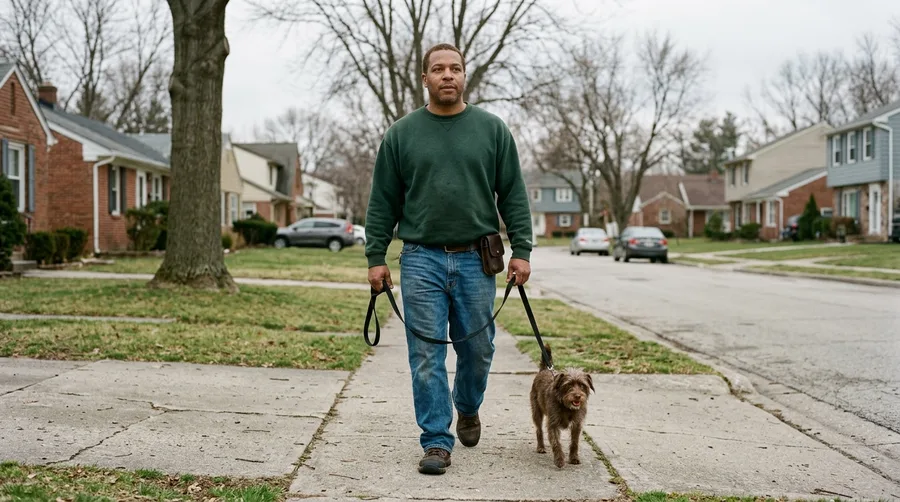
How do you know if your routine allows for an extra pair of paws during the workday? Look at your current daily schedule right now and find that one open window between your morning tasks and afternoon commitments.
Most people assume pet care requires professional veterinary training, but owners simply want someone reliable who will show up on time and send simple photo updates. Building that basic trust is what turns a one-off favor into a steady weekly arrangement that fits your life.
A typical thirty-minute midday walk in suburban areas commands $20 to $25 per household. That income adds up surprisingly fast when you stack just two or three consistent clients during hours you would otherwise spend resting or commuting.
Track your availability monthly and hard-cap your client list at three dogs to protect your own schedule from getting completely overwhelmed. If you find yourself rushing or stressing about the commute and time blocks, scale back immediately before you burn out.
This week, open your calendar and write down your exact free windows.
Side Hustle Strategy Comparison
Do This
- Charge flat rates for defined tasks
- Confirm details in writing before starting
- Build relationships with repeat clients
Avoid This
- Accepting open-ended hourly work without caps
- Undercharging out of neighborhood guilt
- Ignoring basic scheduling safety rules
3. Routine Yard Maintenance and Edging
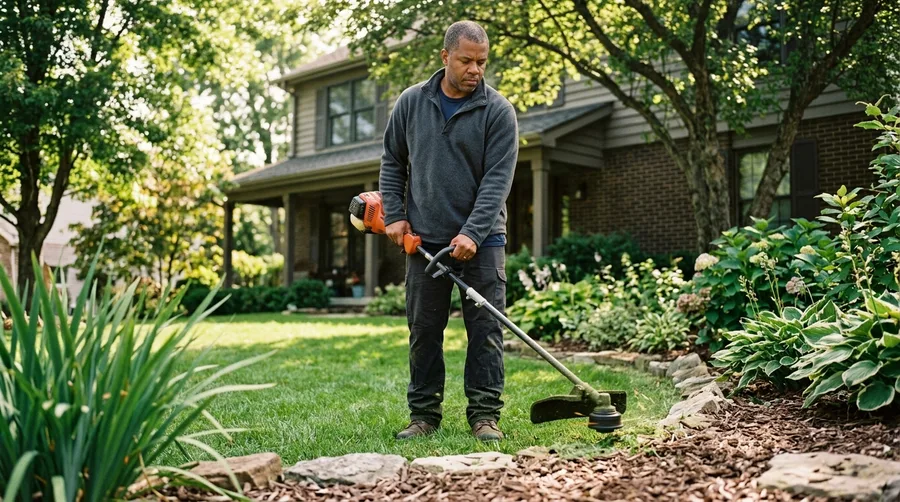
You stare out at the overgrown yard and feel that sinking sense of being completely behind.
Summer grass grows faster than anyone expects, and local landscaping crews charge steep minimum monthly retainers that scare people off. When a lawn hits knee-high, homeowners panic and will gladly pay $75 or more for an emergency weekend clearout. Acting right now captures that urgent window before anyone else knocks on their door.
Grab your basic mower and text two nearby homeowners today with a fair, upfront price.
4. You Are Not Too Busy to Clean
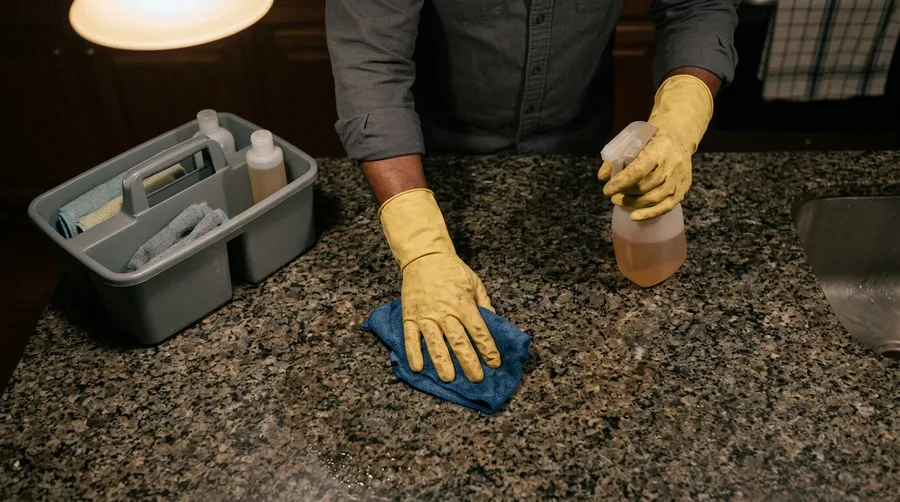
You might believe professional cleaning requires expensive industrial machinery and harsh commercial chemicals.
That specific fear stops you from picking up reliable cash right down the street. Homeowners happily pay $30 an hour for someone to tackle baseboards, refrigerator interiors, and ceiling fans that they have ignored for months. Your basic household supplies and an eye for detail are completely enough to do the job well.
New belief: you do not need a commercial crew to start earning. Send one text to a local contact today asking if they need a hand with deep cleaning.
5. Basic Furniture Assembly and Minor Repairs

Around 70 percent of flat-pack furniture boxes sit unopened in spare rooms for weeks because the tiny screws and confusing manuals cause instant headaches.
People are not lazy; they are simply exhausted by the mental friction of matching letter A to slot B after a long work week. That exact frustration is your open door to earn extra cash locally without needing a specialized trade or expensive tools.
Take charge of this friction point by offering flat-rate assembly for bookshelves, desks, and bed frames in your immediate neighborhood. Charge $40 per standard piece, and you can easily clear $120 in a single Saturday morning before lunch.
If a full weekend of heavy lifting feels like too much right now, give yourself permission to scale it down and only take on one small bookshelf a week. You do not have to say yes to every complicated wardrobe or king-sized bed frame right out of the gate.
This week, post a simple, honest note in your local neighborhood group letting folks know you have a wrench set and an afternoon to spare.
6. The Trade-Off of Physical Labor
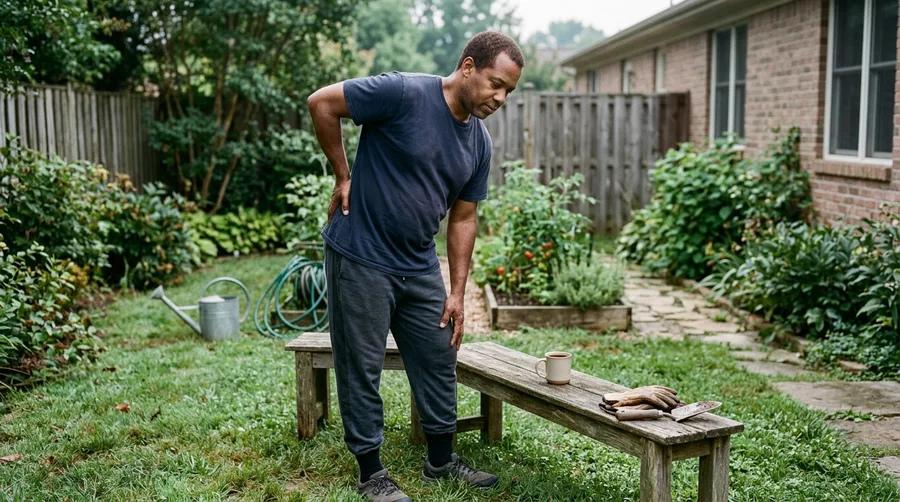
Swapping physical effort for fast cash feels great until your lower back starts protesting on Sunday night.
The trade-off is real: you trade immediate income for physical tiredness, which means pacing yourself is non-negotiable. If you burn out during your first month of yard work, the extra $150 you made will not feel worth it.
Limit yourself to two physical gigs per week when you first begin so your body has time to adjust to the strain.
7. Automate Your Client Inquiries and Scheduling

Set up a dedicated booking text line and reply template on your phone this afternoon.
Manual back-and-forth messaging kills potential gigs faster than high pricing ever will.
When someone reaches out about your yard work or pet sitting, waiting twelve hours to reply means they have already called the next person on the list. Speed is the entire game in local service work.
The mechanism is simple friction reduction: every extra decision point gives a potential client a chance to talk themselves out of hiring you. If you remove the ping-pong game of scheduling, you capture the cash.
Takes about five minutes to draft your response templates and save them in your notes app. Do it now and you never scramble for words when messages arrive.
I lost at least three weekend jobs last summer just because I was in the middle of a task and forgot to text back until dark. Setting up a standard text block changed my conversion rate almost overnight.
When a neighbor asks for availability, send your open slots instantly without hesitating.
8. Even $25 Errand Runs Add Up
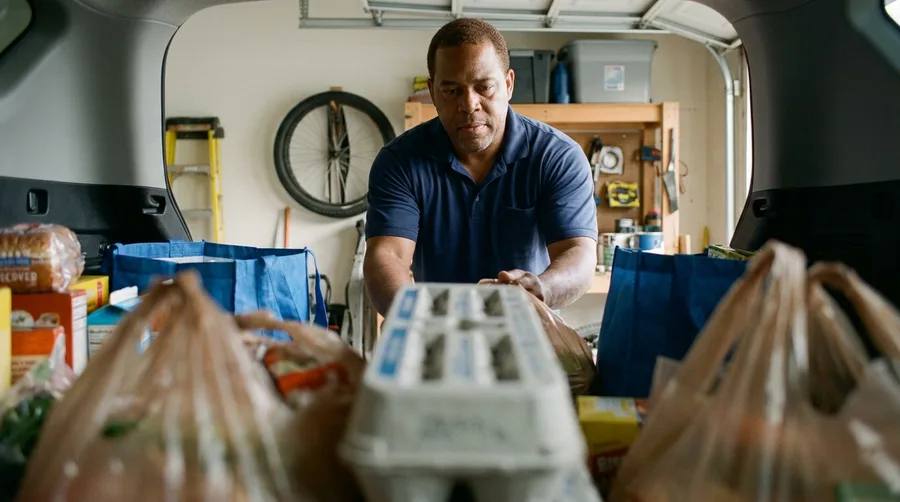
People assume side income has to be massive to actually matter in a real budget.
That belief keeps a lot of people from starting anything at all because an extra five hundred dollars a week feels completely out of reach when your schedule is already packed.
Even twenty-five dollar grocery pickup runs, done twice a week for an elderly neighbor who cannot easily get out, put an extra two hundred dollars a month right back in your pocket.
The mechanism here is pure consistency and cash flow timing rather than complex business scaling. Small local tasks build up real financial breathing room without requiring massive time commitments that burn you out before the weekend even arrives.
I used to think twenty bucks was barely worth the gas until I realized it completely covered our weekly utility bill without touching my regular paycheck. This week, text one person in your neighborhood and let them know you are available for quick errand runs.
9. The Three-Tier Pricing System

Stop guessing what to charge and set up a simple three-tier menu right now.
People get overwhelmed by endless options and simply walk away without booking. Give them three clear choices-basic, standard, and premium-so they can make a decision in under ten seconds.
My own booking rate doubled the week I simplified my rates into $50, $150, and $300 packages, because clarity builds immediate trust. Write down your services today, divide them into three distinct price points with clear deliverables, and list them directly on your page.
10. Common Pricing Mistakes to Avoid

Starting at $15 an hour when local competitors charge $35 feels safer when you are worried nobody will book you.
Undercharging out of guilt or fear of rejection is the absolute fastest way to burn out on local side work before your second weekend.
The mechanism here is simple psychology and cash flow timing: clients often equate very low prices with low quality or unreliable service, which actually attracts the most demanding customers while paying you far too little to cover your own basic expenses or equipment wear and tear.
Charge standard local rates from day one so clients respect your time and your energy remains sustainable over the long haul.
This week, check three comparable local listings in your neighborhood, pick a fair middle-ground rate matching their baseline, and stick to it without apologizing.
11. Local Tech Support for Seniors

People think helping older neighbors with technology requires a computer science degree or professional certification.
That is completely false when families just need someone patient enough to reconnect a dropped Wi-Fi signal or pair a new television remote without using confusing jargon.
Charge a flat $50 for a standard visit in your immediate neighborhood to handle printer setups, password resets, and device troubleshooting.
Most appointments take under an hour, turning a frustrating household headache into easy local cash while building genuine trust down your street.
12. When to Check Local Regulations

Do you actually need a business license for local yard work or tech help in your neighborhood? Most cities do not care when you make $50 helping a neighbor, but local rules change the moment casual side work turns into steady income.
The threshold catches people by surprise because municipal codes vary wildly by zip code. A city hall website usually lists local rules, and checking the small business guidance page costs nothing.
Check your city hall website once you cross $1,000 in monthly local earnings. That is the typical marker where towns start looking at commercial activity in residential zones.
Keep your records clean from day one by logging every cash and digital payment in a simple spreadsheet. Keeping track protects you if local rules require a permit down the road.
Talk to a local accountant if your side work scales into a full-time venture. Professional guidance prevents tax penalties when your side hustle outgrows hobby status.
🚀 Your First Week of Local Gigs
Pick One Skill
Choose the single task you can execute best by this weekend.
Draft the Offer
Write down a simple, flat-rate price for your local services.
Post Locally
Share your availability in one trusted community group.
Frequently Asked Questions
How much should I charge for basic local services?
Start with flat rates between $30 and $50 per task depending on how long the work takes, ensuring it covers your time and supplies.
Do I need a business license right away?
Most local municipalities allow small casual side tasks when starting out, but always check your city rules once earnings increase.
Where should I advertise my skills locally?
Neighborhood apps, community boards, and word-of-mouth referrals from your very first client work best.
What if a task takes longer than expected?
Stick to your quoted flat rate for the first job as a learning experience, then adjust your pricing structure for future clients.
Your First Step Forward
Pick one skill from this list and post your offer to a single local group today.
You do not need to master all twelve areas to start building immediate financial breathing room right where you live.