

I drained thousands of dollars from my emergency fund during my first year navigating Medicare because I assumed Parts A and B mirrored my old employer policy; you do not have to repeat that mistake.
Most workers spend decades with corporate plans that quietly bundle physicals, cleanings, and exams, only to find federal law treats routine sensory care and personal daily upkeep as uncovered individual duties.
When a basic dental crown, a pair of hearing aids, or an overseas emergency crops up, every single dollar comes straight out of your private nest egg.
Auditing these eleven blind spots right now lets you earmark real cash reserves and buy targeted protection before you ever leave the workforce.
| Excluded Item or Service | Estimated Out-of-Pocket Cost | Primary Coverage Strategy |
|---|---|---|
| Routine Dental & Dentures | $1,000–$2,500 per crown; $1,500–$4,000 dentures | Standalone dental policy or cash reserve |
| Hearing Aids & Fittings | $1,500–$5,000 per pair | Over-the-counter devices or dedicated savings |
| Eyeglasses & Refractions | $200–$600 per exam and pair | Retail vision discount plans or out-of-pocket |
| Routine Podiatry Hygiene | $60–$150 per specialist visit | Community foot clinics or personal cash |
| Custodial Nursing Home Care | $8,000–$9,500 monthly for semi-private room | Long-term care insurance or asset spend-down |
| Adult Incontinence Supplies | $80–$200 monthly in retail supplies | State Medicaid grants or household budget line |
| Home Accessibility Ramps | $2,000–$10,000 equipment and labor | VA housing grants, assistive loans, or equity |
| Primary Weight-Loss GLP-1s | $900–$1,350 monthly retail | Post-65 employer coverage or manufacturer programs |
| Alternative Therapies & Massage | $75–$140 per session | Direct cash self-pay or localized wellness plans |
| Comprehensive Physical Panels | $150–$400 in unbundled lab work | Precise billing coordination for Wellness Visits |
| Medical Care Outside the US | 100% of foreign hospital charges | Travel insurance ($100–$350) or specific Medigap plans |
Everyday Sensory and Preventive Gaps
Everyday maintenance keeps you functional, but statutory rules treat teeth, eyes, ears, and feet as non-medical luxury items.
Social Security Act rules draw an arbitrary line separating the body into medical zones and lifestyle zones, pushing routine upkeep squarely onto your personal balance sheet.
1. Routine Dental Care and Dentures Require Separate Coverage
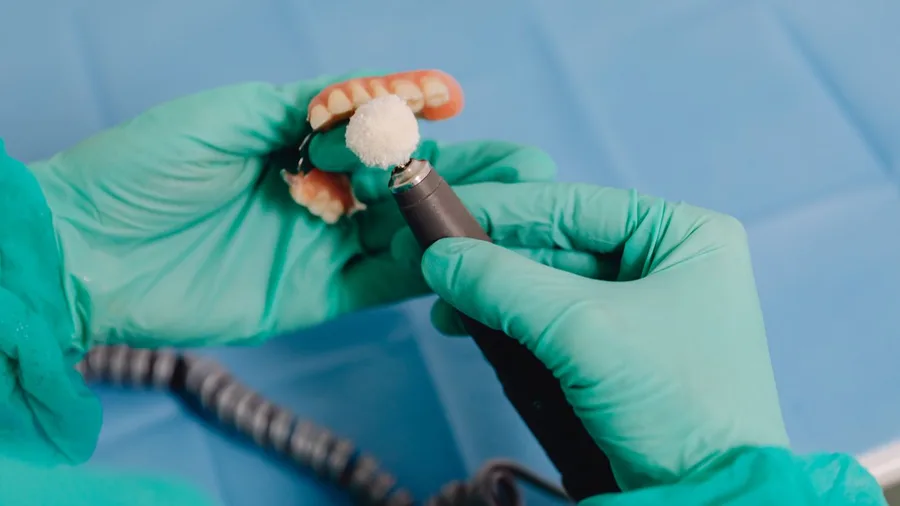
Most folks assume turning 65 means regular dental cleanings simply migrate over to their red, white, and blue card. In federal reality, Section 1862(a)(12) of the Social Security Act draws an unyielding line that blocks Parts A and B from paying for checkups, plaque removal, pulled teeth, or replacement hardware.
That statutory brick wall creates substantial personal bills. A single dental crown runs $1,000 to $2,500, while complete upper and lower dentures average $1,500 to $4,000 out of pocket. Hospital oral surgery gets covered under one rare circumstance: clearing severe mouth bacteria before an urgent kidney transplant or heart valve procedure.
Talk to your dentist or a licensed benefits specialist to price standalone dental plans against a dedicated cash reserve.
💡 Tip: Medicare only funds oral surgery under narrow hospital exceptions, such as clearing infections directly before heart valve replacements.
Quick Tips Before You Start
Check the Billing Code
Ask your doctor if tests fit the Annual Wellness Visit before blood is drawn.
Separate Your Health Cash
Park routine dental and vision money in a dedicated high-yield savings account.
Verify Medigap Foreign Travel
Confirm whether your supplemental plan includes the standard $50,000 lifetime emergency travel rider.
Audit Past Receipts
Review last year's vision, dental, and pharmacy receipts to size your annual cash gap.
2. Hearing Aids and Fitting Exams Fall Entirely On You
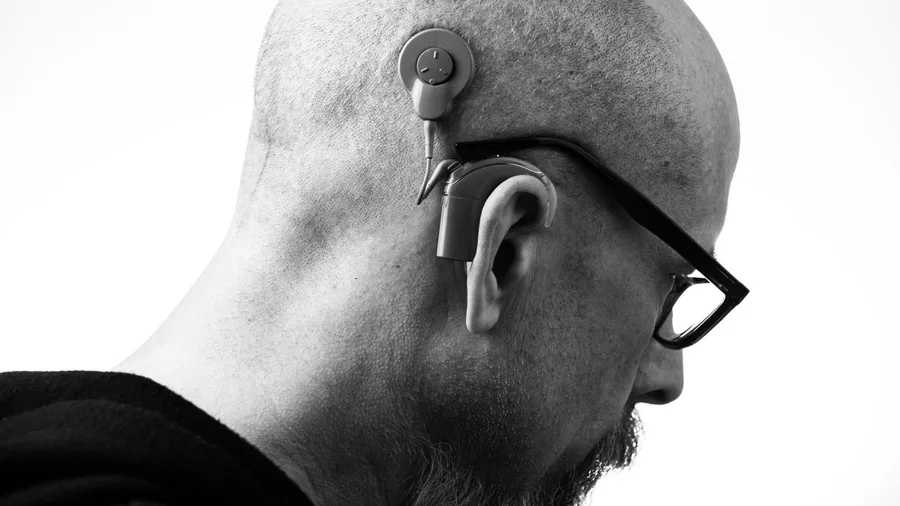
Federal lawmakers drew that very boundary across our sensory health. Traditional Medicare completely shuts out standard auditory exams, custom device adjustments, and the physical earpieces themselves.
The program covers an audiology visit only when an attending medical doctor writes formal orders investigating sudden ear trauma or acute balance problems. For ordinary aging ears, you stand entirely on your own.
That leaves you facing considerable retail bills. A standard pair of prescription hearing aids ranges from $1,500 to $5,000 out-of-pocket, with fitting fees billed separately by audiology practices.
Here is the honest trade-off to weigh.
Over-the-counter hearing aids now sell directly on store shelves for mild to moderate hearing loss, saving thousands of dollars without requiring expensive medical appointments. The downside is obvious: you handle every calibration, ear tip fitting, and troubleshooting problem by yourself without an audiologist guiding the setup.
Paying those professional clinic fees is undeniably painful, but restoring conversation with your family remains worth every penny.
Ranking the Real Costs of Sensory Upkeep
3. Prescription Eyeglasses and Refraction Exams Are Excluded

Finding out your vision coverage vanished can feel alarming, but you do not need to panic. The exact same coverage exclusions that leave hearing aids unfunded apply directly to your glasses, contact lenses, and yearly vision checks under Medicare Part B.
I was stunned when a standard refraction test and basic reading lenses produced an immediate $240 retail bill right at the counter. Annual routine eye exams, refractive vision testing for prescription updates, and eyeglass frames receive zero Medicare Part B reimbursement, which strictly limits coverage to medical eye diseases like glaucoma, diabetic retinopathy, and macular degeneration.
Federal regulations permit one solitary exception to this rule: Part B covers one standard pair of corrective glasses or contact lenses immediately following cataract surgery with an intraocular lens.
Routine eye upkeep stays entirely your responsibility.
Standard vision maintenance for everyday lens upgrades and frame replacements requires self-funding through retail vision discount riders, standalone plans, or out-of-pocket cash set aside in your monthly budget.
Medicare Travel Shield — At a Glance
💵 Policy Cost
$100–$350 per trip
🏥 Evacuation Limit
$50,000–$250,000
🛡️ Medigap Plans
C, D, F, G, M, N
⏱️ Window
First 60 days abroad
Coverage Reality
Original Medicare provides 0% reimbursement for routine or emergency medical treatment received abroad.
4. Routine Toenail Trimming and Corn Care Are Not Covered
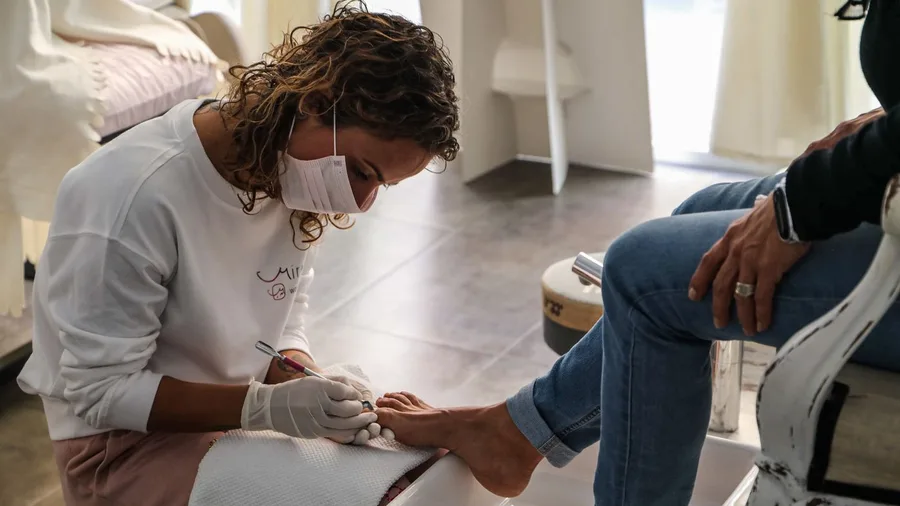
Medicare covers diagnosed medical diseases, not personal physical upkeep. It is easy to assume that because clipping thick toenails becomes physically difficult as you age, the appointment counts as legitimate healthcare.
Federal rules draw the opposite line. Part B explicitly denies reimbursement for routine foot maintenance, including nail trimming, corn removal, callus scraping, and soothing foot-soak hygiene. Just as glasses are excluded because Medicare treats vision checks as maintenance, the program categorizes ordinary foot care as basic personal grooming rather than essential clinical medicine.
The sole coverage exception demands clear systemic medical danger.
Routine podiatric clipping only transforms into a covered service when complicated diabetes or severe peripheral neuropathy creates an acute risk of infection or amputation. Without documented metabolic nerve damage in your chart, booking a podiatrist for basic nail trimming leaves you paying full private specialist rates of $60 to $150 entirely out-of-pocket.
Reframe this care as an ordinary monthly expense and schedule appointments with community foot clinics, where licensed nurses provide standard toenail trimming for $25 to $40 without billing inflated specialist rates.
💡 Tip: Schedule nail trims at local community senior clinics where registered nurses provide low-cost preventative foot hygiene.
Long-Term Care and Personal Support
Catastrophic financial drain in retirement rarely comes from prescription copays; it comes from long-term custodial support.
Medicare protects you from the costs of recovering from an illness, but provides no safety net when you simply need daily help living your life.
5. Custodial Long-Term Care in Nursing Homes Is Excluded

Build an independent financing plan for custodial nursing care before retirement.
While routine foot visits create minor bills, custodial housing creates catastrophic debt. Part A covers up to 100 days of skilled therapy after a hospital stay, but zero days of ongoing living. Even with a doctor's note, daily help with bathing, eating, or dressing is non-covered personal care, leaving Medicare and Medigap paying nothing toward the $8,000 to $9,500 monthly national average.
Cover this exposure before age 65 by securing private long-term care insurance, building an earmarked investment portfolio, or structuring a compliant asset spend-down plan toward Medicaid eligibility.
6. Adult Incontinence Supplies Receive No Medicare Reimbursement

I watched my family stare at a pharmacy receipt after my dad came home from the hospital, convinced the clerk had simply made a billing error on the pull-on briefs.
Just like the long-term custodial facilities that Medicare declines to fund, the daily consumable supplies required to manage physical decline at home receive zero federal assistance. Federal regulators draw a rigid statutory line between clinical equipment and personal hygiene. Under these rules, disposable briefs, protective pads, and mattress underpads do not count as Durable Medical Equipment, which means neither Part B nor Part D pays a dime.
A neurologist prescription changes nothing.
Even when chronic bladder weakness stems from severe post-stroke recovery or advanced neurological conditions, you face the register alone. Purchasing daily tabbed briefs, disposable liners, and bed pads adds up to a recurring cash outlay between $80 and $200 every month. That recurring drain begins the exact week hospital discharge papers are signed, quietly eating away at fixed household income before families realize the expense is permanent.
Getting your budget ahead of that monthly outflow immediately protects your cash cushion from rapid depletion. If household reserves are depleted, your realistic financial relief is limited strictly to means-tested state Medicaid programs or local area agency on aging community supply grants.
7. Home Accessibility Modifications Like Ramps Are Not Covered
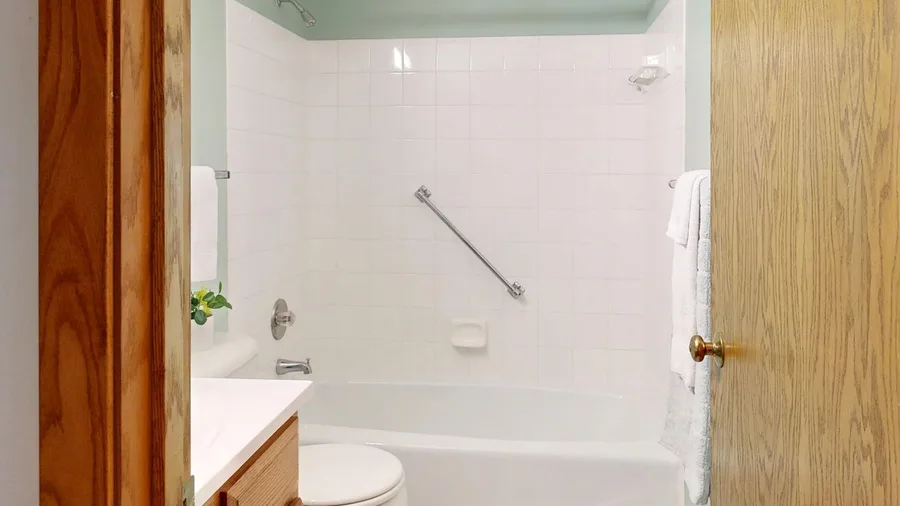
Realizing a beloved home suddenly feels like an obstacle course can be quietly frightening. When daily mobility changes inside your living space, the natural impulse is to assume that doctor-ordered adaptations fall under standard medical coverage.
The hard reality is that Medicare Durable Medical Equipment rules draw a firm line at permanent physical fixtures, renovations, and architectural adjustments. A physician writing a script certifying a stairlift as medically required to prevent falls will not override this statutory wall. Building a standard wheelchair ramp or installing a motorized stairlift runs between $2,000 to $10,000 in private contractor charges, with walk-in bathtubs landing in that same steep bracket.
Set aside an afternoon this month to audit your living spaces. Pull three concrete quotes, then review whether you can tap Department of Veterans Affairs housing grants, state assistive technology loan funds, reverse mortgages, or designated cash reserves.
💡 Tip: Explore Department of Veterans Affairs housing grants or local state assistive technology loan funds for non-Medicare modification aid.
Medications, Alternative Treatments, and Travel
Statutory limitations extend far beyond hospital walls, reaching into your pharmacy bag, elective treatment rooms, and vacation itineraries.
Federal law strictly controls prescription definitions, diagnostic codes, and geographic borders, creating sudden cash-flow shocks for unwary retirees.
8. Weight-Loss Medications Prescribed Solely for Obesity Are Excluded
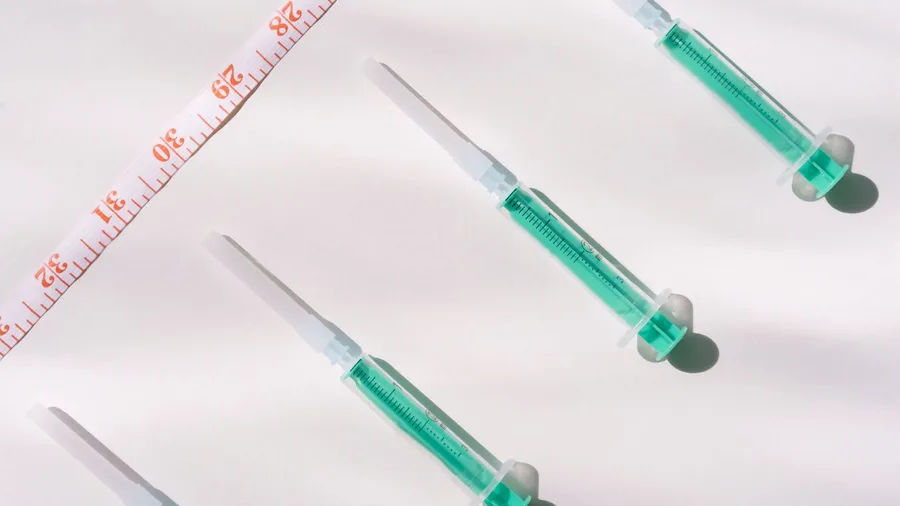
$900 to $1,350 per month is what brand-name GLP-1 weight-loss injections cost out of pocket when insurance steps back completely. Just as physical alterations like ramps face strict benefit limits at home, modern clinical pharmacy hits an unyielding statutory barrier at the neighborhood pharmacy counter.
The Medicare Prescription Drug, Improvement, and Modernization Act of 2003 statutorily bars Part D formularies from paying for medications prescribed solely for weight reduction or obesity. Many enrollees assume a doctor note or a high body mass index will convince their plan to approve coverage on appeal.
That is not how the statute works.
Federal drug plans approve GLP-1 prescriptions only when charts document secondary medical indications, like managing Type 2 diabetes or reducing established cardiovascular risks. Without those diagnosed conditions, retirees paying cash take on the full retail invoice or must hold secondary, employer-sponsored group coverage after age 65.
Call your prescribing clinic before filling the script to confirm the exact diagnostic codes attached to the order. Knowing that billing classification ahead of time stops a four-figure register shock.
💡 PRO TIP
Audit Diagnostic Codes Early
Ensure your doctor lists established secondary diagnoses like Type 2 diabetes or heart disease before submitting GLP-1 claims to Part D.
9. Alternative Therapies Like Massage and Naturopathy Are Denied

Needing holistic bodywork to stay mobile does not mean your entire monthly retirement budget has to spiral out of control. Much like the federal ban on lifestyle prescriptions, Medicare treats therapeutic massage, body manipulation, and naturopath visits as non-covered elective wellness, leaving clinics unable to bill Medicare for facility fees.
Even when a board-certified neurologist or physiatrist writes a formal order for rehabilitative massage, billing claims trigger total payment denials and leave you with 100% of the clinic charges. The program allows one narrow Part B exception: up to 20 visits per year for acupuncture, restricted entirely to chronic non-specific lower back pain while excluding neck, shoulder, or joint complaints.
Automate this boundary by establishing a separate health cash account that transfers $75 each payday into a dedicated savings envelope. Locking in that automatic reserve lets you pay retail bodywork rates without second-guessing your core household checking balance.
💡 Tip: Acupuncture carries a narrow exception: Medicare covers up to 20 visits yearly exclusively for chronic non-specific low back pain.
10. Annual Comprehensive Physical Exams Are Not Free Checkups
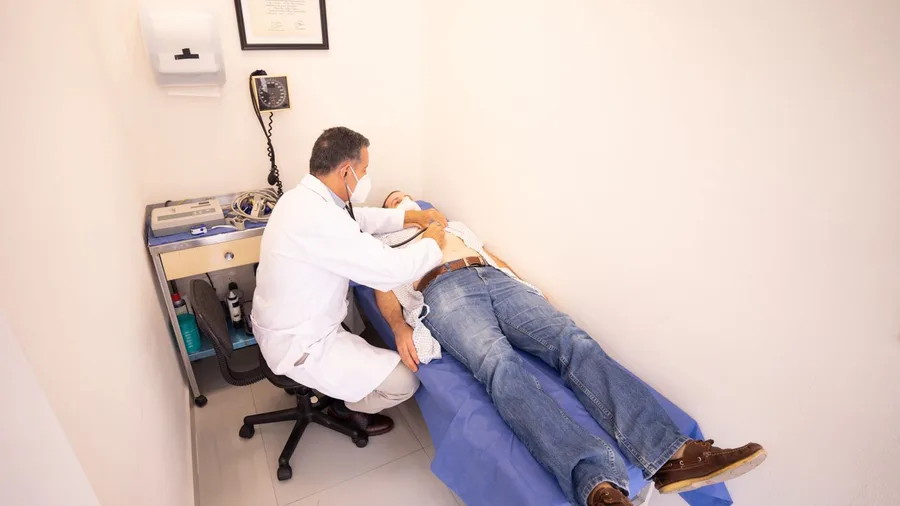
Most retirees schedule a yearly checkup assuming it works like the traditional annual physical they received on an employer plan for decades. Federal regulations define preventive care far more narrowly than commercial insurance ever did.
Medicare Part B covers a yearly Annual Wellness Visit at zero coinsurance, but it is strictly an administrative conversation. The clinician reviews your cognitive functions, checks basic vitals, updates your risk screenings, and maps out a personalized prevention schedule across the desk.
A stethoscope on your chest changes the entire billing code.
Hands-on physical examinations, reflex tests, and routine blood panels are completely excluded from the wellness visit benefit. If a doctor looks down your throat or taps your knees, Medicare treats those actions as separate diagnostic services subject to standard Part B deductibles and 20% coinsurance.
Diagnostic laboratory work orders create the fastest surprise bills. Routine metabolic blood panels ordered without a specific clinical diagnostic symptom code trigger direct patient out-of-pocket charges, leaving you on the hook for hundreds of dollars.
Protecting your wallet requires a strict, two-step booking system. First, tell the front desk that you want solely code G0438 or G0439 for the Annual Wellness Visit, and explicitly ask that no diagnostic evaluation codes be attached to that specific block of time.
Second, separate the clipboard from the exam table. If you have an active joint ache or want screening labs drawn, book that as a standalone follow-up consultation on a different day so the office codes both appointments cleanly.
A quiet conversation in advance prevents a surprise $250 clinic bill.
Wellness Checkup vs Full Physical Exam
Medicare Annual Wellness Visit
- Eligible every 12 full calendar months after first year on Part B
- Qualifies under physician, NP, PA, or designated clinical nurse specialist
- Advance Beneficiary Notice (ABN) required before any surprise add-on
- Medigap policies cannot pay if original Part B denies the code
Traditional Head-to-Toe Physical
- Office visits reclassified under evaluation codes 99202 through 99215
- Venipuncture processing carries separate facility collection surcharges
- Secondary Medigap covers coinsurance only after annual deductible clears
- Split appointments by at least 24 hours to avoid bundled denials
11. Emergency and Routine Healthcare Outside the United States

Packing your red, white, and blue card next to your passport brings real comfort until you realize border control effectively deactivates it. Stepping outside American territory cancels Part A and Part B entirely. Federal statutes forbid the program from covering a single euro or peso of overseas doctor visits, ambulance rides, or hospital stays.
The exceptions are razor-thin, covering near-border transit such as an ambulance ride through Canada when driving directly between Alaska and the lower forty-eight states.
Fixing this gap starts small: pick up a standalone international travel health policy for about $100 to $350 for a two-week trip, or verify whether Medigap Plans C, D, F, G, M, or N are already paying toward your capped lifetime foreign emergency reserve.
📅 Your Healthcare Gap Readiness Roadmap
Audit Past Receipts
Review twelve months of vision, dental, and pharmacy receipts to size your annual cash gap.
Ring-Fence Emergency Cash
Deposit three to six months of estimated out-of-pocket health costs into a liquid reserve.
Evaluate Supplemental Coverage
Compare standalone dental riders and Medigap travel provisions against Medicare Advantage alternatives.
Establish Clinic Billing Protocol
Instruct medical providers to verify diagnostic coding before ordering routine preventive panels.
Frequently Asked Questions
Why does Medicare exclude routine dental, vision, and hearing care?
When Congress enacted Medicare in 1965, the program was modeled on commercial insurance designed primarily for acute hospitalizations and physician illness care. Lawmakers viewed teeth, eyes, and ears as routine maintenance areas, deliberately writing statutory exclusions into Section 1862 of the Social Security Act to limit federal spending.
Does a Medigap policy cover these excluded items?
Standard Medigap supplemental plans only pay deductibles, copayments, and coinsurance for services approved by Original Medicare. Because Medicare excludes dental, vision, hearing, and long-term custodial care by law, Medigap cannot pay for them either, with the exception of foreign travel emergency benefits on select plans.
How can I get coverage for weight-loss medications on Medicare?
Medicare Part D strictly excludes anti-obesity medications when prescribed solely for weight reduction under federal law. However, if your doctor prescribes an approved GLP-1 for an established secondary condition like Type 2 diabetes or cardiovascular risk reduction, Part D plans can cover the medication.
Will Medicare pay for any in-home assistance as I age?
Medicare covers limited, short-term home health care only if you require skilled nursing or physical therapy and remain certified as homebound by a physician. It never covers non-skilled custodial caregivers who assist with meal preparation, bathing, dressing, or household chores.
Can I use a Health Savings Account to pay for these exclusions?
You cannot contribute new funds to an HSA once enrolled in any part of Medicare. However, you can withdraw existing funds saved in an HSA tax-free to pay for dental crowns, hearing aids, eyeglass hardware, and qualified long-term care insurance premiums.
Building Your Personal Cash Shield Against Medicare Exclusions
Protect your baseline by taking three concrete steps this week: audit your family health history against these statutory gaps, calculate a dedicated annual cash buffer for dental and hearing upkeep, and weigh how Medicare Advantage vs Original Medicare affects your options, or whether private supplemental riders and a preserved Health Savings Account cover the difference best.
Expecting traditional Medicare to act like your old workplace insurance collapses the moment dental invoices, hearing aid bills, or custodial nursing needs arrive at your door.
True financial security means funding the care federal statutes ignore before the first bill lands, keeping your hard-earned retirement nest egg entirely safe from preventable cash-flow shocks.
Audit Your Personal Health Buffer Today
Review our comparison table at the top of this article to calculate your estimated annual out-of-pocket costs and ring-fence your retirement cash.