
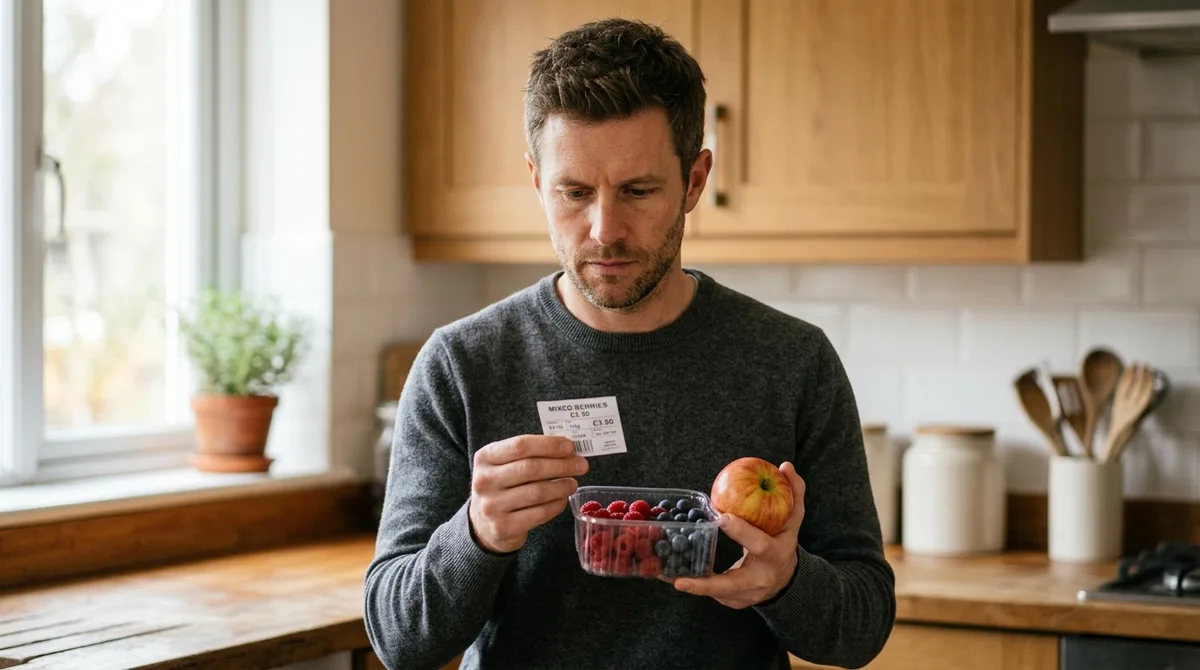
You stand in the aisle staring at two identical jars of peanut butter, trusting the big yellow tag that promises savings on the larger one.
The math tells a different story. Stores count on your exhaustion to make you skip the unit price tag.
It is not your fault you missed it. Packages shrink while prices climb, and marketing teams design labels to confuse your brain.
Quick Tips Before You Start
Check the Fine Print
Always look at the unit price in the corner of the shelf tag, not the total cost.
Do Quick Math
Divide the total price by ounces or grams to find the true baseline cost.
Question Bulk Size
Larger boxes frequently carry a convenience tax rather than a real discount.
1. The Bulk Pack Illusion

You grab the giant box of cereal because the label says family size and your brain automatically registers savings.
Stores price larger containers higher per ounce because shoppers assume volume equals a discount without checking the actual shelf tag numbers.
I fell for this exact math trick for years on oats and coffee before I finally started looking at the tiny cost-per-ounce numbers printed on the bottom right of the store shelf label.
Set up a simple system on your phone calculator to check unit prices before tossing items into the cart, dividing the total cost by ounces or grams.
Take two seconds to do the division before you buy, and keep that extra $15 a month in your pocket instead.
💡 Tip: Compare the small bag unit price against the giant box every single time.
The True Cost of Bulk
Based on standard retail shelf pricing discrepancies
2. Pre-Cut Produce Tax
Everyone believes buying pre-chopped onions saves time on busy weeknights when you are too tired to cook.
It feels like a smart shortcut for a hectic schedule, but you are paying a massive hidden fee.
Grocery stores charge double or triple the base price for the labor of a machine slicing a vegetable.
You hand over $4 or $5 for a tiny plastic tray of bell peppers that costs $1.50 in whole form.
The mechanism here is simple convenience pricing combined with accelerated spoilage.
Pre-cut vegetables start losing moisture and nutrients the moment the cell walls are broken.
You end up throwing away half-slimed pieces by Thursday because their shelf life drops to days.
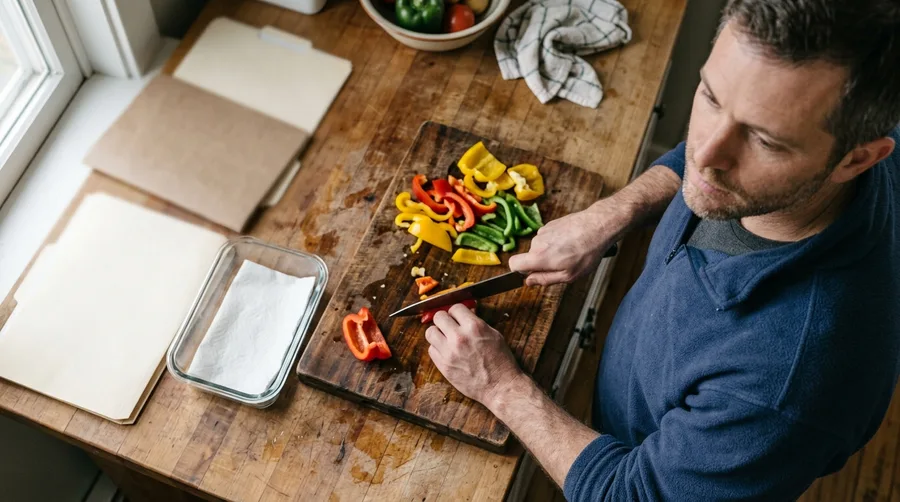
Take ten minutes on Sunday afternoon to chop your own onions and bell peppers while listening to a podcast.
Store them in airtight glass containers with a dry paper towel to absorb excess moisture.
Your weekly produce bill drops immediately by $10 to $15 without changing a single meal you actually eat.
Stop paying for air and plastic packaging.
⚠️ COMMON MISTAKE
Paying for Convenience Labor
Never buy pre-shredded cheese or sliced vegetables if you want to protect your food budget.
3. Single Serving Snack Packs

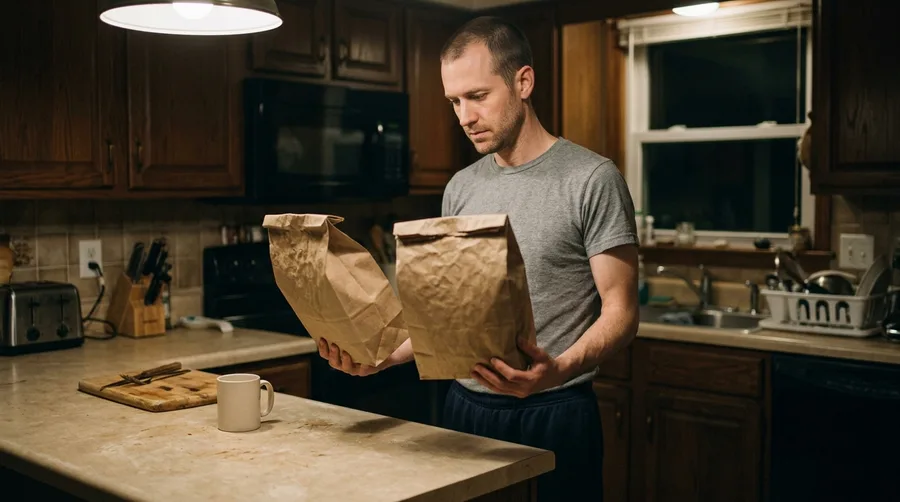
Mornings are completely frantic, and you just want to toss something into a school lunchbox without thinking about it while you rush out the door.
That momentary relief comes with a surprisingly heavy markup, since buying those pre-packaged individual pretzel bags costs you roughly twice as much per ounce as purchasing one large family-size bag and dividing it yourself into reusable containers.
I used to buy three boxes of those little snack packs every single week because it felt like the only way to keep the kitchen from exploding into total chaos before eight in the morning, even though I secretly winced at the receipt.
The extra cost feels invisible in the moment, but when you multiply it across every single grocery trip, it turns into a noticeable leak in your weekly spending.
Check your bank statements from the last three months or talk to a local budget counselor if you want an honest outside perspective to see how these small convenience charges quietly drain your checking account over a month without you ever noticing.
4. Miniature Condiment Bottles

$25 a month saved on tiny groceries might sound too small to bother with until you watch it quietly pile up into an extra tank of gas by the end of the year.
Miniature condiment bottles look harmless in the cart, but you are paying an absurd markup just for novelty packaging and tiny plastic jars.
Skip the travel-size mustard and buy the standard squeeze bottle this week because consistency beats perfection every single time.
Smart Swaps
5. The Illusion of Variety Packs

You think buying the multi-flavor snack box is a clever way to keep everyone happy without hearing complaints.
It feels like a smart compromise until you notice the same three stale flavors sitting untouched at the bottom of the pantry two months later.
You end up paying about 30% more per ounce just for the cardboard dividers and the false promise of variety, throwing away cash on food nobody actually wants to eat.
Next time, skip the sampler box entirely and buy two large packages of the exact flavor your household already clears out in five days.
6. Targeted Organic Marketing
Check the ingredients label on the back of the bag before you pay an extra premium for a famous health food logo.
I spent years buying specialty brand organic oats because I assumed the higher price meant a cleaner product, until I finally lined up the store brand right next to it on my kitchen counter and compared them line by line.
The ingredients list showed identical rolled oats with the exact same nutritional profile, but the brand name cost $3.50 more per bag for the privilege of a pretty font and a green leaf printed on the front.
Paying extra for a specific logo does not change the nutritional baseline of basic grains, and marketing departments rely on that emotional reassurance to extract cash flow from our grocery budgets.
Next time you stock the pantry, flip the packages over and compare the actual contents before you let the label make the decision for you.
💡 PRO TIP
Store Brand Equivalents
Always check the middle shelves where generic store brands sit instead of eye-level premium labels.
7. The Trap of Frozen Meal Kits
Is it possible to eat well without spending your entire paycheck on frozen skillet meals? Yes, but you have to scale back the convenience mindset and look closely at what you are actually paying for.
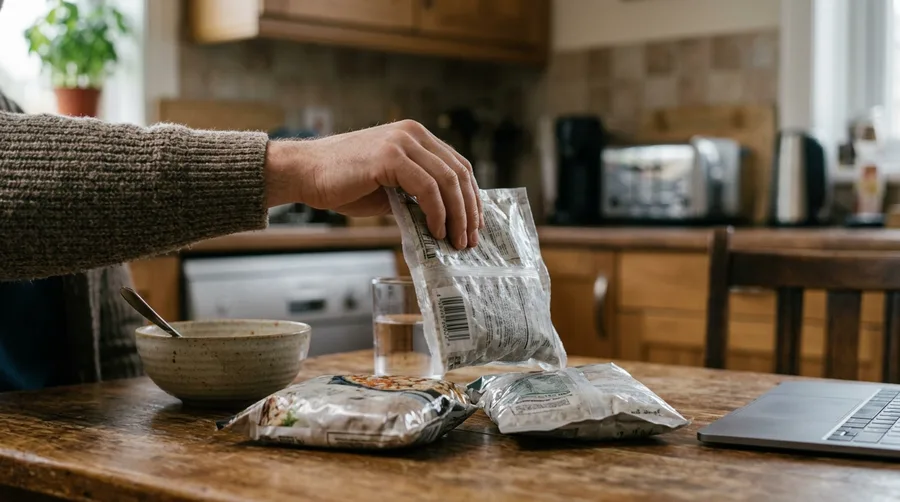
These kits bundle rice, frozen vegetables, and tiny sauce packets together for nearly three times the cost of buying the raw ingredients separately. You are paying a massive markup for the plastic bag and the few minutes of prep time saved, even though the actual cooking takes the exact same time.
I used to rely on them three nights a week because cooking after a long workday felt completely impossible, and I felt too guilty to order takeout.
You are not lazy for wanting dinner to be easy.
You do not have to abandon convenience entirely by Friday night, and you certainly do not need to start making every single component from scratch. Grant yourself the permission to accept that some weeks require shortcuts, but choose the ones that do not rob you blind at the checkout lane.
When a single skillet kit costs $9 for two meager portions while a bag of rice and basic frozen veggies cost $4 combined, the math adds up fast over the course of a month.
Saving $5 on a single dinner turns into sixty extra dollars a month when multiplied across your grocery trips. That money can stay in your checking account instead of funding a fancy sauce packet, giving you a real cushion when other unexpected expenses pop up.
Pick just one meal to cook from scratch this week and let the rest of the convenience foods wait until you have more bandwidth.
Meal Kit Shopping Shift
8. Single-Serve Coffee Pods

I used to throw away three or four plastic pods every single morning before I even looked at my laptop.
Single-serve coffee pods charge you a massive markup for aluminum and plastic waste, turning a $0.20 cup of coffee into an $0.80 daily habit that quietly drains roughly $180 a year.
Buying ground coffee and a reusable filter cuts your morning cup cost in half this month, giving you an immediate cash flow win before your next grocery run.
9. Pre-Marinated Meat Pricing

Skip the pre-marinated chicken breasts soaking in Italian dressing next time you walk down the meat aisle.
Grocery stores charge full protein prices per pound for the cheap oil, salt, and water solution adding dead weight to that plastic tray. You are effectively paying steak prices for standard table salt and soybean oil.
The trade-off is real: mixing your own marinade takes about three minutes of actual effort and an extra bottle from the pantry, which can feel deeply annoying when you just want dinner solved.
Making it yourself saves roughly $3 to $5 per package depending on the weight, which quickly adds up to an extra meal next week if you do it consistently.
This week, buy the plain chicken breasts instead and spend two minutes pouring your own dressing at home.
10. Bottled Water Multi-Packs

Buying cases of bottled water feels like a harmless convenience until you look at the receipt.
You are paying roughly $4 or $5 for packaging filled with municipal tap water that costs fractions of a cent at the kitchen sink. Over a single year, that habit turns about $450 into empty plastic waste sitting in your recycling bin.
Swap the cases for a basic $25 pitcher filter in your fridge this week, fill a reusable stainless steel bottle on your way out the door, and let that automation handle the cost.
11. Specialty Flour Blends

You feel deeply frustrated when specialty gluten-free or alternative baking flours cost four times as much as a standard bag of all-purpose flour.
It makes managing dietary needs feel like an expensive punishment for something you didn't even choose.
The mechanism behind this markup is straightforward target pricing, where stores capitalize on dietary restrictions by moving specialty items into boutique aisles with triple-digit profit margins.
When a two-pound bag of specialty flour costs $8 while standard flour sits at $2, the math adds up fast and drains your weekly grocery envelope.
I once spent over $45 on alternative flours in a single afternoon trying to bake for a family gathering, and it completely wrecked my food budget for that week.
The common mistake is assuming you have to buy your alternative ingredients exclusively from the health food section or specialized online storefronts.
The fix is stepping out of the health aisle and heading straight for international grocery stores, where large bags of rice flour, chickpea flour, and lentil flour often sell for a fraction of the boutique price.
You can regularly find five-pound bags of alternative grains in ethnic markets for around $4 to $6, cutting your per-ounce cost by more than half.
Do not feel bad if your pantry staples cost significantly more due to health needs, because the food system is simply built to extract more from people with specific dietary requirements.
This week, skip the specialty health boutique and check out one local international market to compare their bulk grain pricing against your usual receipt.
12. Pre-Grated Cheese Blocks
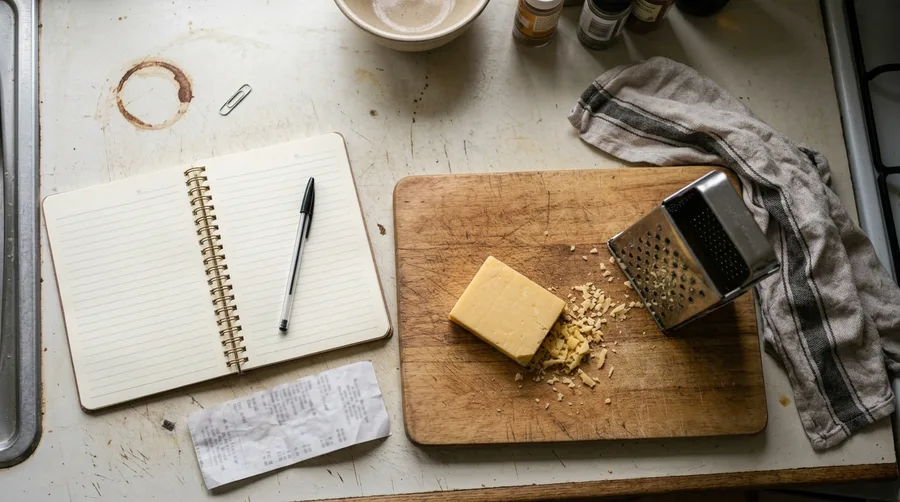
Review your grocery receipt once a month and look closely at dairy purchases to catch where convenience charges are quietly draining your baseline food budget.
Pre-grated cheese costs significantly more per ounce than solid blocks because processing plants charge extra for the labor of shredding and the addition of cellulose powder to keep the strands from sticking together in the bag.
You are paying a roughly 30 to 40 percent markup simply to avoid using a standard box grater for two minutes.
I used to buy three bags of shredded cheddar every single week without thinking about it until I sat down with a calculator and realized I was throwing away nearly $25 a month just on cheese dust.
Buy solid blocks of cheese instead, grate them yourself in batches on a Sunday afternoon, and freeze whatever you won't use immediately in a simple reusable container.
13. Individual Yogurt Cups

$4.80 a week vanishes just on convenience yogurt cups.
I used to buy rows of small yogurt cups for quick morning snacks before actually doing the math on what those plastic sleeves were costing me. A large thirty-two-ounce tub usually costs half as much per ounce and lets you scoop your own portions into small glass jars with whatever fruit you have on hand.
The mechanism is simple packaging markup charging you for single-use plastic and individual sealing. Swap to the big tub this Sunday, portion three small glass jars for the week, and keep the leftover savings in your pocket.
Frequently Asked Questions
Why do larger bulk items sometimes cost more per ounce?
Stores know shoppers assume bigger means cheaper, so they add a convenience markup on large packages hoping you will not check the unit price tag.
How do I find the unit price on grocery shelf labels?
Look at the bottom corner of the paper tag attached to the shelf. It shows the cost per ounce, pound, or count so you can compare products directly.
Are store brands always lower quality than name brands?
No. Many store brands come from the exact same factories as name brands, just packaged in plain wrappers without marketing costs.
What is the easiest grocery habit to change first?
Stop buying pre-chopped produce and single-serve snack packs. Swapping those two categories yields immediate savings on your weekly receipt.
Where to Go From Here
Start with one small change on your next grocery run.
Check the unit price on your favorite staple and see if a better option is waiting right beside it.