

You stand in the aisle staring at two identical bottles of olive oil. One costs twice as much because a celebrity chef put their face on the label.
It is easy to assume that paying more always buys a better product. Most of the time, you are just funding a massive advertising budget.
You do not need to guess which items are worth paying for and which are a total waste. Here is the honest breakdown of where store brands hold up and where they fall short.
Quick Tips Before You Start
Check the Fine Print
Look at the small print on the back label to find the actual manufacturer name.
Start Small
Buy one store-brand version of your usual item to test it before buying in bulk.
Compare Ingredients
If the active ingredients match line-for-line, the store brand is identical.
1. Plain Rolled Oats

Stop paying double for the smiling face on the oatmeal cylinder.
You have probably convinced yourself that the famous name brand tastes smoother, cooks better, or represents a higher standard of morning nutrition, making the extra cost feel justified when you are already anxious about your weekly grocery totals and rising food prices across the board.
That belief is a mental habit built by decades of clever packaging and aggressive advertising designed to make a completely generic commodity feel exclusive and essential to your family's morning routine, even when money is tight.
The economic mechanism here is straightforward because basic grains have no proprietary formulas to protect, meaning the plain bag sitting quietly on the bottom shelf comes from the exact same agricultural grain elevator as the luxury box at eye level.
When you buy the premium option, you are mostly paying a 40 percent markup just for the ink on the cardboard, the shipping logistics of branded displays, and the corporate marketing overhead that adds zero nutritional value.
I used to worry that switching meant quietly cutting corners on quality for my household, but after pouring a store-brand bag into a glass jar at home, I quickly realized the texture, cooking time, and fiber content are completely identical in every way.
Swap the $5.00 box for the $2.50 bag this week, keep the spare cash safely in your checking account, and let go of the idea that expensive packaging automatically creates a better breakfast experience.
💡 PRO TIP
Look For the Plant Number
Check the tiny stamp near the expiration date on canned goods and dairy. If the plant number matches a national brand, you are buying the exact same item in a different wrapper.
2. Over-The-Counter Ibuprofen
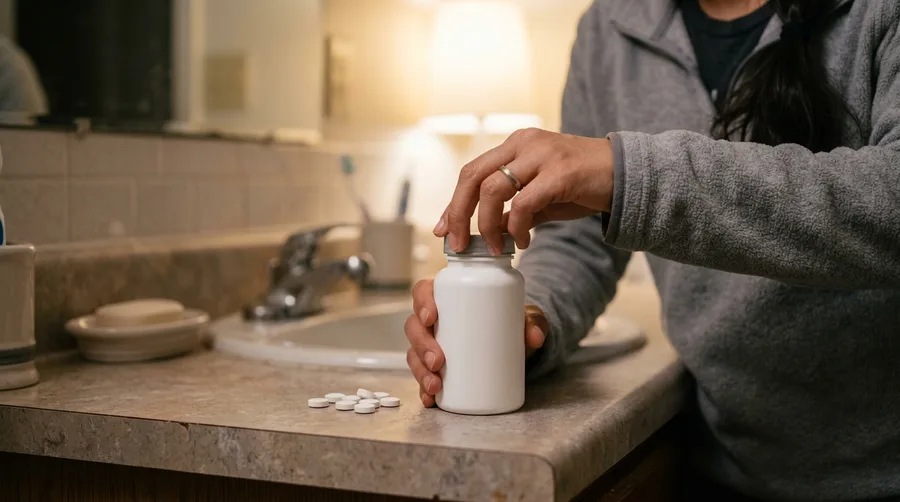
People assume the familiar blue and white bottle works faster just because it costs three times as much. That is pure marketing psychology at work, not medicine.
The FDA requires generic medications to contain the exact same active ingredients and strength as the name-brand version, meaning your body cannot tell the difference on the receipt or the chemistry level. A bottle of 500 store-brand ibuprofen tablets costs around $9, while the famous name brand runs about $22 for a tiny fraction of that count.
Stop paying a premium for the label next time you have a headache. Toss the generic in your cart and keep the difference for something that actually hurts your wallet less.
Medication Cost Comparison — At a Glance
💊 Active Ingredient
Ibuprofen 200mg
🏷️ Name Brand Cost
$22.00 for 100
🛒 Store Brand Cost
$9.00 for 500
💰 Annual Savings
Roughly $60
The Rule
Never pay extra for generic chemical compounds regulated by the government.
3. Granulated White Sugar
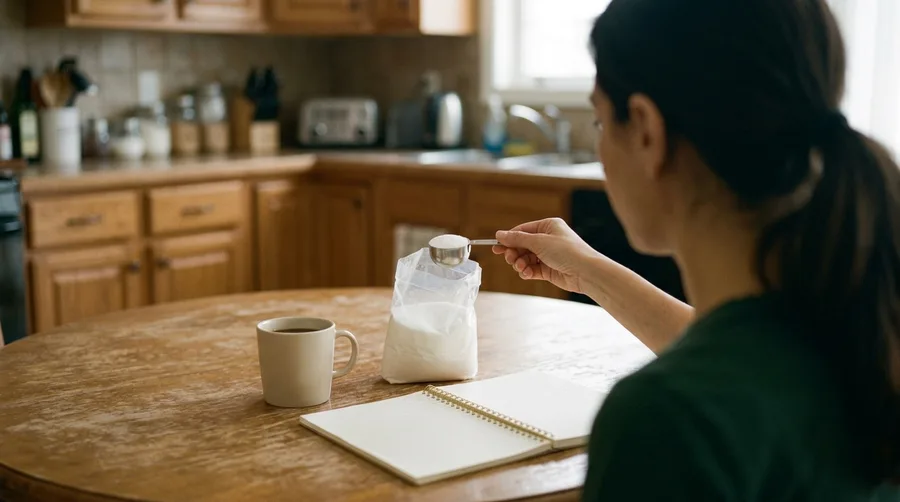
Granulated white sugar is pure sucrose, meaning the store brand and the expensive label are chemically identical down to the molecule.
There is no hidden quality tier or artisanal refinement process that makes a name-brand bag dissolve differently in your morning coffee or perform better in your sourdough starter.
When you look at your grocery receipt and feel that familiar tightening in your chest, remember that you are often paying thirty to forty percent more simply for a cartoon character or a fancy font printed on the paper packaging.
If you want to free up about $20 a month without changing the meals you actually cook, look at these basic commodity pantry staples first.
Check your own pantry inventory against your spending limits this weekend, and decide whether a brand name is worth the extra coins.
Pantry Staples To Switch
4. Standard Baking Soda

Why pay three times as much for a red box when the chemical makeup is completely identical?
Sodium bicarbonate is a chemical constant that performs the exact same work whether it costs $2.50 or 80 cents. I used to buy the name brand out of habit before comparing labels. Build a simple pantry rule: whenever a single-ingredient staple relies on a regulated chemical standard, grab the generic option. The store brand costs about 80 cents while the name brand runs around $2.50 for the exact same lifting power.
Pocket the $1.70 difference today.
⚠️ COMMON MISTAKE
Don't Skimp On Everything
Treating every store brand as an automatic win leads to buyer's remorse on items like trash bags and dish soap, where thin plastic and watery formulas cost you more in the end.
5. Distilled White Vinegar
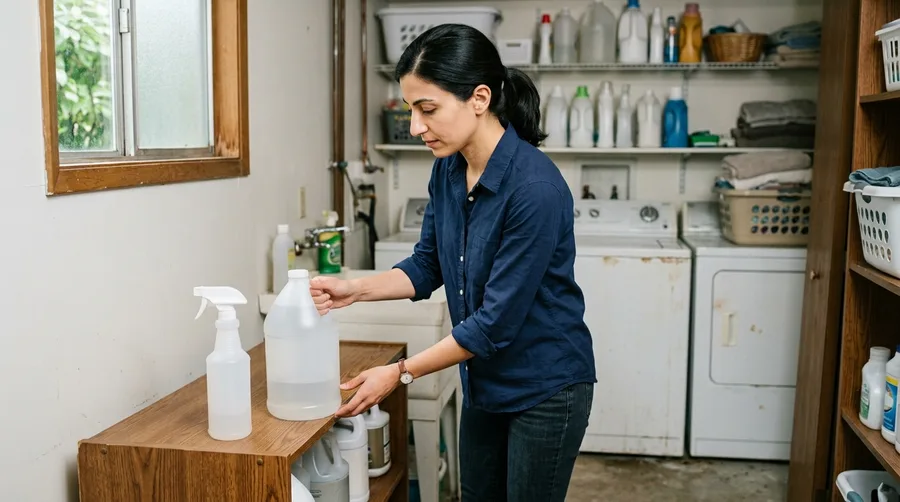
Three dollars is the difference between a sleek name-brand cleaning bottle and a plain plastic gallon jug of store brand white vinegar sitting on the bottom shelf.
The chemical reality is completely identical because vinegar is simply a solution of acetic acid and water, meaning the active cleaning agent doing the heavy lifting on your windows and coffee maker does not care what logo is printed on the container.
The genuine trade-off here is that cheap vinegar lacks any ergonomic spray nozzle, forcing you to pour the liquid yourself into a separate reusable bottle you already own.
That minor annoyance takes about sixty seconds of your afternoon, but it keeps a few extra dollars in your pocket every single month without sacrificing an ounce of cleaning power.
Grab a generic gallon jug on your next grocery run, unscrew the cap, and pour it into an old spray bottle under your sink to test the difference.
6. Large White Grade A Eggs

You feel like buying the farm-painted carton means you are supporting happy hens, but often you are just paying for better graphic design on the cardboard.
Grocery prices have climbed steadily, and every trip to the dairy aisle feels like an exercise in seeing how much more a carton of basic protein can cost.
Eggs are graded by strict government guidelines on shell integrity and yolk height, meaning a grade-A large egg from the store brand is physically identical to the expensive specialty carton right next to it on the shelf.
major egg distributors pack identical eggs into thirty different store cartons depending on daily shipping logistics, meaning you might literally be buying the exact same farm's product for $1.50 less.
You are paying for the picture of the rustic red barn and the clever marketing copy printed on the lid rather than any actual difference in what ends up in your skillet.
When the monthly grocery bill climbs higher than expected, look at these hidden markup items where brand loyalty costs you extra every single week without delivering any nutritional benefit.
Grabbing the store brand carton keeps $2 in your pocket every single week, which adds up to roughly $100 a year saved just by looking past the prettier packaging.
This month, make the switch on your breakfast staples before your next grocery run and redirect that extra cash straight into your emergency buffer account.
This is the window to audit your cart before inflation eats another slice of your paycheck.
7. Dry Pasta Shapes

I used to buy imported bronze-die bronze-cut pasta because a cooking show told me sauce clings better.
That box cost $4.19, which is honestly absurd for wheat and water, but I convinced myself it was an investment in quality.
Then I tested store-brand penne side-by-side with a box costing four times as much during a frantic Tuesday night dinner prep.
My family could not tell the difference in a Tuesday night marinara, and neither could I once the garlic and tomatoes went in.
Save the gourmet pasta for dinner parties where presentation matters, but for weeknight dinners, the generic box at 99 cents gets the job done without draining your grocery fund.
8. Plain Unsweetened Almond Milk

It feels exhausting to care about the two-dollar price gap between cartons of plant milk, like you are micromanaging your kitchen down to the penny.
Take a look at the ingredient deck, and you will see the truth behind the marketing: plant milks are mostly water, a small percentage of nuts, and thickeners like gellan gum. The store-brand version uses the exact same stabilizer blend to keep the liquid from separating in the carton, meaning you are literally just paying for the name printed on the front.
I used to grab the familiar blue carton out of pure habit because testing out off-brands felt like one more mental load to carry on a Tuesday.
Open your grocery delivery app right now and set it to automatically swap name-brand cartons for store equivalents whenever your cart fills up. You will shave $15 off your weekly grocery total without ever having to think about it or compromise on your morning coffee.
Four minutes of app settings beats years of paying extra for a logo.
9. Aluminum Foil Sheets

Grab the store-brand box of aluminum foil next time you are at the grocery store.
Even $2 extra for the heavy-duty name brand adds up over a year of sheet-pan dinners and oven roasting, silently eating into cash flow that could sit better elsewhere.
The generic version lines your baking sheets and covers your leftovers just fine for about $3.50 instead of $5.50.
It is a tiny change that takes zero discipline to maintain once the habit sets in.
Next time you run out, look at the bottom shelf and pocket the difference.
10. Whole Black Peppercorns

I used to spend nearly $6 on those glass grinder bottles of peppercorns until I realized I was just paying for a disposable plastic top and a fancy brand name.
Whole peppercorns are chemically identical whether they sit in a branded jar or a clear plastic refill bag, but the jar markup is often 150% more for the exact same spice.
Buy a $3 store-brand refill bag instead and dump it directly into your own adjustable ceramic grinder to save about $15 a year without losing an ounce of flavor.
11. Frozen Mixed Vegetables
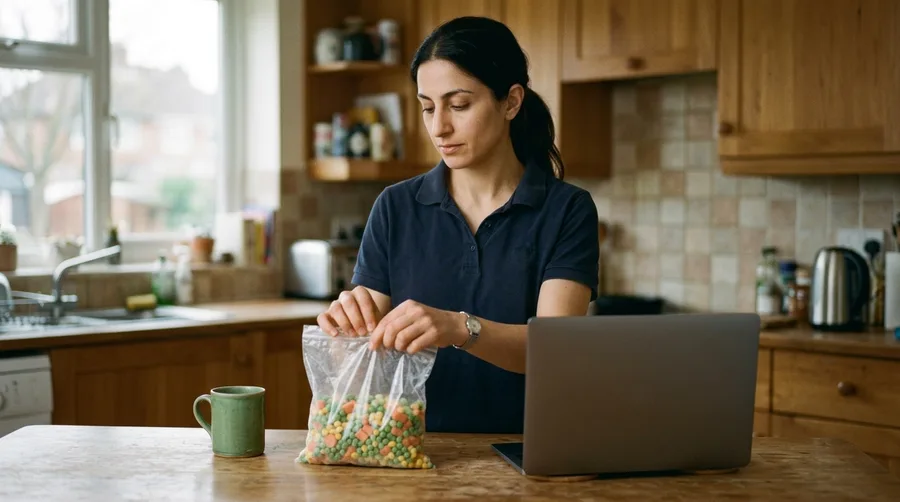
You are not compromising on nutrition by choosing the cheaper bag.
Freezing locks in nutrients within hours of harvest, which means frozen peas and carrots are often fresher than produce sitting on store shelves for a week. Packing plants freeze generic labels on the exact same assembly lines as name brands. Large retail chains buy this surplus harvest, slap their own logo on the poly bag, and sell it at a steep discount.
You are not sacrificing any nutritional value by buying the $1.20 store bag instead of the $3.00 name brand. The freezing process treats both identical crops the exact same way.
When I audited my own kitchen waste, I realized I was throwing away twenty dollars of slimy spinach every single week. It felt like burning money just to feel virtuous at the checkout lane. Shifting to store-brand frozen vegetables stopped that financial leak entirely and cut my produce loss down to practically zero.
Use your monthly spending review to check your real habits. Look at your grocery receipt and tally up how much fresh produce went straight into the trash last month.
Compare that wasted cash against how often you actually cook what you buy. If half your fresh greens turn to liquid in the crisper drawer, the cheaper frozen option is the smarter financial and practical choice.
Audit your freezer inventory this week.
Commit to buying store-brand frozen produce for your weeknight soups and stir-fries. Keep track of the difference on your next two receipts.
💡 PRO TIP
The Freezer Section Trick
Inspect the back of the frozen vegetable bag for the USDA inspection shield and plant code to verify it comes from the same regional packing facility as the premium brands.
12. Pure Vanilla Extract

Can you really trust the store brand bottle of vanilla extract sitting next to the designer label on the baking aisle?
Federal standards legally define pure vanilla extract by strict bean-to-alcohol ratios, which means the chemical composition inside the glass is virtually identical regardless of the logo on the front.
I used to buy the twenty-dollar artisanal glass bottle because I thought it made my holiday cookies taste superior, until a blind taste test in my own kitchen proved I couldn't tell the difference in a batch of chocolate chip cookies.
Switching to the generic store label saves you roughly $5 a bottle on a standard four-ounce purchase, keeping a few extra dollars in your grocery envelope without changing your recipe outcomes.
If you bake professionally or run a custom cake business, keep using whatever brand inspires your craft; for weekend baking with the kids, give yourself permission to buy the cheaper option.
13. Standard Table Salt

You might believe that fancy pink salt or artisanal sea salt brings special minerals to your pasta water.
I used to fall for the packaging on those gourmet glass jars, too, feeling like my kitchen wasn't quite legitimate unless my salt cellar held something imported from a distant mountain range. It feels harmless until you realize how many dollars slip away across a year for something that just seasons water.
The reality of it is purely chemical once it hits liquid. Sodium chloride is sodium chloride once it dissolves in a boiling pot, and no trace mineral left in an expensive crystal survives the trip into your boiling spaghetti or your soup stock. You are paying purely for the color and the story on the label.
Keep your expensive finishing salts for a final steak plate or a cookie top where physical crunch actually matters. For everyday cooking, grab the 50-cent store canister for all your bulk boiling, pot seasoning, and basic baking needs.
It is a tiny, painless swap that stops leaking grocery cash on things that chemically taste identical.
14. Raw Honey Bears

$14 for a decorative glass jar of honey is a steep tax on your grocery bill.
The common mistake is assuming that premium packaging equals superior quality, but pure honey is legally required to meet the same standards regardless of the container. I used to buy the artisanal hexagon bottles because they looked nice on the shelf, completely ignoring that I was paying nearly triple for glass I would eventually recycle. The store-brand plastic bear sitting right next to it has the exact same single ingredient for a fraction of the cost.
Reach for the store-brand bear this week and keep the extra cash.
15. Standard Cotton Q-Tips

Cotton swabs seem simple until you buy a cheap brand where the cotton falls off the stick inside your ear and leaves you panicking.
Store brands have improved their manufacturing standards significantly over the last decade, finally matching the sturdy cardboard stick rigidity of the name brand without the markup.
retailers rotate their private label suppliers seasonally, so testing a store brand today ensures you find the durable batch before packaging changes next quarter.
Grab the store-brand box for $1.20 instead of $3.50, and watch your bathroom cabinet get the exact same utility without the brand-name tax.
This month, make a habit of swapping one branded household item every time you run out, starting right here.
Frequently Asked Questions
Are store brands always lower quality than name brands?
Not at all. For commodities like sugar, oats, and medications, the contents are legally or practically identical. The price difference pays for advertising, not better ingredients.
Why are name brands so much more expensive?
Name-brand pricing covers massive marketing budgets, national distribution networks, and packaging design. Store brands rely on the retailer's existing customer base to sell inventory.
Which store-brand items should I avoid?
Avoid store brands for items where structural integrity matters, such as ultra-thin trash bags, cheap paper towels, or complex cosmetics where formulations genuinely differ.
How can I tell who actually manufactured a store brand?
Look for a small manufacturer stamp or plant code on the packaging. Matching that code against industry registries often reveals the exact same factory produces both items.
Make It Stick
You do not need to overhaul your entire pantry by Friday afternoon. Pick two items from this list to swap on your next grocery run.
Small adjustments compound over time into real breathing room in your budget, giving you more choices for the money that matters.