

You stare at the packed boxes lining the garage walls, wondering when you became the custodian of things you no longer use.
That unused gear, old furniture, and forgotten equipment represent cash sitting right in front of you.
It is not about turning your entire life into a marketplace, but rather reclaiming space and building a financial cushion.
Quick Tips Before You Start
Sort by Value
Group items into quick sales, donation piles, and trash before listing anything online.
Clear Lighting
Take photos in natural daylight with a clean background to sell items twice as fast.
Price Honestly
Check completed listings rather than asking prices to see what people actually pay.
1. The Three-Bucket Inventory System
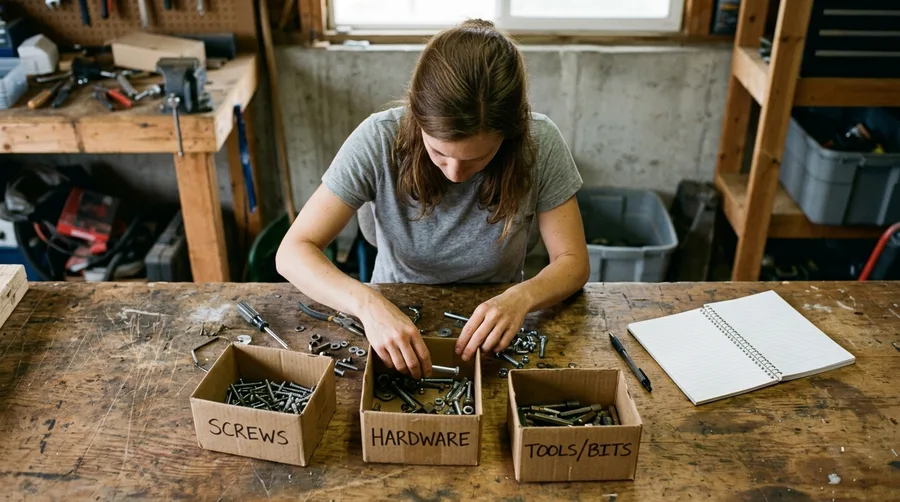
Set up three physical zones in your workspace right now before you list a single thing.
Separating items instantly stops decision fatigue before it stalls your progress because you are removing the need to weigh every single choice from scratch.
Zone one holds high-value goods worth over $50, zone two holds bundle items worth less, and zone three goes straight to donation so you stop staring at clutter.
Your First Week Plan
2. Starting With Twenty-Five Dollars

You do not need to list half your house today to make this count. Starting small takes the heavy pressure off trying to make thousands right out of the gate.
Even $25 made from selling a single old textbook sets the whole mechanism in motion because it proves the system actually works in your real life. Consistency beats grand ambitions every single time when you are building new financial habits from scratch.
Pick one small item sitting in your closet tonight, snap a quick photo on your phone, and list it for twenty-five dollars to start.
🌱 GROWING TIP
Build Momentum With Small Wins
List your cheapest, easiest item today just to learn the platform mechanics without stress.
3. The Monthly Financial Check-In

On the final Sunday of every month, sit down with your laptop or a notebook and review your sales metrics.
Most of us avoid looking at the numbers because we are afraid of what we will find.
That avoidance is completely normal, but it keeps you stuck.
Reviewing your numbers is not a report card on your worth.
It is simply data that tells you what is working and what is taking up space in your hallway.
Look at three distinct factors to get a true picture of your progress.
First, check your total gross revenue for the past four weeks.
Second, calculate your shipping supply costs, including boxes, tape, and gas.
Third, estimate the actual time you spent photographing, listing, and packing items.
When you divide your profit by your hours, you might realize some items are not worth the effort.
If an item sits for more than thirty days without a single inquiry, you need a plan.
Drop the price by 15% immediately or pull the listing and move it to the donation pile.
Tracking these small metrics prevents you from wasting valuable storage space on inventory that loses value over time.
Data keeps emotions out of selling.
I used to hold onto items for six months hoping for top dollar, only to watch them collect dust and lose appeal.
Now, the calendar decides when an item stays or goes.
Open a dedicated spreadsheet or a blank page in your notebook right now and write down last month's totals.
The Reselling Audit — Operational Thresholds
📦 Supply Cost Cap
Keep under 10% of gross
💵 Hourly Return Floor
Never below $10 per hour
📊 Platform Fee Buffer
Assume 13% to 15% total cut
Skip this if
You are clearing estate items purely for space and zero profit.
4. Learning From My First Pricing Mistake
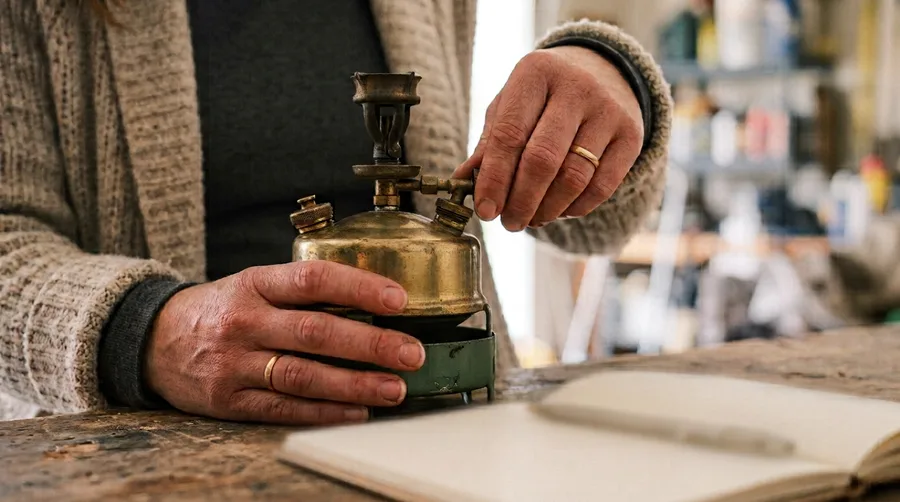
I tried selling an old camping stove for what I originally paid for it ten years ago.
It sat for weeks with zero messages because used gear depreciates fast.
The mechanism here is simple market reality: an item is only worth what a buyer today is willing to hand over, not what sentimental value or past receipts attach to it.
Dropping the price to match realistic local market values brought three buyers within an hour.
This week, check the historical sold listings of your own items online before listing them so you do not waste precious time holding out for a phantom price.
Best Pricing Strategies
5. Automating Your Listing Schedule

You can just rely on pure willpower to keep a side hustle running week after week.
That is a dangerous myth that burns people out before they ever see a single dollar of profit from their garage items.
Willpower reliably runs out by Tuesday evening after a long day of work, leaving you tired and staring at a pile of gear instead of photographing it.
Automate your listing routine by setting recurring calendar alerts for Tuesday and Thursday nights at 7 PM sharp, and pre-write your description templates in your phone notes to save precious time when uploading items, cutting the actual task down to just twelve minutes per item.
Open your calendar app right now and lock in those two weekly slots before the week gets away from you.
⚠️ COMMON MISTAKE
Avoid Waiting For Motivation
Relying on sudden bursts of motivation guarantees your items will collect dust for another year.
6. Permission to Scale Back
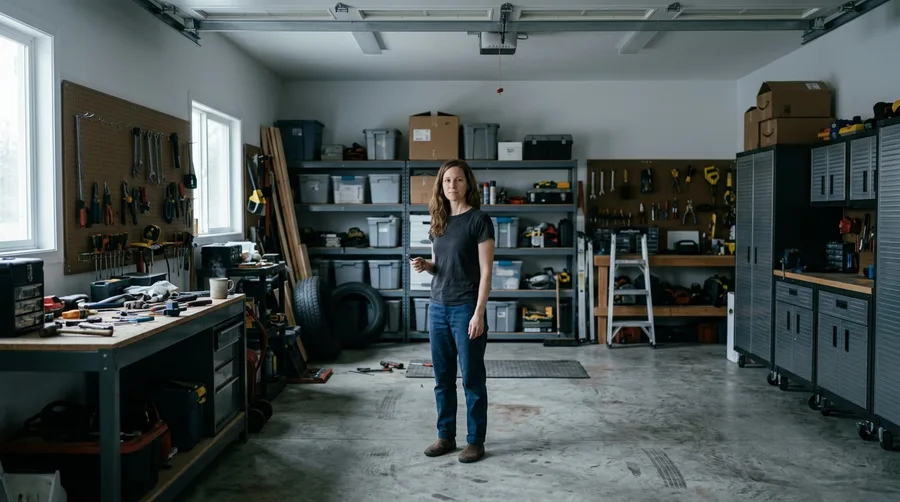
You feel like if you are not constantly hustling every single night, the whole side income effort is completely failing.
You do not need to list fifty items a week to clear an extra $150 or $200 a month. Life gets genuinely busy with work, family, or just needing a weekend to breathe, and pushing yourself to the point of burnout defeats the entire purpose of earning on the side.
Drop down to just one single listing every weekend, keep your sanity intact, and pick the pace back up whenever you are actually ready.
7. The Hidden Costs of Holding On
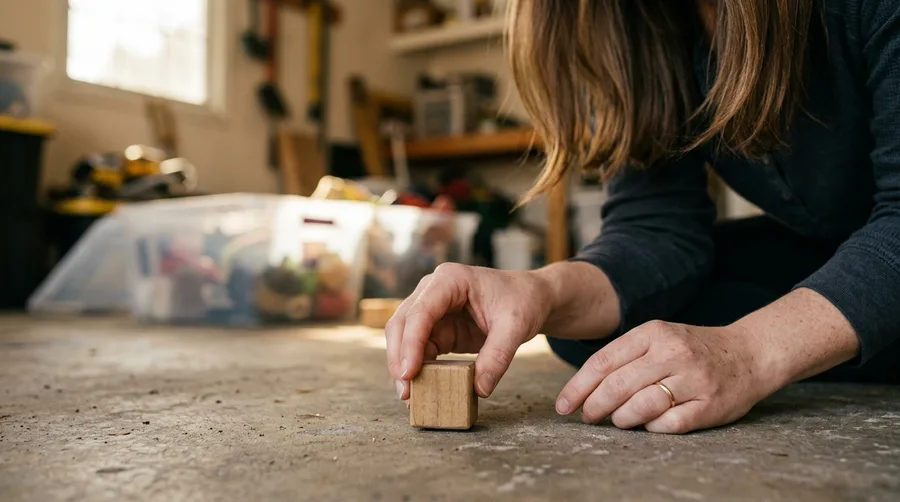
Keeping clutter carries a silent financial and mental tax.
Every square foot of your garage costs money in property value or lost storage utility.
When you clear out old belongings, you eliminate the temptation to buy duplicate tools or gear because you can finally see what you own.
The trade-off is losing an afternoon of comfort to sorting and cleaning items.
That temporary annoyance pays off in cash and clear floor space.
Calculate how much usable room you gain back once the old boxes leave.
Startup Cost Breakdown
8. When to Consult a Professional Appraiser

Is that dusty old instrument in the corner actually worth a down payment, or just worth fifty bucks?
It is easy to misjudge the value of vintage electronics, fine art, or rare musical equipment when you rely entirely on quick internet searches. Sometimes what looks like an outdated relic to an untrained eye carries hidden collectible value that specialized buyers are actively searching for.
The mechanism here is straightforward market efficiency. General online marketplaces aggregate casual buyers, whereas specialized auction houses and independent experts connect rare items directly with niche collectors who will pay true market value. Selling a specialized piece on a standard app without verification often means leaving hundreds of dollars on the table.
Take vintage gear or fine art to a local specialist before listing it online. Spending ten or fifteen minutes on expert verification protects you from accidentally underpricing rare goods by $300 or more.
If you are unsure where to begin, call a local auction house or specialty shop and ask if they offer quick verbal appraisals for walk-ins.
9. Common Listing Description Errors

Writing vague descriptions like 'good condition' turns buyers away instantly.
Always list exact measurements, brand names, and minor flaws upfront to build instant trust.
10. Overcoming the Scarcity Mindset

New belief: letting go of unused things creates room for financial stability.
Many people hoard items because holding physical objects feels safer than having cash in a savings account.
Shifting that perspective turns your old belongings into active capital instead of emotional anchors.
11. Capitalizing on Seasonal Demand Windows
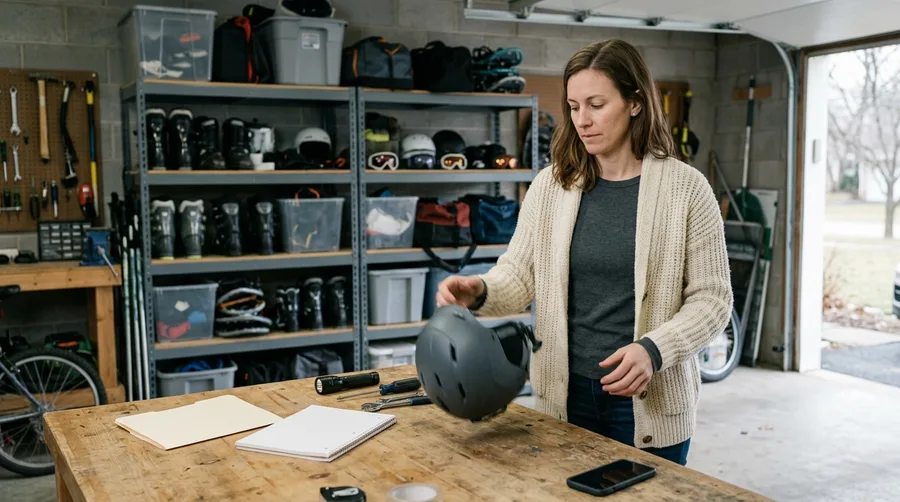
Sell snowblowers in autumn and camping gear in late spring to maximize your return.
Timing your listings to match seasonal demand spikes lets you command top dollar without lowering prices.
12. The Local Pickup Safety Protocol
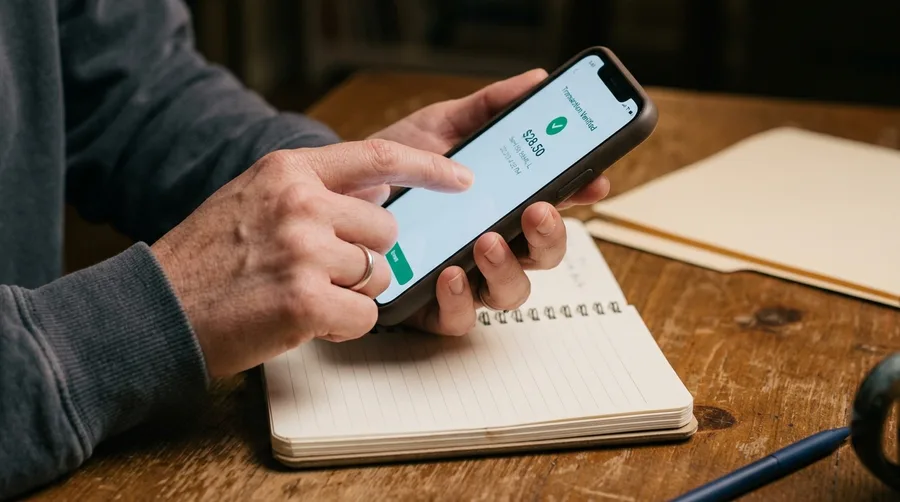
Within ten minutes of listing your item online, the first message might land in your inbox asking to pick it up tonight with cash.
Safety comes before every sale because welcoming strangers to your front porch for a $200 blender or an old set of golf clubs introduces risks that no side income is worth.
Always arrange local cash pickups in neutral, well-lit public spaces like grocery store lots or designated safe exchange zones right outside your local police station.
Never share your home address or invite unverified buyers inside to test heavy furniture or high-value electronics.
Keep transactions completely simple by accepting exact cash amounts or verifying instant peer-to-peer digital transfers on your screen before you hand over the item.
13. Weighing Shipping Hassles Versus Local Cash
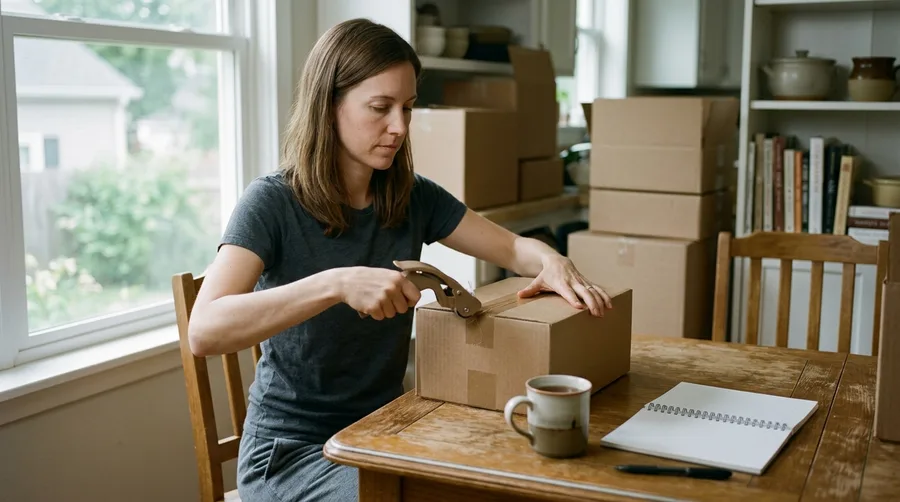
Keep bulky goods local to avoid steep carrier fees and packaging headaches.
Shipping heavy items eats into your profit margins quickly when boxes, tape, and postage start adding up. It is often better to accept $20 locally than $40 online after paying $15 for shipping and wasting an hour at the post office.
The trade-off is real: local buyers can be flaky and demand meetups, but you keep every dollar of cash in hand without waiting for payouts.
14. Reframe How You View Old Possessions
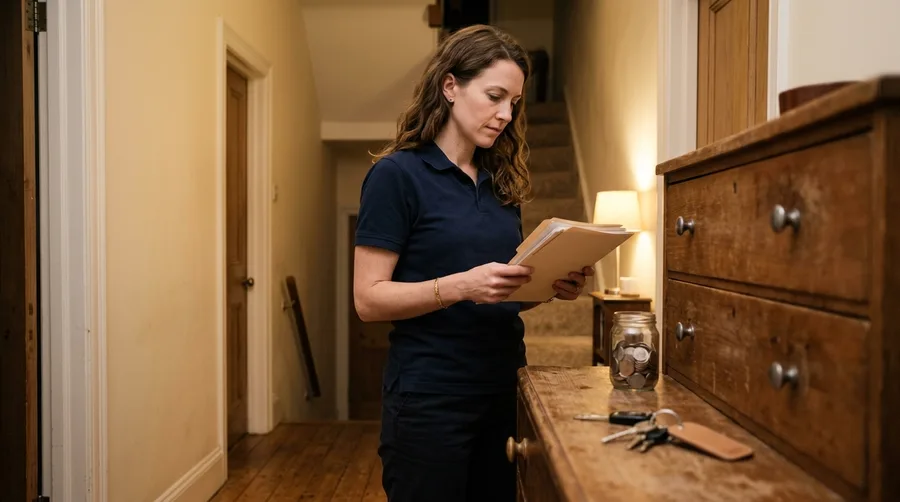
You look at that stack of unused gear in the corner and just see annoying clutter you never got around to clearing out.
It is easy to treat those items as permanent fixtures of your home, letting quiet guilt keep you paralyzed because you spent hard-earned money on them years ago. Keeping unused items does not preserve their value or bring you actual utility; it only traps capital that could be actively working for your household right now instead of collecting dust.
What looks like worthless old stuff is actually locked-up cash waiting to be converted into a liquid fund for your current budget and goals.
When I finally cleared out my old electronics and extra kitchen gear, turning that dead inventory into $350 of liquid funds gave my emergency cushion the exact jump-start it desperately needed. Take fifteen minutes today to pull just three unused items out of the corner, wipe them down, and photograph them for sale.
Unlock your cash today.
15. Avoiding Counterfeit and Scam Pitfalls

Scammers target online sellers with fake payment confirmation screenshots.
Never ship any item until the funds show up as available balance in your actual bank account or platform wallet.
If a buyer insists on strange payment methods or overpays with checks, walk away immediately.
Protecting your hard-earned money matters more than closing a single quick sale.
Trust your instincts when something feels off.
Stick strictly to established platform checkouts and verified cash exchanges to keep your side hustle safe and profitable.
Frequently Asked Questions
How much can I realistically make selling items from my garage?
Earnings depend on what you own, but many sellers clear several hundred to a few thousand dollars in their first few months by clearing out old gear, tools, and unused furniture.
What are the best platforms to use for local sales?
Local community marketplaces and dedicated peer-to-peer apps work best for bulky items like furniture and exercise equipment because you avoid high shipping costs.
How do I price items I am unsure about?
Always look at completed and sold listings rather than active asking prices to see what buyers are actually paying for similar items in your region.
Is it safe to meet local buyers?
Yes, as long as you stick to well-lit public meeting places like police station exchange zones and conduct transactions during daylight hours.
What should I do with items that do not sell?
If an item fails to attract buyers after thirty days, reduce the price slightly or move it to your local donation center to reclaim your garage space.
Your First Step This Week
You do not need to clean out your entire garage by Friday afternoon to make this work.
Pick one box, take three clear photos, and list your very first item before you close this tab.