
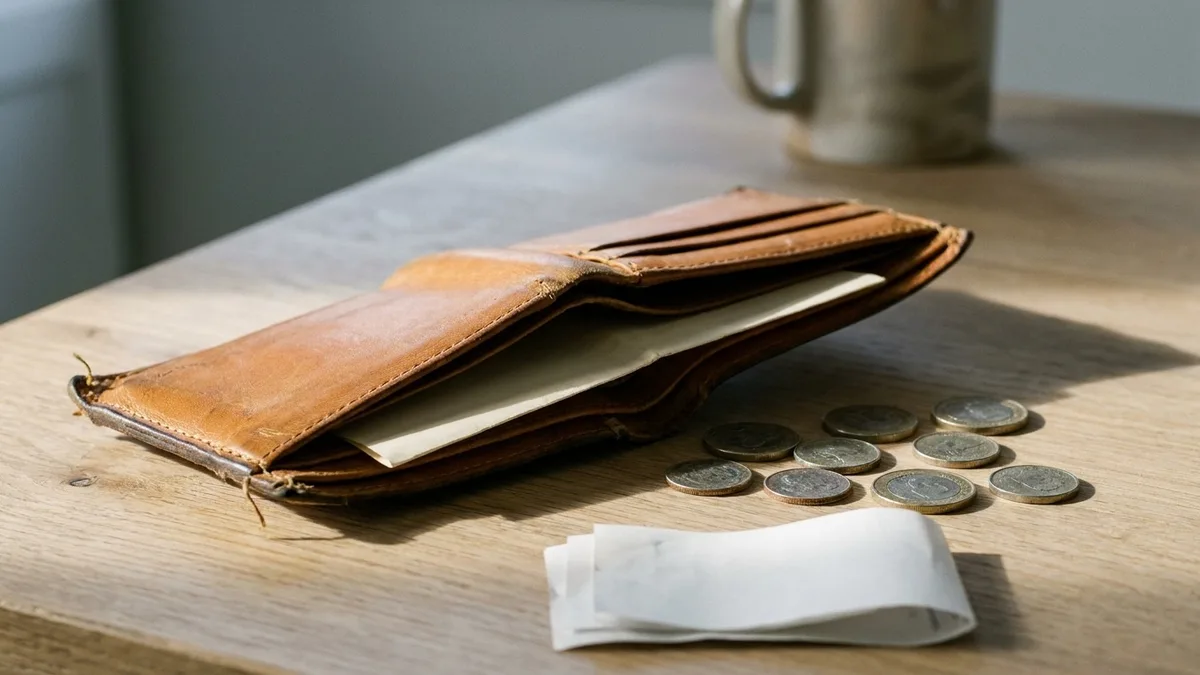
Thirty-one dollars. That is one dinner ordered in, once, and most people would call it a treat rather than a leak. Twice a week makes it $3,223 a year.
Two weeks into the pay period the balance is in double digits and nothing in the house explains it. No trip, no broken appliance, no single big purchase you could point at.
The money went nowhere visible because every loss was under $40, and none of them ever felt like a decision. That is the shape of it.
Eight repeated choices, each with a yearly price on it, is the whole story: the $6 coffee, the $15 lunch, the $2.50 snack. Every one has a swap that costs a habit but not a pleasure.
Rank the eight by the yearly numbers below, change the one that matters first, and check the following statement. No spreadsheet, no full budget.
The Yearly Damage at a Glance
The daily spend you barely notice
These are the purchases you make by hand, in the moment, without thinking. They feel too small to matter, but they repeat more often than almost any other expense.
The problem is not the coffee or the snack itself. It is the autopilot. When you buy something because it is a habit rather than a decision, the cost adds up in the background while you are not looking.
You do not have to give these up entirely. You just have to turn the default into a choice.
1. The automatic $6 coffee is $2,190 a year
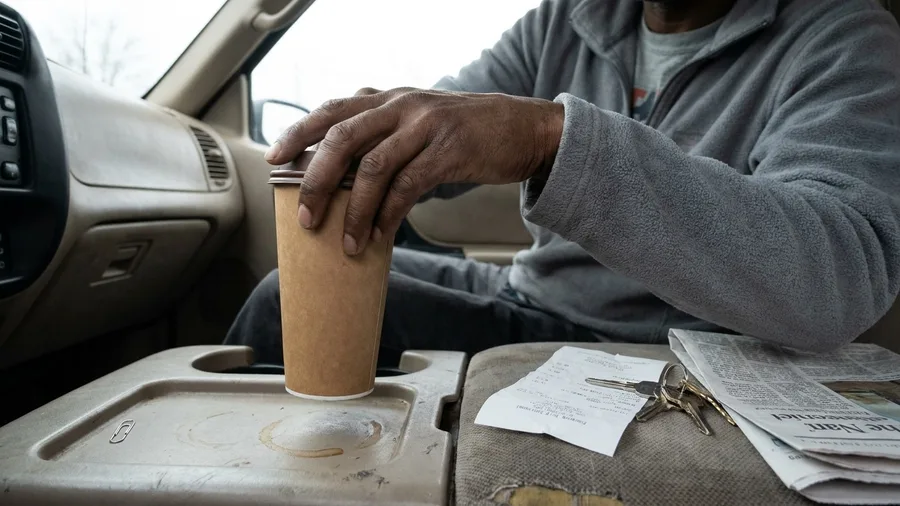
It is 7:40 in the morning, the line is six deep, and the card is already out of your pocket before you have decided anything. That is the part worth naming: this was never a choice made at the counter. It was a groove worn into the morning, and the money left along the groove.
So put a year on the cup. Six dollars a day, 365 days, is $2,190 a year. Read in the queue it is a coffee. Read across twelve months it is a used car, or a real chunk of an emergency fund, or the balance that keeps going onto a card at the end of the month. Same cup, same taste, one number that finally explains where the balance went.
The habit is not coffee. A $6 cup picked out on purpose, on a slow Sunday, from a place you like, is a treat and nobody needs to touch it. The leak is the cup bought because the clock says 7:40, ordered with no thought past the register. One is a decision; the other is a default wearing the costume of a routine.
The way to spot your own version is in frequency, not size. Pull up last month's statement and search for the coffee charges. If one shop shows up more than four times a week, that is the autopilot cup, regardless of whether it costs $4 or $7. The size tells you what to swap; the count tells you whether there is anything to swap at all.
Here is the smallest version that still works. Brew at home twice a week and buy the cup the other three days, unchanged. Two skipped cups a week is 104 a year, about $624 kept, and your morning drink on the days you buy it tastes exactly the same. You have not quit coffee. You have made two of the seven days a decision again.
People who hold the line do it with a rule set before the week starts, not a decision made in the queue, unlike high earners who stay broke. A standing weekly cap, or a home-brew default with one bought cup as the exception, both work because they move the choice to a calm moment when you are not standing under a menu board.
If $624 sounds too small to bother, notice that it is the same arithmetic at every price point. This is the cheapest single unit on the whole list, which makes it the easiest place to prove the math to yourself. Start with two days a week. The other five can stay exactly as they are.
💡 Tip: Set a weekly coffee budget and track it. If you hit the limit by Thursday, switch to the office machine or home brew for the rest of the week.
| Habit | Typical cost | How often | Yearly cost |
|---|---|---|---|
| Coffee | $6 | Daily | $2,190 |
| Work lunch | $15 bought vs $4 packed | 250 workdays | $2,750 extra |
| Corner-store snack | $2.50 | Daily | $912.50 |
| Delivery dinner | $31 per order | Twice a week | $3,223 |
| Subscriptions | $15.99 per service | Five services | $959.40 |
| ATM fees | $6.50 per withdrawal | Twice a week | $676 |
| Grocery extras | $40 per trip | Weekly | $2,080 |
| One-click buys | $35 | Weekly | $1,820 |
2. The $15 work lunch costs $2,750 a year

Pack lunch three workdays a week and buy it the other two. A packed lunch costs about $4 against $15 bought, so every packed day holds back $11, and at 250 workdays a year the all-bought version runs $2,750 more than the packed one. This is where the arithmetic stops being a rounding error. A coffee's yearly total is easy to shrug off; the same math at fifteen dollars a meal, repeated because the team is walking over, is the biggest quiet drain in an ordinary week.
The honest trouble is that the $11 gap is not really about the sandwich. Lunch is a shared ritual. Colleagues head out together, the walk is the only break before 3 p.m., and the charge starts to feel like the price of belonging rather than a spending choice. A team lunch or a real hour away from the desk can absolutely be worth the $11, and skipping it to save money can cost more in a week than it saves if the alternative is eating alone at a keyboard.
So keep the social lunches and treat the default five-day bought lunch as the thing to change. The default is what you are packing against. Count how many workdays last month carried a lunch charge, then multiply that number by $11. If it was 18 days, that is $198 of your own month's leak, in a figure you can check against your own statement.
Packing three days a week saves about $1,650 a year, and it costs you an evening of prep and a lunch you have to remember to bring. That is the trade. If three is too many to start, two still saves around $1,100, and the two shared lunches you keep are the ones that actually matter.
The rule is a weekly plan made Sunday, not a hallway decision at 12:15. Pick the days you buy, pick the days you pack, and let the plan hold both.
3. Corner-store snacks and drinks add $912 a year
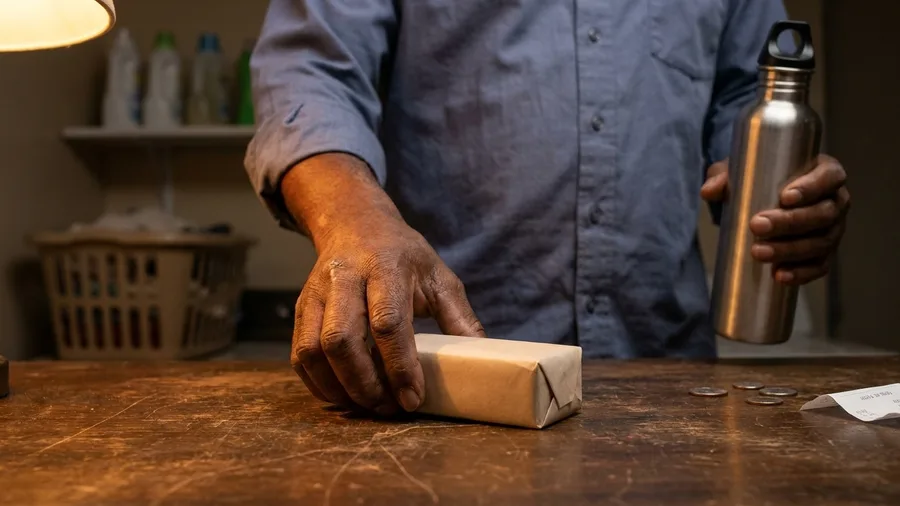
Count every $2 to $4 card charge on last week's statement, then do it again next week. That tally is the habit, and it costs more than a year of coffee habit because these purchases repeat more often than almost anything else in the day. A snack and a drink at $2.50 a day, 365 days, is $912.50 a year. It is the most invisible spend in your day because it never reaches the size where you would call it a decision.
A lunch at least asks you a question once a day with a price you can see. A $2.50 snack skips the question entirely, which is why it hides better than a bigger habit. If you work a shift where the corner store is the only food within reach, the fix is a bag packed the night before, not a skipped meal.
The clock matters here. Every week you leave it alone, $17.50 leaves with it, and the swap is one refillable bottle and a $1 snack from home, about $550 a year kept if you take the $1.50 meal most of the time. This month's leak is already set by last month's habits, so the next seven days are the cheapest window you will ever have to break the loop.
How Much Each Habit Hurts Over a Year
Position on the scale reflects yearly cost — not how often you do it
- Corner-store snacks: $912 a year — small but constant
- ATM fees: $676 a year — death by a thousand withdrawals
- Subscriptions: $960 a year — forgotten but billing
- One-click buys: $1,820 a year — the pause removed
- Delivery apps: $3,223 a year — the biggest leak
Convenience that costs more than it saves
These are the purchases that arrive through a screen or a service. They are designed to be easy, and they are. That ease is exactly what makes them expensive.
You do not see the extra fees and charges until you add them up. The fix is not to swear off convenience. It is to notice when convenience has become the default.
4. Delivery apps turn an $18 dinner into $31
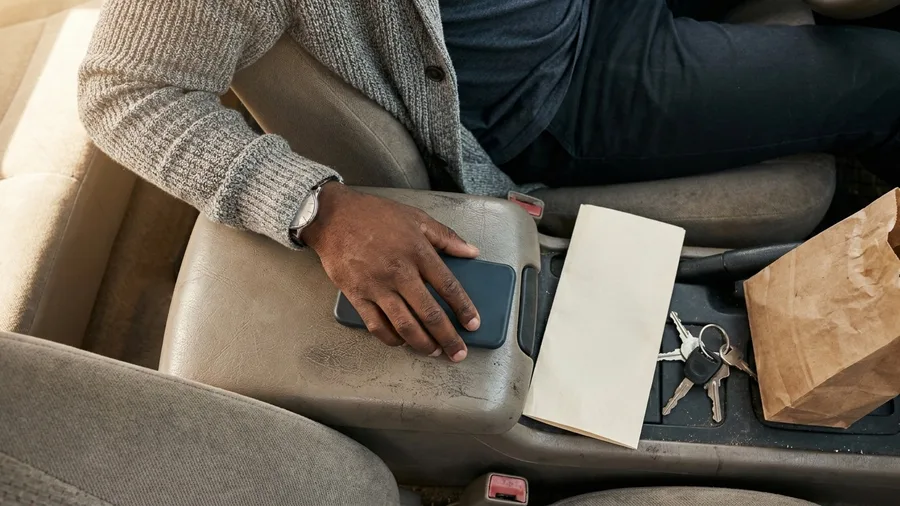
Thirty-one dollars. That is what the entree listed at $18 rings up as once $4.99 delivery, a $3 service charge and a $5 tip stack on top, so $13 in overhead rides along before anything reaches the door. Do that twice a week and it runs to 104 orders and $3,223 a year, which is a car payment scattered across a lot of ordinary Tuesdays.
The order that deserves a pass is the one on a sick day or after a twelve-hour shift. The default is the Tuesday-and-Thursday order that happens because nobody decided what dinner was, and that is the line the concrete move targets. Before you cancel a single app, open last week's orders and write down what set each one off: an empty fridge, a late finish, plain boredom. The trigger is the thing you are actually buying.
Then plan two easy meals into the nights that usually order out, and let the app keep the rest. Two planned dinners a week hold the extra delivery spend near $1,000 a year instead of past $3,000, and nothing about a bad week gets taken off the table.
5. Five forgotten subscriptions quietly cost $960 a year

Five services at $15.99 a month come to $79.95 monthly, which adds up to $959.40 over a year. That is vacation money, and it never once shows up as a purchase you remember making.
The reason it hides is the shape of the statement. Each charge looks like a few dollars on its own, and no two of them land near each other, so the total never appears anywhere on the page. A music service you play daily and a work tool you open every morning are good value. What leaks is the forgotten bundle, not every subscription you own.
So take willpower out of it entirely. Open last month's statement, search for recurring charges under $20, and read the list cold. Cancel one you have not opened in weeks this week, right then, while the statement is still on screen.
Then set a calendar reminder for 30 days out, with the names of the remaining services in the note, and leave them alone until it fires. The reminder does the reviewing, so you are not counting on remembering to check, which is exactly what failed the first time. One date on a calendar replaces the whole chore.
💡 Tip: Use a subscription tracker app or a simple spreadsheet to list every recurring charge. Review it quarterly.
⚠️ COMMON MISTAKE
The $3.50 mistake you make twice a week
Out-of-network ATM fees are $3.50 from the machine plus $3 from your own bank — $6.50 per withdrawal. Twice a week is $676 a year. Use in-network ATMs or get cash back at the grocery store.
6. Out-of-network ATM fees cost $676 a year
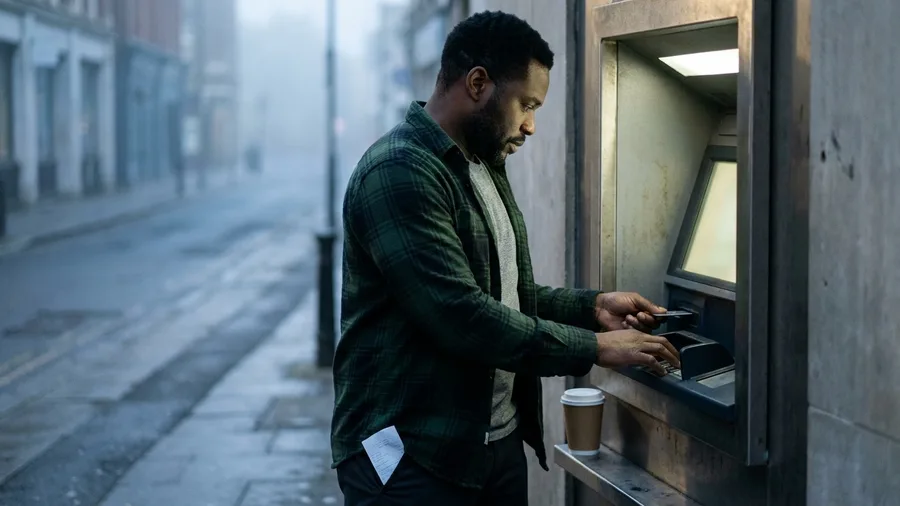
The common belief is that a $3.50 fee is too small to bother with, and that finding your own bank's machine is a hassle not worth the drive. It is $3.50 from the machine plus $3 from your own bank – $6.50 to use someone else's cash. Twice a week is $676 a year.
It shows on the statement as a separate small line, never as part of the $60 you meant to take out, so it never feels like spending. Count those lines on last month's statement – each one is $6.50, and the count multiplies straight into a year. You do not have to give up cash to fix this. If you rarely use it, the move is a no-fee account or $20 cash back at the grocery store, not driving across town hunting a machine.
And if you only get halfway? Every withdrawal at an in-network machine is a full $6.50 kept. That counts too.
The List vs. No List Grocery Run
With a list
- Planned meals for the week
- Fewer impulse buys
- One trip, fewer forgotten items
- Budget stays on track
Without a list
- Unplanned extras add up
- Second trip for forgotten items
- More food waste
- $40 extra per trip on average
7. Shopping without a list adds $40 to every trip
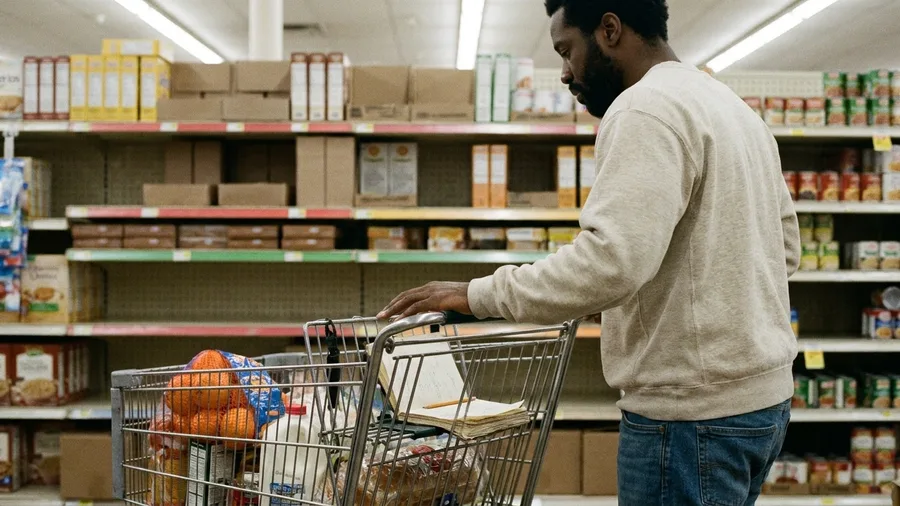
I once walked into a grocery store for milk and eggs, fell for every grocery store trick, and walked out $73 lighter, with a bag of sesame crackers I never opened sitting in the pantry a month later. Nothing on that receipt was a mistake in the moment. It was just a cart that filled itself, one small extra at a time, with no list to argue with.
That is how a $40 unplanned markup lands on a weekly trip without a single big purchase to point at: the marked-down cheese, the two-for-one, the snack near the register. Forty dollars a week is $2,080 a year, and almost none of it was a decision anyone remembers making. The expensive trip, though, is usually the second one, the quick return for the three things the first trip forgot, made with no list and a loose plan to just grab those items.
a flexible list still lets you buy what looks good. A list is not a cage. The leak is the unchecked cart and the return run, not the freedom to grab a good peach. If you only change one thing, shop after a meal and build the list around three planned dinners. Three dinners, not seven. Seven is a fantasy you will abandon by Tuesday.
Want the real number? Pull last week's receipt, print the list you meant to follow, and circle every item that was not planned. The circled total is your weekly leak, in your own handwriting, no estimate required.
📅 Your First Week: From Autopilot to Decision
Day 1: Check your statement
Look for one recurring charge that surprises you.
Day 2: Pick one habit
Choose the coffee, lunch, or subscription that stings most.
Day 3: Set the swap
Decide the replacement: brew at home, pack lunch, cancel a service.
Day 4-6: Try it
Follow the new rule for three days straight.
Day 7: Compare
Check the next statement to see the difference.
Autopilot charges and impulse
These are the charges where the act of paying has been removed altogether. No cash, no card swipe, no pause. Just a saved card and a one-click button.
The pause between wanting and buying is the only budgeting most people ever do. When that pause is gone, so is the budget.
8. Late-night one-click buys add $1,820 a year
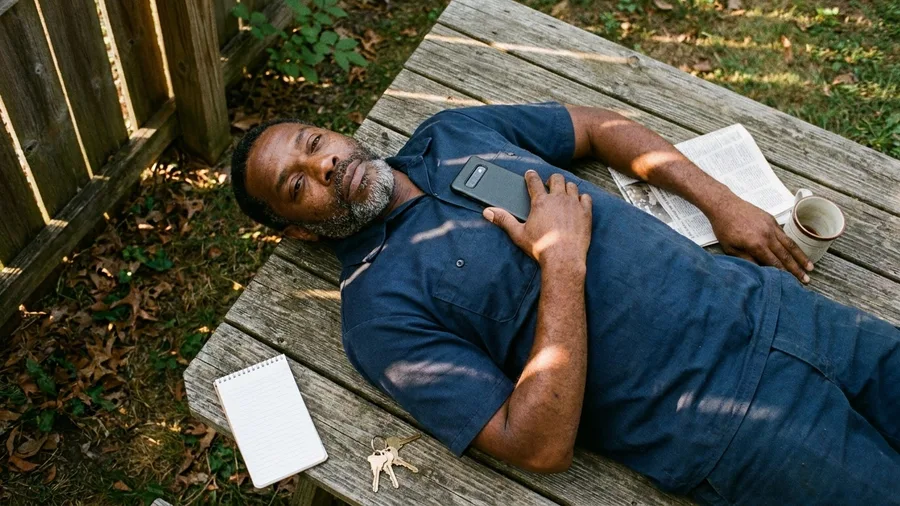
You are not bad with money because you bought something at 11 p.m. You are up against a button built to make buying feel like nothing at all, and that is a design problem, not a character flaw. The groceries still make you walk the aisles and push a cart. This one skips all of it: a want at 11 p.m. becomes a purchase in two taps, and the box is on the porch before the statement catches up.
The mechanism is the pause. A saved card deletes the gap between wanting and buying, and that gap is the only budgeting most people ever do. Thirty-five dollars once a week is $1,820 a year, spent in the exact moment your judgment is tired and the cart is one thumb-tap away. A treat you decided on at noon is fine. The trap is the cart nobody remembers filling.
So find your retailer. Look at last month and see which one you bought from more than three times, because that store is where your pause was removed. Then take that back: delete the saved card from the app. Make it so buying requires typing sixteen digits, and put a 24-hour rule on any cart over $25. Most of those carts close themselves by morning.
You are not giving up shopping. You are putting one small speed bump between the want and the tap, and that speed bump is worth about $1,820 a year.
Myth vs. Fact: The Habits That Keep You Broke
Frequently Asked Questions
Is it too late to fix my spending habits?
It is never too late. The first step is awareness. Pick one habit from this list, try the swap for a week, and see how it feels. You do not have to change everything at once.
Which habit should I tackle first?
Start with the one that surprised you most when you saw the yearly cost. That is usually the one you are ready to change. For many people, it is the coffee or the work lunch.
Do I need to cut out all small purchases?
No. The goal is to turn defaults into decisions. A $6 coffee chosen on purpose is fine. The problem is the automatic one. Keep the treats you love, and swap the ones you do not notice.
How can I track my spending without a full budget?
Pick one habit and track it for a week. Use a notes app or a piece of paper. Just write down every time you do it and the amount. At the end of the week, multiply to see the yearly cost. That is enough to start.
What if my income is too low to save anything?
A budget cannot fix an income that is too low. But small swaps can still free up cash. Start with the $2.50 snack or the ATM fee. Even $20 a month is a start. If you are struggling, a nonprofit credit counselor can help you make a plan.
The one habit to check first on your next statement
Open last month's bank statement and highlight the single recurring charge that surprises you most. Apply only that section's swap for seven days, then compare the next statement. One line, one week, one number.
The paycheck that vanished with nothing to show now has a name on it, and it was sitting in the statement all along. None of this needs a budget or a spreadsheet. Each of the eight is a default, and a default is changed by a rule you set once, not by willpower you spend every day.
You were never bad with money. These eight were built to be invisible, and the first one you actually see stops being one. Thirty-one dollars was never the problem. Thirty-one dollars twice a week, unseen, was.
Ready to find your biggest leak?
Open your bank statement now and highlight one charge that surprises you. Try the swap for a week and see the difference on your next statement.