

You look at your bank account at the end of the month and wonder where the money went.
It is easy to feel like you are failing when grocery bills and utilities keep climbing, but spending habits are often built on autopilot rather than actual choices. Plenty of households quietly dropped dozens of minor purchases this year and found they did not miss a single one of them. You do not need to overhaul your entire life by Friday to see a difference.
Here are twenty common expenses frugal families cut out completely, along with the straightforward replacements that kept their routines intact.
Quick Tips Before You Start
Audit One Category
Look at bank statements from the last thirty days and pick just one recurring expense to eliminate.
Wait Forty-Eight Hours
Put any non-essential item in your online cart for two days before completing the purchase.
Inventory First
Check your pantry and closets before making a grocery or household supply run.
1. Single-Use Cleaning Wipes

About 60 percent of households rely on disposable disinfecting wipes for quick kitchen cleanups, spending roughly $40 a year on simple convenience.
That cost feels small until you realize you are paying for mostly water and a thin sheet of synthetic material that goes straight into the trash after thirty seconds of use.
Switch to washable microfiber cloths and a bottle of all-purpose cleaner to cut this ongoing recurring cost down to nearly zero over the course of a year.
Talk to a fee-only financial planner if your overall debt strategy feels overwhelming, but for simple household supply swaps, you can easily make this change today.
⚠️ COMMON MISTAKE
Don't Cut Every Convenience at Once
Trying to eliminate every small comfort in the first week usually leads to burnout and a larger spending rebound. Pick two things to drop and let them become normal before changing anything else.
2. Pre-Cut Produce and Packaged Snacks

You have probably been told that buying pre-cut vegetables is the only way busy working parents manage to feed their families healthy food.
That is a clever grocery store marketing myth designed to charge you an astronomical markup for labor you can easily handle on a Sunday morning.
I spent nearly $25 extra a week on individual snack packs, bagged baby carrots, and pre-washed salad greens when my work schedule got hectic last winter.
The mechanism here is pure convenience tax, where stores charge double or triple per pound because someone else ran a knife across the celery.
Once I tracked the actual waste and the monthly cost, portioning out whole carrots and bulk produce saved me about $100 a month.
This week: buy two whole vegetables instead of the bagged version and spend ten minutes washing them right when you get home.
Grocery Convenience Verdicts
- 🟢 Bulk whole grains and dried beans — Unbeatable value and long shelf life.
- ⚠️ Store-brand frozen vegetables — Check prices per ounce against fresh options.
- 🛑 Pre-cut fruit and salad kits — Massive markup for very little time saved.
3. Brand-Name Prescription Over-the-Counters
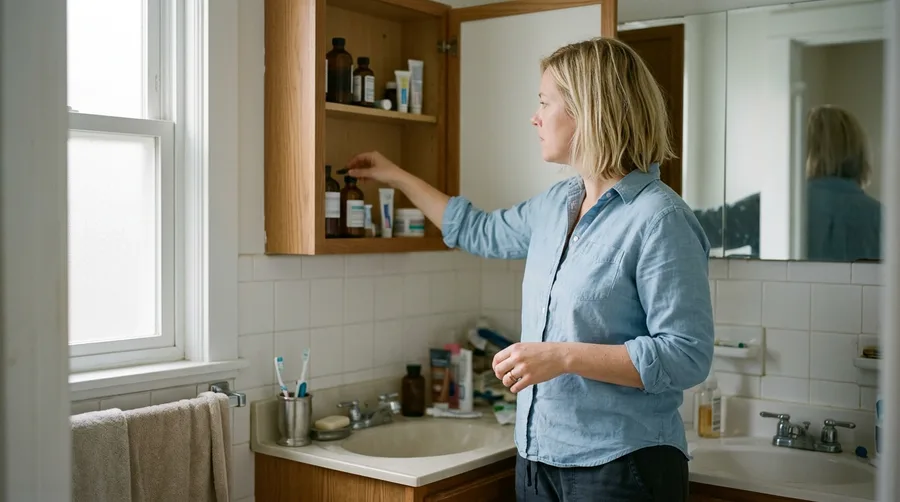
The active ingredient in name-brand pain relief is legally identical to the generic store brand sitting right next to it on the shelf.
With medical costs rising across the board this year, spending an extra $8 to $12 per bottle for a familiar logo is a tax on comfort you simply do not need to pay.
Check your medicine cabinet this week and swap your staples to store-brand generics immediately to pocket the difference on every single refill.
Generic Swaps — The Numbers & Exceptions
📜 FDA Rule
Must contain exact same active dose within 80-125% variance limits
⚠️ When to Skip
Time-release capsules with specific delivery coatings where generic binders differ
🔍 Where to Check
Look for the pharmacist-verified USP seal on the back label
The Catch
Inactive fillers can differ; check for allergen triggers like lactose or dyes if you are sensitive.
4. Streaming Service Overload

Cancel three of your four active streaming platforms right now and keep just one.
Most households are bleeding upwards of $60 a month on recurring entertainment charges for content nobody has watched since last winter.
That quiet leak adds up to over $700 a year sitting in a corporate bank account instead of your own.
The mechanism here is simple cash flow neglect, where convenience beats intention because automatic monthly billing hides the actual cost from your awareness.
You do not owe loyalty to a media conglomerate, and you certainly do not need to fund their entire catalog year-round just in case a new season drops.
Rotate your subscriptions one at a time instead by keeping a single service for two months, cancelling it cleanly, and then activating a different one for the next block.
This simple rotation cuts your annual entertainment spending directly in half while forcing you to actually watch what you pay for rather than scrolling endlessly.
You have total permission to scale this back completely and keep just one platform active for family movie night without feeling like you are missing out on the cultural conversation.
💡 PRO TIP
Save Your Credit Card Info
Delete saved credit card numbers from your browser and shopping apps. Having to get up and type the 16-digit number manually gives your brain enough time to reconsider unnecessary purchases.
5. Bottled Water for Daily Home Use

I used to keep three cases of water bottles stacked in my pantry because I genuinely believed our tap water tasted like a swimming pool, and buying them felt easier than fixing the problem.
Sound familiar?
Purchasing purified water bottles for everyday hydration costs many households around $300 to $500 annually while turning your garage recycling bin into a mountain of crinkling plastic.
The mechanism here is convenience markup, where you are paying a massive premium mostly for packaging, shipping weight, and single-use marketing rather than the water itself.
What I believe now: clean water at home is a utility, not a luxury grocery item you need to haul in heavy plastic packs every single week.
Install a simple under-sink carbon filter or buy a standard pitcher filter for about $30 to $50 upfront, and you will get crisp, great-tasting water for a fraction of a cent per gallon moving forward.
🌱 GROWING TIP
Test Your Tap Water First
Check your local water quality report online before buying expensive filtration systems. A basic pitcher filter is usually all you need to remove chlorine taste and odor.
6. Single-Use Coffee Pods

Giving up your morning single-serve pods feels like you are losing the one small luxury keeping you sane before the kids wake up.
You are not.
Single-serve coffee pods cost up to four times more per cup than buying whole beans and grinding them yourself at home.
you are paying heavily for the tiny plastic packaging and the patented machinery upkeep rather than the actual coffee beans inside the cup.
When you add up convenience markups over thirty days, those little pods quietly drain $30 to $50 a month straight from your grocery budget.
Aim for a standard drip machine or a simple French press if you want to slash your morning caffeine expenses without sacrificing your taste or your daily ritual.
The honest trade-off is spending three extra minutes washing out a coffee basket instead of tossing a plastic cup into the bin, but your wallet will notice the relief immediately.
This week: buy one bag of whole bean coffee, use a standard maker or a reusable metal filter pod, and test the difference on Monday morning.
Morning Coffee Cost Breakdown
Comparison of monthly spending for a two-person household
7. Paper Towels for Every Mess
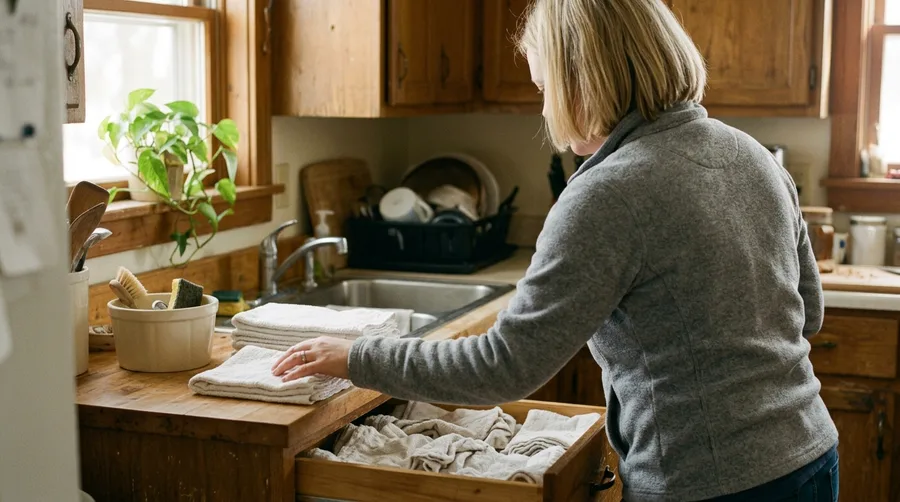
How much do you actually spend on paper products every year just to wipe up water spills and dust counters?
Most households burn through roughly $150 to $200 a year on paper towels alone, treating endless rolls of processed wood pulp as a cheap, disposable reflex for every minor kitchen mishap.
The fix is not about practicing superhuman restraint every time a toddler spills juice.
Set up a dedicated basket of cheap cotton bar mop towels under the kitchen sink to replace paper towels for ninety percent of household wiping.
It takes a week to get used to tossing dirty rags into the laundry instead of the trash can, but you will stop buying paper towel packs entirely and save around $15 a month without feeling deprived.
Cloth Wipe Options — The Upkeep Breakdown
8. Dry Cleaning for Everyday Workwear
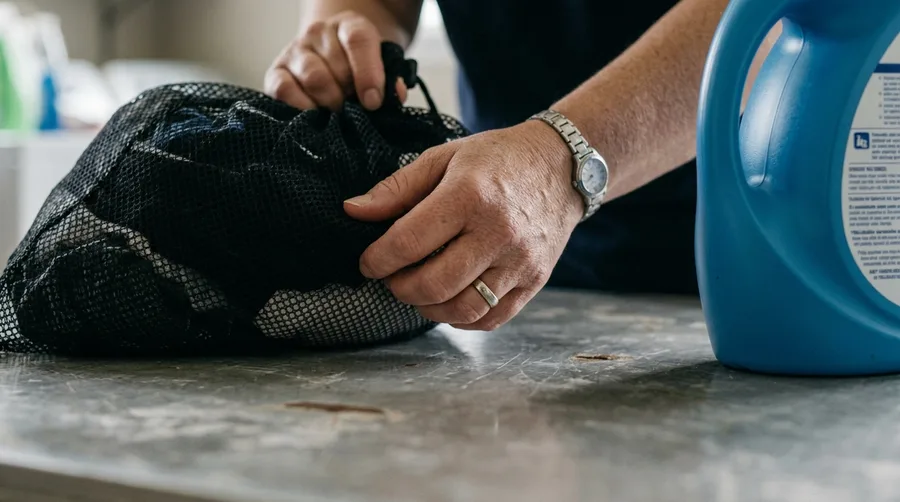
Dropping off work clothes at the dry cleaner every week feels like a necessary tax on having a professional job.
That weekly run drains $30 to $50 out of your checking account for garments you could easily wash at home.
The trade-off is real: you actually have to learn how to read fabric care labels and spend ten annoying minutes hand-washing or loading mesh garment bags.
Most cotton blends, wool sweaters, and synthetic trousers do fine in cold water on gentle settings if you air dry them flat, keeping that cash in your pocket.
9. Specialty Workout Classes and Apps

You might feel like dropping the boutique studio membership or the digital workout app means you are giving up on your health, but keeping a subscription you barely touch is just an expensive guilt tax.
Look back at your last three monthly credit card statements and highlight every recurring wellness charge that auto-renewed without you opening the app once.
Most people keep paying $40 or $50 a month because cancelling feels like admitting defeat, even when free options like running outside or using bodyweight routines would get the exact same results.
Set a calendar reminder to check these subscriptions every six months so your fitness spending stays tied to actual habits instead of good intentions.
Take five minutes right now to log into your account and cancel whatever you have not used twice in the past month.
10. Brand-Name Cleaning Chemicals

It feels easier to trust a brightly colored bottle promising a streak-free shine on every single surface in your house.
The truth is you are mostly paying for water, heavy plastic, and marketing markup instead of active ingredients.
Swap out the specialty shelf for a $2 bottle of white vinegar, a splash of dish soap, and a box of baking soda that cleans just as well for pennies a week.
I spent years buying separate sprays for the glass, the counters, and the tub before realizing they all smelled like fake lemons and did the exact same job.
Under the sink, clear out everything except those three basics this weekend and watch your household supply spending drop by roughly $30 a month.
11. Fast Fashion and Trendy Wardrobe Staples

The myth is that you need a brand-new outfit for every event or social media post to feel put together.
Even $25 a month spent on cheap seasonal clothing from fast fashion sites adds up to $300 a year for items that fall apart after three washes.
The mechanism here is the replacement cycle trap where buying cheap garments more frequently actually costs more than investing in single durable items over time.
Build a capsule wardrobe of durable, classic pieces that mix and match easily, and stop chasing weekly micro-trends entirely.
This week: audit your closet and pick three versatile foundational pieces you can wear repeatedly without second guessing.
12. Unused Magazine and Digital Subscriptions
A simple three-bucket cash flow system helps you track where every dollar goes before month-end panic sets in.
separate your fixed bills, your debt payments, and your flexible spending into distinct accounts so your money has a job the second it hits your bank.
Digital news sites, cooking magazines, and software trials often linger on bank statements for months after you stop reading them, quietly draining $10 to $20 each month without you noticing.
The system works because automation and clean separation remove the friction of remembering to cancel free trials before they bill your card, protecting your cash flow from silent leaks.
I used to bleed about $45 a month on forgotten apps and digital reading trials until I set up a dedicated checking account just for subscriptions with a strict $0 overdraft limit.
Set aside fifteen minutes this weekend to audit your transaction history and cancel every digital subscription you have not used in the past thirty days.
This week: open your banking app, search for the word subscription, and cancel at least two recurring charges that are currently taking up space in your budget.
13. Pre-Packaged School Lunches and Snacks
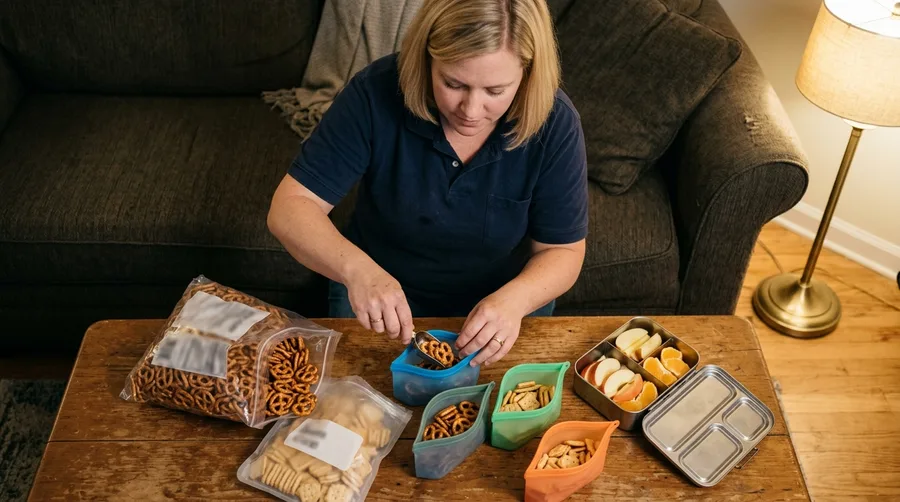
Nearly triple is what you pay when convenience comes in single servings.
Buying individual cheese sticks, chip bags, and pre-packaged lunch kits for kids drains grocery money faster than almost anything else in the cart, mostly because you are paying for the plastic packaging and the factory labor rather than the food itself.
The mechanism is simple volume leverage: buying bulk staples and dividing them at home shifts the margin from the manufacturer back to your own checking account.
Spend just ten minutes on Sunday evening dividing large economy bags of pretzels, crackers, nuts, and cheese blocks into reusable silicone snack bags or small containers.
This small habit saves around $40 a month while drastically reducing single-use plastic waste in school lunchboxes, and honestly, the kids often prefer picking their own portions anyway.
Next Sunday, open one bulk bag and portion out five days of snacks before you sit down on the couch.
14. Impulse Convenience Store Grocery Runs

Stop running to the corner store for single ingredients mid-week.
Those quick fill-in grocery trips easily add $30 or $40 of impulse snacks and convenience markups every single time.
You do not have to achieve zero convenience runs by next Tuesday.
Just aim to cut them in half this month by planning meals around what is already in your pantry.
Keep a running grocery list on your refrigerator door so everyone in the house can add items the exact moment they run out.
15. Disposable Air Filters and HVAC Add-Ons
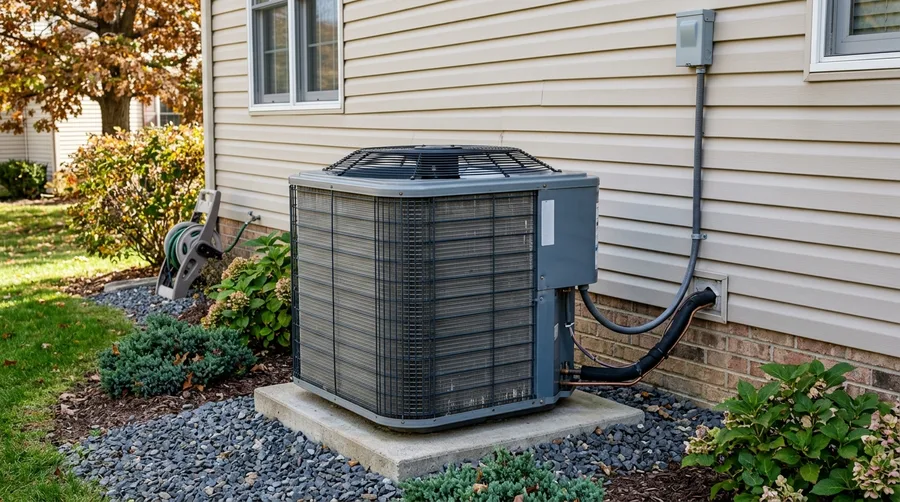
Are you paying extra for specialty air filters covered in heavy fragrance marketing and luxury branding?
Most people grab whatever promises allergen miracles in the brightly colored box, but you are mostly paying for the packaging. Switch to standard pleated MERV 11 filters bought in multi-packs online, which protect your HVAC system just as effectively while cutting the cost down to about $8 to $12 per change.
Set a recurring calendar reminder every ninety days to actually swap the filter out so your system runs efficiently and avoids a $300 repair visit.
I forgot mine for nearly a year once and watched my electric bill creep up before I realized what was choking the airflow.
16. Single-Use Greeting Cards and Gift Wrap

I used to spend an embarrassing amount of money at the local boutique gift shop, grabbing six-dollar greeting cards and matching eight-dollar rolls of shiny wrapping paper for every single birthday on the calendar.
You have probably decided that buying these little extras is just the cost of celebrating the people you love without looking cheap.
Sound familiar?
Spending fifty dollars a year on folded cardboard that gets tossed straight into the recycling bin three days later is an invisible habit that quietly drains your flexible cash.
The mechanism behind this shift is simple supply chain markup: you are paying a massive retail premium for convenience and ink on paper that serves a purely temporary emotional function.
People remember what you wrote inside the card, not whether the heavy-stock paper came from a luxury stationery display or cost six dollars at checkout.
Switch to plain brown kraft paper tied with simple cotton twine for your gift wrapping, and write your personal notes on quality blank cards that you buy in bulk packs for a fraction of the cost.
Keep a small shoe box of blank stationery in your front closet so you are never rushed into buying an overpriced last-minute card when an invitation pops up.
This week: buy a ten-pack of blank cards and one large roll of kraft paper to handle your gift wrapping needs for the next six months.
17. Lawn Care Chemicals and Weed Killers

Spending $30 a bag on chemical weed-and-feed fertilizers eats up close to $150 every single season before you even realize how fast it disappeared.
The trade-off here is accepting a few wild dandelions in your front yard instead of maintaining an expensive, golf-course-perfect monoculture that requires constant artificial rescue.
Mow your grass slightly higher at three inches to naturally shade out weed seeds and save that weekend budget for something that actually matters.
This week, skip the garden center aisle entirely and let your mower do the heavy lifting for free.
18. Unused Landline and Cable Bundles
Are you still paying for a cable bundle or a landline phone you never actually use?
I kept our landline for three years simply out of habit before realizing it cost us $35 a month just to field robocalls. Calling our internet provider to strip it and the TV package down to standalone high-speed service instantly saved us $85 a month.
Call them today and drop everything except the internet you actually need.
19. Designer Greeting Cards and Party Decor

The myth is that a memorable birthday party requires buying hundreds of dollars of single-use plastic banners, custom printed napkins, and themed tableware that goes straight into the trash when the cake is gone.
You do not need to spend $250 on disposable decor to make a child or a friend feel celebrated.
The system we use is a simple three part rotation: one box of neutral reusable cloth bunting, homemade treats instead of custom baker orders, and classic backyard games that cost nearly nothing to set up.
Store the cloth banner in a labeled plastic bin right after the party so it is ready to pull out for the next family birthday, saving roughly $40 to $60 every single time.
Children remember the chaotic joy of musical chairs and the taste of homemade brownies long after the plastic table covers have gone into the landfill, so invest your energy in the memories instead of the retail aisle.
20. Impulse Online Cart Additions

Late-night scrolling makes buying things feel like an immediate cure for a long, exhausting Tuesday.
It is a quick dopamine hit disguised as practical shopping, and retail websites are engineered to let you drop $50 in less than three seconds. The mechanism relies on engineered friction instead of expecting you to have ironclad willpower. By enforcing a mandatory pause between finding an item and paying for it, you let the initial emotional spike wear off completely before real money leaves your account.
I used to wake up to shipping confirmation emails for random items I barely remembered clicking on, staring at my bank statement and wondering where $40 just vanished to every single month.
Set up an absolute rule: never check out from an online store on the same day you find an item. Toss everything into your cart, close the browser tab, and wait forty-eight hours to see if you still care.
Most of the time, you will completely forget it was even there.
Frequently Asked Questions
How do I start cutting expenses without feeling overwhelmed?
Pick just one recurring monthly expense from this list to eliminate this week. Let it feel normal for a few weeks before tackling a second one so you don't burn out.
What if my family resists cutting certain convenience items?
Involve everyone in the conversation and let family members pick which cuts matter least to them. Framing changes around shared financial goals helps get everyone on board.
Is it really worth the effort to replace paper towels and single-use wipes?
Yes, because those small recurring purchases quietly drain hundreds of dollars a year. Switching to washable alternatives turns a constant drain into a one-time setup.
How long does it take to build new spending habits?
Most household routines take about three to four weeks of consistent practice to feel natural. Give yourself grace during the first month as you adjust.
Should I focus on cutting expenses or earning more income?
Do both if possible, but cutting expenses gives you an immediate cash flow increase this month without needing to wait for a raise or a side hustle to take off.
Your Next Step This Week
You do not have to change every habit on this list by Friday to make real progress with your money. Pick just one item that caught your eye, make the switch today, and let that single win build your momentum.
Small, consistent choices compound over time into real financial breathing room.