

You sit at the kitchen table late at night, staring at a stack of supplies that cost more than your last grocery run, wondering if anyone would actually pay for what you make.
The internet tells you to monetize everything you love, but nobody mentions the exact moment a creative outlet turns into an unpaid second job with a terrible boss.
It is possible to make money from a craft without ruining it, and you do not have to quit your day job tomorrow to find out.
Quick Tips Before You Start
Separate accounts
Open a dedicated bank account for your hobby income today.
Track expenses
Log every supply purchase so you know your actual margins.
Protect free time
Keep specific hours that belong only to unmonetized joy.
Price fairly
Cover cost of materials plus time before offering discounts.
1. The pressure to monetize changes everything
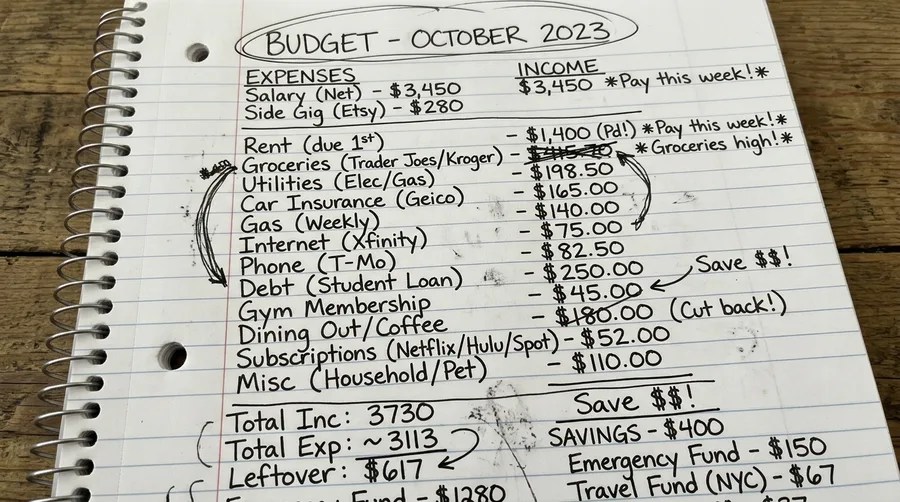
I spent three years telling myself that selling my pottery online would feel like pure freedom, and the first time someone actually paid $45 for a mug, my stomach dropped instead of soaring.
The moment a hobby becomes a revenue stream, the internal math shifts from joy to output.
New belief: You are not ruining your craft by charging for it, but you have to decide which hours belong to joy and which belong to the market before resentment takes over.
⚠️ COMMON MISTAKE
Mixing personal and business funds
Putting your hobby sales into your main checking account makes it impossible to see if you are actually turning a profit or just subsidizing an expensive habit.
2. Tracking every dollar from day one
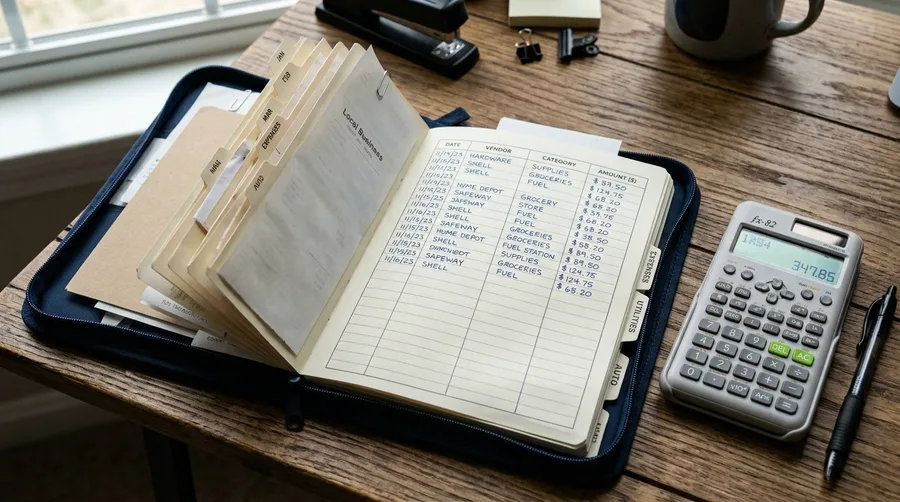
It is completely normal to feel a sudden wave of dread when someone mentions tracking every single business penny, as if you are about to sign up for a lifetime of tedious accounting punishment.
Take a deep breath because nobody is asking you to become a certified accountant overnight.
I spent the first six months selling handmade ceramics without logging a single material cost, blissfully unaware of the financial hole I was digging.
I genuinely thought I was making a solid profit on every forty-five dollar mug until I finally factored in the real expenses like clay, glaze, kiln electricity, and shipping boxes.
When the math finally settled, my actual return was closer to three dollars an hour, which made my hobby feel less like a creative outlet and more like an exhausting unpaid job.
I started a simple spreadsheet tracking every single expense down to the last cent.
It only took about ten minutes a week, but that tiny habit kept me completely honest about whether the venture was actually worth my time and energy.
This week, open a blank sheet on your computer and write down just three categories to track before your next sale goes through.
Expense Tracking — At a Glance
📦 Materials
Track per unit
⚡ Overhead
Utilities & tools
⏱️ Time spent
Hourly estimate
Golden Rule
Never price an item below total material cost plus time.
3. Starting small with twenty dollars
You are staring at a blank workspace, paralyzed by the thought that you need a grand opening budget before you can even begin selling what you make.
You do not need a business loan to test a market.
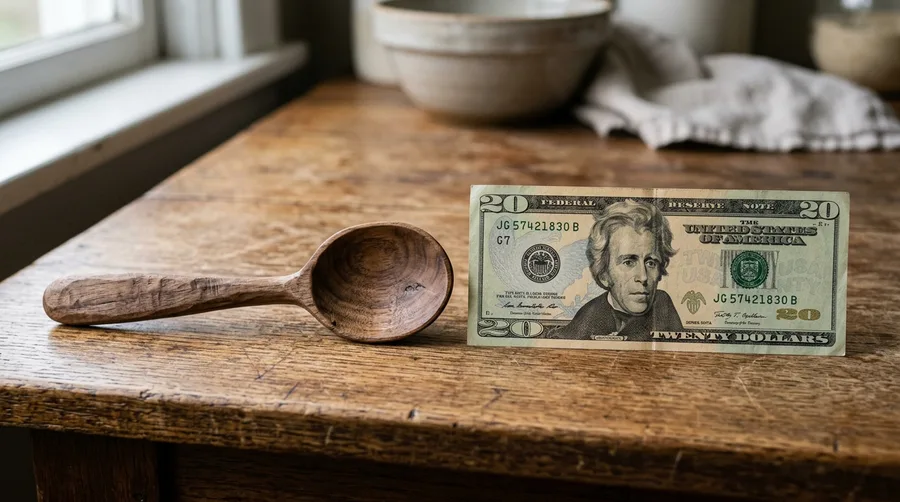
Even $25 worth of initial supplies, bought on purpose and tracked carefully, is enough to launch a small test batch.
Consistency beats a massive upfront investment every single time.
Spend twenty dollars this weekend on raw materials, list your first three items online, and see what happens.
Best For Small Tests
4. Scaling back when burnout hits
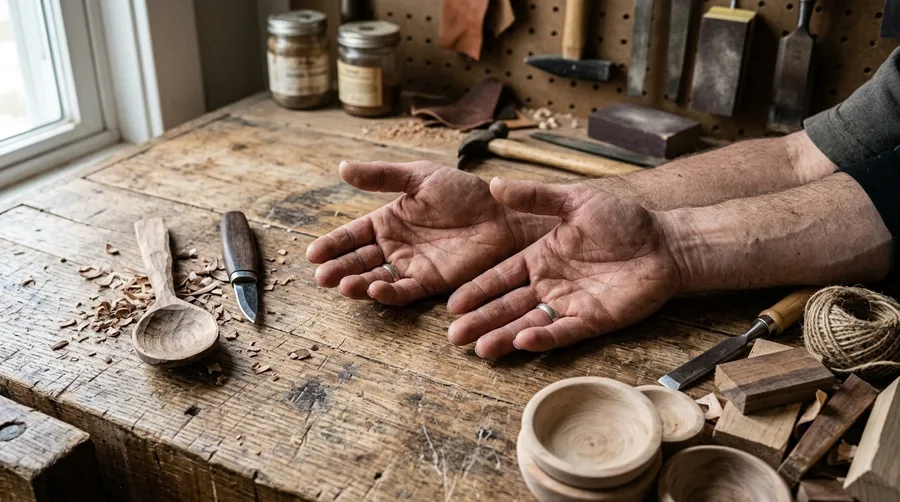
Cut your active client slots down to two or three a month until the heavy feeling in your chest lifts.
Resenting your own toolkit is the exact moment burnout takes over, turning the thing you loved into a second, miserable job you cannot escape.
The mechanism here is simple loss aversion: when a hobby becomes a commercial obligation, the joy vanishes because your brain stops registering it as creative choice and starts seeing it as unpaid debt of time.
Limiting your open commissions protects the original spark, and losing $200 in monthly side income for six weeks is a small price to pay to keep from walking away from your craft forever.
Take ten minutes tonight to email your current waitlist, close your intake form, and set a hard ceiling of three orders for next month.
5. Reviewing your numbers each month

Thirty minutes on the final Sunday of every month is all it takes.
Set aside this small block of time to look at three specific things without distractions. You are not doing this to judge your output, but to ensure your time is respected.
Check your total revenue, subtract your material costs, and calculate your net profit per hour worked. When you break it down like that, you often realize a $200 project that took fifteen hours actually paid you less than minimum wage. That is not a failure; that is data you can use to fix your pricing immediately.
Adjust your rates before the next project starts.
According to the Federal Reserve SHED data on household finances, having a clear, transparent view of side income reduces financial anxiety significantly. Knowing the numbers takes the guesswork out of the equation.
A simple monthly review keeps small financial leaks from turning into major losses over the course of a year. If $30 of supplies are slipping through the cracks every month, that is $360 quietly disappearing by December. Catching it early lets you redirect that cash flow back into your pocket.
Open your calendar and block out the time today.
6. Underpricing out of fear

You think nobody will buy if you charge what your work is actually worth.
Most beginners calculate the cost of yarn or wood, double it by fifty cents, and completely forget to pay themselves for the fourteen hours they spent building the piece. That is a fast track to burnout and deep financial resentment.
Charge for your time by adding at least $15 an hour on top of materials, and raise that rate by 10% after your first ten sales.
💡 PRO TIP
Value your labor
Multiply your material cost by three, then add an hourly rate for your time. If customers balk, your target audience is wrong, not your pricing.

Turning a craft into a business introduces an administrative overhead that most people never anticipate.
When you start selling your work, your Saturdays stop looking like studio time and start looking like a post office queue.
You spend hours printing labels, sourcing cardboard boxes, matching tracking numbers, and answering customer service emails about delayed packages.
The trade-off is entirely real and hits your schedule immediately.
Bringing in an extra $200 a month often means giving up four solid hours of actual creative flow every single week to handle logistics.
For some creators, that financial return is a welcome trade that funds better materials and validates their effort.
For others, the administrative weight slowly steals the joy right out of the room until the craft feels like just another job.
Decide on your personal threshold for paperwork before you ever open an online storefront to the general public.
If packaging orders on a Sunday afternoon feels like pure punishment rather than a business task, keep your hobby strictly off the market and protect your peace.
Weekly Side Hustle Time Split
8. The seasonal rush trap
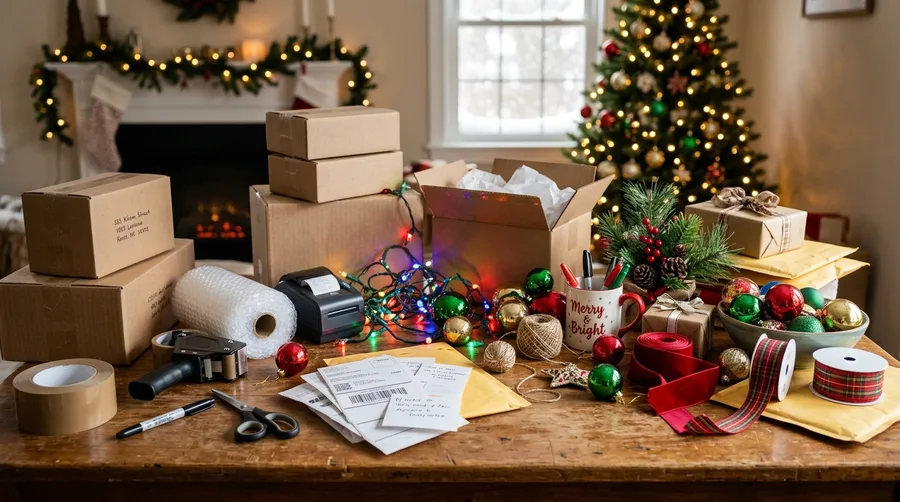
Is it actually worth taking on ten holiday custom orders just because the extra cash looks good on paper?
December cash flow spikes are tempting, but they usually destroy your sleep and your enthusiasm for the craft by January.
The mechanism behind this trap is simple math meeting human limits: when you triple your output quota for a seasonal rush, your hourly earnings often drop below minimum wage once you factor in ruined evenings and rushed mistakes.
I once took on twelve holiday commissions in four weeks for an extra $1,500, and spent all of January refusing to even look at my workbench.
Build a strict cap of no more than three seasonal orders before the rush hits so you do not burn out your love for the work.
This week, set your absolute maximum holiday workload in your calendar and stick to it when the first urgent request arrives.
9. Knowing when to ask a professional

I missed a quarterly estimated tax deadline my first year selling handmade mugs, and the resulting $150 penalty taught me a harsh lesson about learning things the hard way.
Tax season arrives fast once your side hustle crosses around $400 or $500 in monthly sales, shifting you from a casual hobbyist into someone the state expects records from. Guessing your deductions or writing off the wrong expenses risks an audit, which costs far more in time and stress than paying a qualified professional.
This week: look up a local CPA or tax preparer who handles freelance income and book a thirty-minute consultation before filing.
10. The three-bucket cash flow system

How do you keep hobby earnings from getting swallowed by everyday grocery bills?
Set up a repeatable structure with three separate buckets: operating costs, taxes, and personal profit.
Every time an item sells, split the funds immediately according to a fixed percentage.
This simple routine stops you from accidentally spending money that belongs to next month's supply restock.
The Instant Split Routine
11. Setting your weekly production cap

You started this to unwind after long workdays, but now every free evening is swallowed by assembly lines and shipping labels. The hobby that used to clear your head has turned into a second shift with no clock-out time.
Protect your evenings by setting a firm limit of ten units per week, period. Once you hit that number, the tools go away because an extra $150 is never worth the creeping dread of losing the one thing that kept you sane.
Write that number down on a sticky note and leave it right on your workbench tonight.
12. Automating your business expenses

Take the willpower out of financial tracking by setting up automatic transfers for your recurring software and material subscriptions.
When your subscription fees move to a dedicated business card on the first of the month, you never have to think about them again.
This is a timing fix, not a discipline fix, and it keeps your accounts clean without requiring constant manual oversight.
13. Falling for the custom order trap

$50 is usually what people lose on their very first custom piece because they did not factor in extra material runs.
Clients asking for custom work will drain your margins by demanding endless tweaks that were never priced into the quote.
Charge a non-refundable 50% deposit upfront before you buy a single supply.
14. Scaling back to save your passion

Sometimes the bravest financial move is closing your shop for a month.
When every single piece you make starts to feel like a transaction rather than an expression, the creative spark simply flickers out.
I shut my online store down completely for six weeks during a particularly brutal creative slump last year, and the financial hit was actually tiny compared to the instant mental relief it brought me.
It gave me room to breathe, experiment without any performance pressure, and remember why I picked up these tools in the first place.
You do not owe your customers a continuous, exhausting stream of inventory if it costs you your fundamental love for the craft itself.
Scale back when you feel the squeeze, raise your prices by 15 or 20 percent so you sell fewer items for the exact same revenue, and protect your peace above all else.
Take one weekend this month to hit pause, turn off your ordering system, and let your mind rest before you burn out entirely.
15. Why starting this month matters

Waiting for the perfect moment to monetize your hobby is just a polite way of saying you are scared.
Start with one small item, one separate bank account, and a realistic price tag this week.
Frequently Asked Questions
How much money do I need to start selling my hobby crafts?
You can start with as little as $25 to $50 for basic packaging and a small batch of materials. Avoid buying expensive equipment until your sales cover the upgrade costs.
Should I register an LLC right away?
Not necessarily. Most creators start as sole proprietors and register a formal business structure only after their revenue grows and liability becomes a real concern.
How do I price my handmade items correctly?
Calculate your material costs, add an hourly rate for your labor, and multiply the total by a factor that accounts for overhead and profit margins.
What should I do if I start losing my passion for the hobby?
Close your shop temporarily, stop taking custom orders, and spend a few weeks creating items strictly for yourself without any financial pressure.
Is it better to sell locally or online?
It depends on your craft. Local markets offer direct feedback and immediate cash, while online storefronts reach a wider audience but require shipping logistics.
Start With This One
If you take one move from this list today, open a separate bank account and move your hobby funds into it.
You do not have to turn your passion into a massive empire by Friday, but you do deserve to keep your joy intact while you earn.