

Everyone else seems to be up at five and winning, and you are still finding your shoes. The fact that closes that gap: the gap is smaller and cheaper than the posts make it look.
The suspicion walking in is fair. The 5 a.m. club reads as staged for the photo, or paid for by a gym membership, a quiet house, and a job that does not start at 7. So the money test gets applied to all six below, and the verdict is that not one of them charges admission. The equipment is optional. What actually carries them is sequence and clock time: a sample morning of wake 5:45, movement 6:00 to 6:20, reading 6:20 to 6:45, hardest task 7:00 to 8:00, first email after 8:00. Shift any number on it and the order still holds.
So this is not a lifestyle to buy. It is a set of free changes in what comes first, and the ones worth copying are the ones your night can actually support.
By the end you will have the minutes each habit costs, the no-cost version to start with, the single one to try tonight, and the ones to skip outright because a shift or a baby sets your night.
Quick Tips Before You Start
Pick one, not six
Start with the ten-minute night-before block. It's the cheapest and it makes the other five easier.
Phone stays out of reach
Charge it in another room. The first hour is decided by what's closest to the bed.
Zero budget required
Every habit here has a free version. Walking shoes and a library card cover most of it.
Set lights-out first
A 5:45 wake only works with a 9:45 to 10:00 lights-out. Fix the night or the morning won't hold.
Five minutes on balances
Check account balances and today's scheduled bills before the first transaction of the day.
1. One Fixed Wake Time Beats an Extra Hour of Sleep
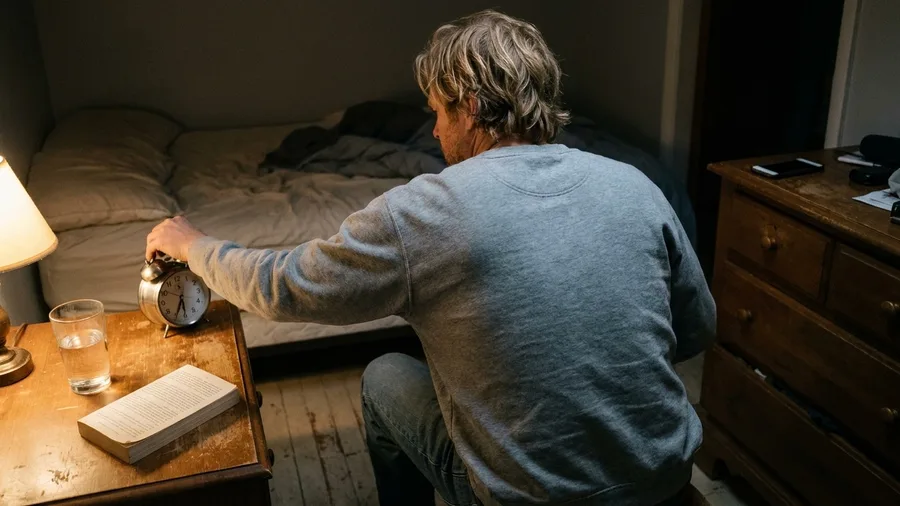
Set the alarm for a time you could still hit after a rough night, then hold it on Saturday and Sunday too. The part that changes the first hour is sameness, not earliness, so a 6:30 that never moves beats a 5:45 you manage twice a week.
The catch sits in the evening. A 5:45 wake means lights-out around 9:45 to 10:00, not midnight, and no minutes get added to the day. You trade the TV hour and the scroll for a quiet house at dawn, using time instead of money.
If a shift rota or a baby sets your night, that schedule is not yours to fix. Anchor one wake time to the days you control and let the rest go. Choose a time that survives your worst night, not the earliest one that worked once.
💡 Tip: Put the alarm across the room and charge the phone there. You'll be out of bed before you can argue with yourself.
| Habit | Minutes it takes | Why it gets skipped | Free version to copy |
|---|---|---|---|
| One fixed wake time | 0 (it sets the frame) | Weekends feel like the only lie-in | Hold the same time seven days, lights-out 9:45–10:00 |
| Plan tomorrow the night before | 10 | Feels like homework after a long day | A note on your phone or a scrap of paper by the door |
| Move before screens | 10–20 | Gym memberships cost money and time | Walk out the door before unlocking the phone |
| Read before feeds | 10–25 | The phone is already in hand | Library card and a book where the phone used to sit |
| Hardest task before email | 25–60 | Jobs require early responsiveness | 25 minutes, notifications off, a stated check time |
| Check balances before spending | 5 | Looking at a low number is unpleasant | One banking app and a five-minute timer |
2. Ten Minutes the Night Before Removes Morning Decisions
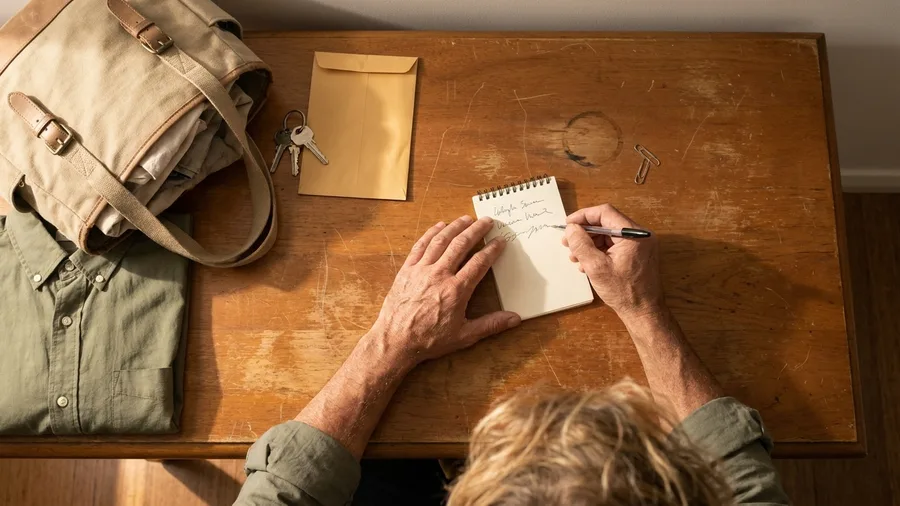
The last thing anyone wants after a long day is homework, which is exactly the moment this asks for, and the reason it gets skipped is that morning feels like the natural time to decide.
It isn't. Morning is the worst-informed moment of the day: no time, phone already in hand, no plan yet. Ten minutes at night, naming one task for the morning and settling clothes, breakfast, and whatever leaves the house (bag, keys, forms), turns the morning into a short checklist instead of a run of decisions. So the ten minutes return about twenty that would have gone to drifting and re-deciding. Cheapest habit on this list by a wide margin.
The free version is a note on the phone or a scrap of paper by the door. No planner, no app, nothing to subscribe to. A fixed wake time buys an empty first hour; those ten minutes decide what fills it, and that trade is worth an annoyed evening.
⚠️ COMMON MISTAKE
Don't buy a planner to start planning
The ten-minute block works on a scrap of paper or a phone note. Buying a $30 planner is the most common way to turn a free habit into a purchase that gets abandoned by week two.
3. Exercise Before the Phone Beats Coffee for Waking Up
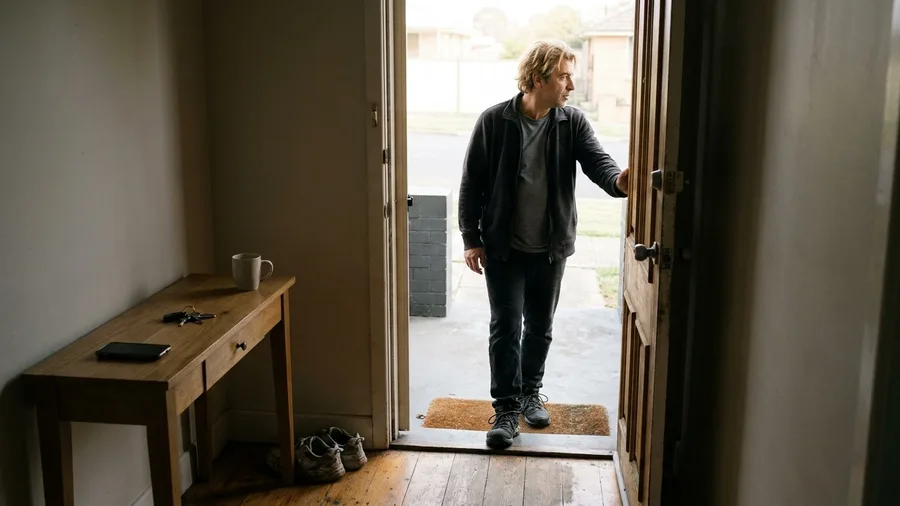
You do not need a gym, a membership, or a single piece of equipment. You also do not need to touch your wake time. The smallest version is a ten-minute walk or some stretching, and even that does the job most mornings.
In the sample morning it sits at 6:00 to 6:20, twenty minutes, after whatever the night before already decided. A body that has moved and seen daylight is easier to wake than one still under the covers.
The reason is that light and movement reset the body clock, while caffeine only hides the sleepy signal for a while. That is why the walk beats the extra cup, and why it comes before the first look at a screen.
What usually blocks it is the phone on the nightstand and the sense that exercise means a membership fee. Shoes by the bed cost nothing, and the screen wins only because it is closer than the door.
Bad knees or a shift that rules out morning movement are reasons to move the same ten minutes to midday, not to abandon it. Walking out the door before the phone gets touched is the free version, and it runs zero on the equipment bill.
💡 Tip: Leave your shoes by the door the night before. You're removing the only decision between waking up and walking out.
Two mornings, hour by hour
Phone first
- Phone opens on the nightstand, screen at 5:45
- First scroll runs 20-40 minutes before you stand
- Caffeine is the only wake-up signal you get
- Hardest task slips to 8:30 or later
Walk first
- Shoes by the bed, out the door by 6:00
- Back inside at 6:20, phone still untouched
- Lights-out moves to 9:45-10:00 the night before
- Hardest task starts at 7:00, email waits till 8:00
4. Reading Twenty Pages First Sets the Day's Attention

The night I moved my phone's charger into the hallway, I reached for the nightstand three times before I remembered it wasn't there, and then I lay in the dark doing nothing for twenty minutes because the book was over on the dresser.
That is the whole trick of the swap, and it costs nothing. A phone on the nightstand is the first thing within reach in the morning, before the eyes are even open, and the hand finds it on reflex. Put the book where the phone used to sit, charge the phone outside the bedroom, and the habit isn't added to the morning, it's relocated into a spot already warm. Set it up once, leave it alone, and by day three the hand reaches for paper instead.
Reading before the feed makes the brain's first act sustained attention rather than reaction, and that shape carries into the first work hour.
Set the block at twenty pages or ten minutes, whichever ends first, and put it early in the morning while the day is still quiet. In the sample clock it sits at 6:20 to 6:45, after the body is already moving, and a library card covers every book you'll ever need for this. What you're buying with the setup is a first act of your own choosing. Open the feed instead and someone else's agenda is in your head before yours is, and that tone tends to last past 8, past the commute, into the hour you meant to spend on your own work.
The reason most people never try it is simpler than they admit. The feed is free, immediate and already in hand, and a morning reading habit sounds like one more purchase to make.
So don't buy a thing. Move the charger, leave the book where the phone sat, and let the setup do the deciding so the morning never has to.
5. The Hardest Task Gets the First Hour, Not Email

Work the day's hardest task first, before you open a single message. Twenty pages of reading builds a stretch of focus; a morning where that focus lands on a real task instead of an inbox puts it somewhere that counts, and it only works if the task was named the night before.
Picture the hour from just after 7:00 to 8:00 with the inbox, the group chat and the calendar invitations all left shut. The reason messages can't go first isn't that they're bad. Answering is easy and the hard thing is not, so the easy thing wins every hour it's allowed to touch, and the attention the hard task wanted is gone in ten-minute pieces you can't collect back.
This is also the habit that gets dropped hardest, and usually not from laziness. If clients call at 7, a boss expects a reply by 7:30, or you're on call, an unread inbox is a genuine risk, not a willpower problem, and pretending otherwise gets the whole routine abandoned by Thursday. Set notifications off, put 25 minutes on the clock instead of the full hour, and write down the specific time you'll check messages, 8:15 or 9:00, and hold yourself to that written time.
If your employer owns the first hour, let the block move to another slot, lunch or the hour before bed, rather than disappear. That's where a fee-only fiduciary or a candid talk with your manager about coverage windows comes in, because the real answer depends on numbers only you have.
💡 Tip: Put the task on a sticky note on your laptop lid the night before. Opening the laptop means seeing the task before the inbox.
⏱️ The hardest-task hour, if you only copy one slot
Night before — name it
Write the task in one line, not three. If you can't finish it in 50 minutes, it's two tasks.
6:55 — Set the frame
Phone in another room or face-down, timer visible. The task card is the only thing on the desk.
7:00–7:25 — First sprint
25 on the clock, one task only. If you're stuck at 7:20, write the next step and keep going.
7:25–7:30 — Break, no screen
Stand, water, look out a window. A phone break at 7:25 ends the block.
7:30–7:50 — Second sprint
Same task. If it's done, stop — don't fill the hour with busywork.
8:00 — Inbox opens on paper
Check messages at the time you wrote down, not when the badge first appeared.
6. Five Minutes on Balances Stops the First Impulse Buy
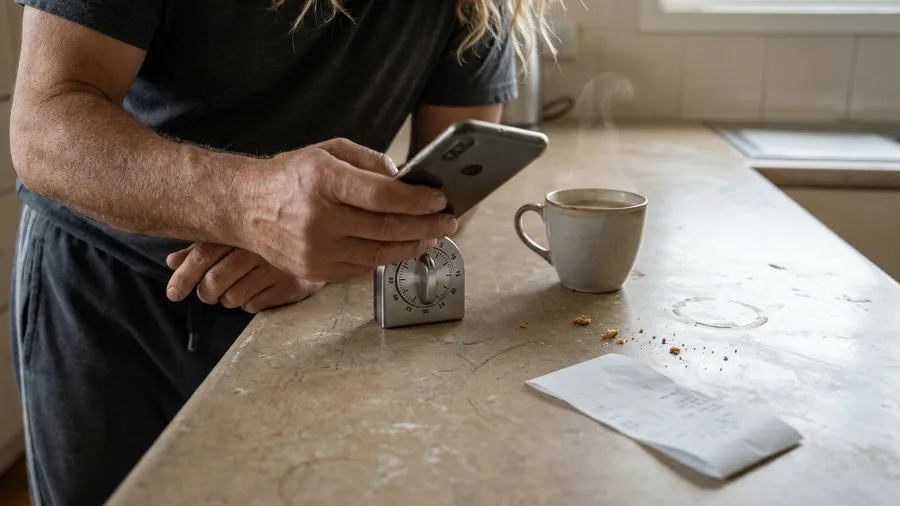
Five minutes before the first card comes out of the wallet, open the app and look at two numbers: what's actually in the account, and what's scheduled to leave it today. The hardest hour produces the day's work, but the day also spends money, and this scan is the one habit that touches all of it without moving your wake time by a minute.
It's skipped because looking at a tight balance first thing in the morning stings, and not looking feels safer, so the check gets pushed to the register instead, right up to the impulse purchase. That gap is where the small leaks start, because a guessed balance always reads higher than the real one. Set a five-minute timer and make a low number change today's plan, rather than making the plan first and discovering the balance after.
Review it the same way tomorrow: the balance, today's autopay, and one spend you already made. That's the whole check-in.
Where the morning routine goes wrong
Frequently Asked Questions
Do I have to wake up at 5 a.m. to get the benefits?
No. The variable that matters is holding one wake time seven days a week, not making it early. A 6:30 wake held consistently beats a 5:00 wake that collapses by Wednesday. Choose the time you can hold on your worst night and pair it with a lights-out that makes it survivable.
What if my job requires me to answer messages at 7 a.m.?
Then the hardest-task habit moves to another slot in the day rather than being dropped. Some jobs genuinely require early responsiveness, and pretending that's a discipline problem is how people abandon the whole routine. Protect 25 minutes somewhere else in the day instead.
Is it worth buying a planner, a fitness tracker, or a sunrise alarm?
Not to start. Every habit here has a free version: a phone note for planning, walking shoes for movement, a library card for reading. Buy equipment only after the free version has held for a month. Most people who buy the gear first stop using it by week two.
I work shifts. Can I do any of this?
Yes, but anchor the wake time to the days you control and let the rest go. Shift work and overtime schedules make a fixed seven-day wake time feel impossible, and a lie-in is sometimes the only luxury on offer. The night-before planning block and the five-minute balance check still work on any schedule.
How long before these habits feel normal?
Give one habit two weeks before adding a second. The ten-minute planning block usually feels natural within a week. The fixed wake time takes longer, especially the first weekend, because the body is used to catching up on Saturday. Hold it anyway; the catch-up sleep is what makes Monday hard.
Does checking my balances every morning really change anything?
It changes the number you're comparing a purchase against. A guessed balance always reads higher than the actual one, which is where small leaks start. Five minutes with one banking app before the first transaction is the whole habit. If you spot a problem you can't fix alone, a nonprofit credit counsellor can look at the whole picture with you.
Start with the ten minutes tonight, not the 5:45 alarm
Start tonight with the ten-minute night-before note. It is the cheapest thing on the list: no morning time spent, no equipment, no alarm moved, and it is the habit that makes the other five possible, because it names the task the first hour will use and sets the lights-out the 5:45 start stands on.
Take the fixed wake time if your nights are yours to set, children who sleep and a schedule you control, and hold it on weekends with 9:45 to 10:00 lights-out behind it. Take the five-minute balance check first if money is what keeps you up: one app, no schedule change, and the day answers to a real number. If a shift or a baby sets your night, skip the 5:45 start without guilt and anchor what you can to the days you own.
None of it is fake or funded. The routines are real and the props are optional, and the sample clock from 5:45 to a first email after 8:00 is one to try, not a measured average. Everyone else is not up at five and winning. They are running an order you can copy for the price of one named task and a pair of clothes set out tonight.
Pick your one habit for tomorrow
Set a ten-minute timer tonight and write the four-item list: one task, clothes, breakfast, what leaves the house. That's the whole start.