

You finally saved twenty thousand dollars, and now it is sitting in a low-interest checking account earning practically nothing.
That money is losing purchasing power every single week to inflation, which sits around three percent annually. You want to move it somewhere smarter, but staring at options like certificates of deposit, money market accounts, and high-yield savings feels overwhelming.
You do not need an economics degree to fix this. You just need a clear framework that matches your timeline to the right account type.
Quick Tips Before You Start
Check FDIC Insurance
Never deposit cash anywhere without checking for Federal Deposit Insurance Corporation backing up to $250,000.
Watch the Fees
Avoid any account charging monthly maintenance fees or requiring high minimum balances just to waive them.
Test Transfers
Move a test amount of $50 first to make sure your linked checking account connects smoothly.
1. Recognize the Fear of Making the Wrong Choice

Stop staring at the tab with the twenty thousand dollar balance and let yourself breathe for a minute.
You are worried that locking that cash into a twelve-month certificate of deposit means missing out if an emergency hits next month, and that hesitation is completely normal when every financial product looks identical on a landing page.
Paralysis sets in because online banks hide early withdrawal penalties in the fine print, making you fear you will lose every dollar of interest the second you need a tow truck or a root canal.
parking twenty thousand dollars is not a permanent life sentence or a marriage vow, but rather a twelve-month experiment in letting your idle money earn a four or five percent yield instead of losing value to inflation.
This week, open a notebook and write down the exact date you might need to touch this cash based on your actual calendar, because that single date makes the choice between a liquid high-yield savings account and a fixed-term product completely obvious.
⚠️ COMMON MISTAKE
Leaving All Cash in One Place
Putting your entire twenty thousand dollars into a single checking account guarantees you lose money to inflation every single month.
2. How I Split My First Windfall Across Three Accounts

Fifteen thousand dollars landed in my account all at once years ago, and I promptly let it sit in a local checking account earning a miserable 0.01 percent interest.
I watched inflation quietly erode hundreds of dollars in buying power over two years before I finally wised up and moved the balance somewhere useful.
That painful lesson taught me an immutable financial truth: liquidity and yield have to be balanced intentionally, or your money simply works for someone else.
You cannot leave a large cash pile exposed to daily spending temptation, because convenience is the enemy of accumulation.
Splitting the pile changes your psychology completely, making impulsive Amazon purchases much harder when the funds require three business days to transfer.
Allocate a specific chunk to instant liquidity for emergencies, park another portion in a short-term certificate of deposit to lock in a yield, and place the rest in a money market fund.
It takes about twenty minutes total to open the external accounts and initiate the transfers, and that small administrative chore protects your future self from regret.
This week: log into your primary bank, look at what your lump sum is currently earning, and open one separate high-yield destination for half of it.
Key Terms Decoded
3. Give Yourself Permission to Scale Back

I stared at browser tabs comparing fifteen different savings rates until my eyes burned and I closed the laptop in total defeat.
You do not have to optimize every single dollar by tonight.
If researching five different online banks exhausts you after a long workday, close the browser and move just $1,000 into a high-yield account.
Action beats perfection every time.
Starting small builds the operational habit without burning you out.
Best For Small Starts
4. Automate Your Transfers on Payday

Set up an automatic transfer for the exact morning your paycheck hits your main checking account.
Willpower fails the moment extra cash sits visible in your everyday balance, tempting you to absorb it into daily spending without noticing.
Moving $250 or $500 automatically before you even wake up removes the daily decision fatigue completely, letting your savings grow silently while you sleep.
Open your banking app today and schedule that recurring transfer for payday.
💡 PRO TIP
The Payday Rule
Schedule your savings transfers for the exact day your direct deposit lands so you never see the cash available to spend.
5. Target a Three-Month Emergency Floor First

It is terrifying to lock up cash in a certificate of deposit only to watch an unexpected bill land in your lap the very next week.
Before you put a single dollar into a multi-year term deposit, you need to build a rock-solid safety net of three months of baseline living expenses in an accessible high-yield savings account. For a household spending $3,500 monthly on essentials like rent, groceries, and utilities, that means keeping $10,500 liquid and ready.
The mechanism here is simple cash flow protection. Without that immediate cushion, a sudden $800 car repair forces you to either cash out investments prematurely or slap the charge onto a credit card carrying a twenty percent interest rate.
I learned this the hard way when my first emergency fund sat entirely in the wrong place and vanished in a single month of medical bills. If $10,500 feels completely out of reach today, take a deep breath and start by parking just one month of expenses first.
Open a separate savings tab tomorrow morning and transfer your very first $25.
Emergency Buffer — The Numbers Behind It
⏱️ Withdrawal Window
Zero days (instant access)
💰 Failure Threshold
Below $500 triggers card debt
🏦 Skip This If
High-interest debt costs more
The Exception
If credit lines are maxed out, pause investing entirely until this floor exists.
6. Lock in Yield Before Rates Drop

It feels frustrating to watch the financial news shift every month while you are just trying to find a safe place for your cash.
Federal Reserve rate adjustments directly impact what online banks and certificates of deposit pay out to depositors.
When rates start declining, high-yield savings accounts drop their annual percentage yields within days, whereas a twelve-month certificate locks your rate in place.
Check your bank app today and move $1,000 into a twelve-month term if you do not need that cash until next year.
Rate Environment Breakdown
Federal Reserve SHED 2024 context on household liquidity
7. Common Mistakes When Choosing Savings Products

Have you ever spotted a jaw-dropping promotional interest rate online, moved your money over, and then realized your actual payout barely budged?
It happens because many savers chase a headline promotional rate without checking the fine print about introductory balance caps or hidden monthly maintenance fees that quietly eat your returns.
A bank offering 5.5 percent interest on your first $2,500 while paying a paltry 0.01 percent on the remaining $17,500 is a marketing trap designed to lure you in with a big number while ignoring the bulk of your cash.
Always calculate your blended annual return across your entire twenty thousand dollar balance before moving funds so you know exactly what your money will earn.
This week, check the terms on your current account and verify that your entire balance is working for you, not just the initial slice.
⚠️ COMMON MISTAKE
Beware Tiered Promotional Rates
Always verify if a high APY applies to your entire balance or only to the first few thousand dollars deposited.
8. The Three-Bucket Cash Flow Structure
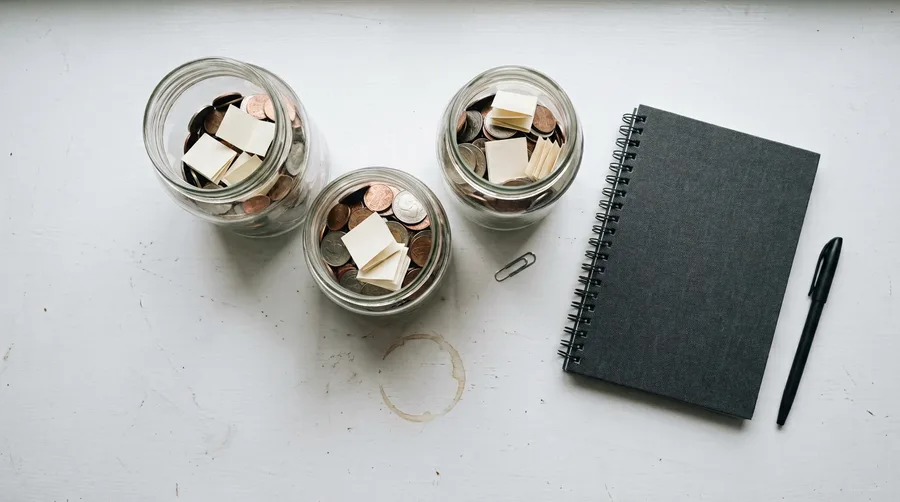
People think parking twenty thousand dollars means dumping it all into a single checking account or locking it away for a decade.
That is an easy way to lose ground to inflation or panic when a bill arrives unexpectedly. Instead, use a three-bucket system to split that cash based on when you actually need to spend it. Put five thousand dollars of immediate emergency cash into a high-yield savings account for instant access. Drop another five thousand dollars into a money market account for near-term goals. Lock the remaining ten thousand dollars into a six-month certificate of deposit to capture a better yield while keeping your timeline safe.
Open your banking app today and move your first allocated chunk out of everyday sight.
9. The Honest Trade-Off of Locking Your Cash

Locking $10,000 of your twenty thousand dollars into a twelve-month certificate of deposit guarantees you a steady return, but it comes with a real friction cost.
If a family emergency or sudden job change forces you to break that certificate early, you will forfeit three to six months of accumulated interest as a penalty.
That is the trade-off you accept for certainty: you trade away liquidity in exchange for immunization against dropping market rates.
Never lock money you cannot comfortably leave untouched until the maturity date arrives.
I learned this the hard way when I had to break a CD early for urgent dental work and lost half my interest earnings.
Calculate your worst-case cash flow timeline before committing to any term longer than six months.
Keep at least half your total balance in a flexible high-yield savings account just in case life throws an unpredictable curveball your way.
This week: review your upcoming expenses for the next year before you click confirm on any long-term lock.
10. How to Review Your Account Yields Quarterly

Open your calendar right now and drop a recurring reminder every three months to check what your cash is actually earning.
Most people set up a high-yield savings account or open a certificate of deposit, breathe a sigh of relief, and completely forget about it for five years. That forgetfulness is quietly expensive because online banks constantly adjust their percentage yields up or down based on broader Federal Reserve rate decisions.
When your institution quietly drops your rate from 5% down to 3.5% while the rest of the market holds steady, you are leaving real money sitting on the table. For someone holding $20,000 in cash, that a 1.5% drop represents a $300 difference over the course of a year just for staying loyal to a bank that stopped competing for your business.
Moving those funds to a more competitive category takes less than ten minutes online once you are set up, yet we treat it like canceling a gym membership. Do not make a part-time job out of chasing every fractional shift, but a quick quarterly scan ensures your emergency fund is still working hard for you.
Set your first review date for three months from today and look at only two things: your current rate and whether a better baseline category exists.
11. Start Small With an Initial Deposit

Can you actually build anything meaningful by starting with just a tiny amount of cash?
Even twenty-five dollars a month transferred automatically into a high-yield savings account does more for your financial security than zero dollars sitting in a zero-interest checking account. Consistency beats perfection every single time.
Open your banking app today, set up a recurring weekly transfer for whatever small sum you can comfortably manage without stressing your groceries, and let compound interest quietly do the heavy lifting in the background.
12. When to Consult a Fee-Only Fiduciary

You stare at the account balance, feeling completely out of your depth because this money arrived all at once and the stakes suddenly feel massive.
It is terrifying to make a choice when a single wrong move could trigger unexpected tax bills or mistakes you cannot easily undo.
General internet articles work great for standard budgeting, but they fall apart when your situation involves inheritance, legal settlements, or complicated multi-state earnings.
This is the exact moment to step back and pay for professional insight from a fee-only fiduciary who charges by the hour instead of taking a percentage of your total nest egg.
Before the month ends, search for a certified professional through flat-fee networks and book a single sixty-minute session to review your exact numbers.
13. Scale Back Your Strategy When Life Gets Heavy

Life gets heavy, and sometimes your carefully constructed financial plan has to absorb the impact of a sudden curveball.
You are not failing just because your circumstances changed and you can no longer fund your accounts at the exact same pace.
Drop the guilt immediately and look at the actual cash flow on your screen instead of punishing yourself for what you cannot control right now.
The mechanism here is preservation rather than growth, protecting your baseline stability while the rest of your world is under stress.
Drop your automatic monthly transfer from $500 down to $50 until your income stabilizes, keeping your core emergency fund entirely intact for the real surprises.
This is a temporary adjustment, not a permanent surrender, and your future self will thank you for keeping the foundation steady.
14. Knowing When Professional Guidance Matters

People think hiring a financial professional means you need six figures sitting in a brokerage account, but that is simply not true.
Sometimes your situation involves complex tax brackets or overlapping debts where a single wrong move triggers hundreds of dollars in unnecessary penalties.
When your numbers get tangled, book a one-time session with a fee-only fiduciary or a certified public accountant who charges by the hour rather than taking a percentage of your assets.
15. Avoid Common Mistakes With Your Cash Allocation

I spent three days moving my cash around last spring just to chase an extra four-tenths of a percentage point at a bank I had never heard of before.
Chasing the absolute highest promotional rate across obscure online platforms often leads straight into a frustrating trap of glitchy mobile apps and frozen transfers.
The mechanism behind this trap is simple: tiny banks lure deposits with unsustainable rates, then skimp on the infrastructure needed to support account holders when they actually need their cash.
That fractional increase on $20,000 might sound great on paper until you are locked out of your account during an emergency because customer service is entirely automated.
Stick firmly with established, FDIC-insured institutions that provide stable yields alongside transparent fee structures and reliable three-day transfer speeds.
Your financial peace of mind is worth far more than an extra decimal point of yield tucked away at an unreliable bank with terrible reviews.
Take twenty minutes today to open your account with a trusted provider, transfer an initial $1,000 deposit, and let your savings grow without the constant anxiety.
Frequently Asked Questions
Is it safe to keep twenty thousand dollars in an online bank?
Yes, as long as the online bank carries FDIC insurance up to $250,000 per depositor. Traditional and online institutions offer the exact same government backing.
Should I pay off debt or put $20,000 in a high-yield savings account?
If your debt carries an interest rate significantly higher than current savings yields, such as high-interest credit cards at 20 percent, prioritize paying off the debt first.
What happens when my certificate of deposit matures?
Most banks give you a brief grace period of seven to ten days to withdraw your principal and interest or automatically roll the funds into a new CD at current rates.
Are money market accounts better than high-yield savings accounts?
They are very similar. Money market accounts often include check-writing privileges and debit cards, whereas high-yield savings accounts focus purely on electronic ACH transfers.
Do I have to pay taxes on interest earned in a savings account?
Yes. Banks will issue a Form 1099-INT if you earn more than ten dollars in interest during the year, and that amount is taxed as ordinary income.
Your Next Step
You do not need to overhaul your entire financial life by tonight.
Open one separate high-yield account, move your first thousand dollars into it, and let the rest follow at a pace that keeps you calm.