

You stand in the grocery aisle staring at a carton of eggs wondering why the total keeps climbing.
It is easy to assume one store always wins on price, but the reality is messier when you check the receipt line by line.
Let us look at actual costs across Costco, Aldi, and Walmart so you can make choices that fit your real budget.
Quick Tips Before You Start
Check Unit Prices
Always look at the price per ounce, not the sticker price.
Bulk Math
Only buy in bulk if you will actually finish the food before it spoils.
Gas Costs
Factor in the drive time and fuel when comparing discount stores.
1. Whole Milk Prices Compared

You do not have to buy all your groceries in one place to save money.
Splitting your shopping list across multiple stores feels like a massive chore that ruins your Saturday morning, but it does not have to be an all-or-nothing trap. Give yourself permission to grab just one or two staples where they are cheapest and leave the rest on the shelf.
Aldi usually keeps a gallon of whole milk under three dollars, beating Walmart by pennies and Costco by volume limits. That small difference adds up when you are going through two gallons a week for growing kids or morning coffee routines.
Costco sells milk in two-packs, which works wonderfully if your household drinks it fast enough to clear the carton before the expiration date hits. If it spoils in the back of the fridge, buying in bulk costs you more than paying the single-gallon price down the street.
Next week, pick just one item to buy at your secondary store instead of overhauling your entire routine.
💡 PRO TIP
Watch the Expiry Dates
Bulk dairy savings disappear instantly if half the carton spoils before you finish it.
2. Large Grade A Eggs

$2.15 a dozen is where egg prices usually land at Aldi and Walmart right now.
The classic mistake is buying the massive fifty-count flat from Costco just because the per-egg math looks brilliant on paper, assuming your household will easily plough through it before the expiration date.
Unless you are baking cakes every weekend or feeding a crowd of teenagers, half of those eggs will turn before you use them, turning your bulk savings into straight kitchen waste.
Next time you shop, look at how many eggs your household actually went through last week before grabbing the bigger box.
3. Organic Ground Beef Value

Meat takes up the biggest share of most weekly food budgets.
Buying organic beef at Costco in three-pound rolls saves about two dollars per pound compared to standard supermarket prices.
Aldi offers smaller organic packages for smaller households.
Walmart leans toward conventional options rather than grass-fed varieties.
When you buy bulk meat, portion it into freezer bags immediately.
Key Meat Savings
Average price differences per pound
4. Extra Virgin Olive Oil

I used to grab whichever bottle of extra virgin olive oil was on sale at the eye level shelf, which meant I was constantly overpaying for tiny containers that ran out right in the middle of making dinner.
Good olive oil gets expensive fast because specialty imports carry steep markups, and smaller bottles hide the true cost per ounce behind a lower sticker price.
Costco brand organic olive oil delivers reliable quality in a massive two-liter tin for roughly sixteen dollars, giving you a much lower unit cost if you have the storage space.
Aldi house brands cost less upfront on smaller volumes, which works better for kitchens that do not go through oil quickly enough to beat the expiration date.
Set up an automatic calendar reminder to check your pantry stock every six weeks before you run out so you never have to make an emergency grocery run at retail price.
5. Standard White Bread Loaves
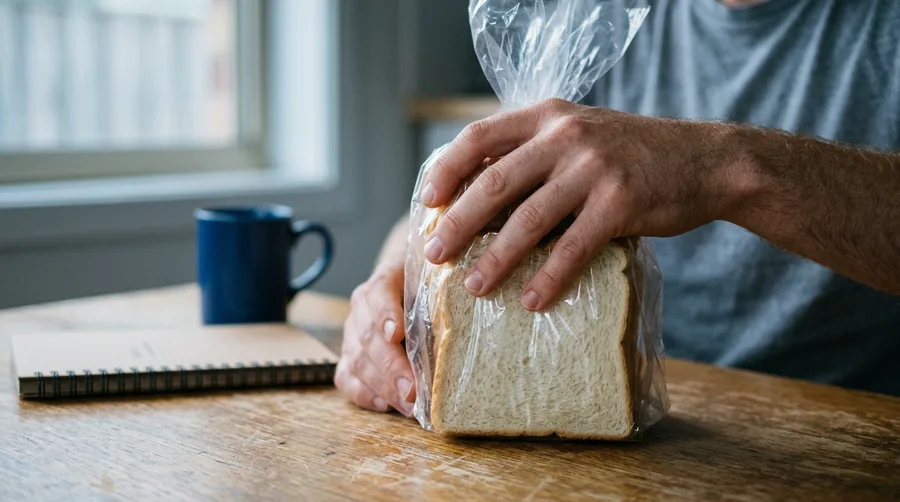
People assume buying bulk bread saves money everywhere.
Basic sandwich bread costs under two dollars a loaf at Aldi and Walmart, while Costco forces you into twin packs that often mold before you finish them unless you act fast.
Drop the second loaf into your freezer the day you bring it home, then pull it out mid-week so it stays fresh without wasting three bucks.
Bulk vs Small Cart Comparison
Costco Bulk Buying
- Lower per-unit cost
- Fewer grocery trips needed
- High initial cash outlay
Aldi Small Cart
- Low upfront cost per visit
- Easier to manage food waste
- Higher per-unit pricing on staples
6. Jasmine Rice Bag Pricing

You might feel like you never make a dent in your food costs.
The mental exhaustion of watching grocery prices tick up every week takes a real toll when you are already trying your best to keep things afloat.
Rice is the anchor of a low-cost pantry, serving as the reliable baseline that stretches every other meal into something filling without demanding more from your wallet.
Costco twenty-pound bags of jasmine rice offer the lowest cost per ounce on the market, dropping the unit price significantly lower than standard supermarket options.
Buying in bulk works through the sheer mechanism of scale, where paying more upfront dramatically reduces your ongoing per-serving overhead over the long term.
Store your bulk rice in a sealed plastic bin to keep pests away and protect your investment from moisture over the months it will take you to finish the bag.
Aldi sells five-pound bags which fit apartment pantries better if you lack the cabinet space or the upfront cash flow for massive bulk purchases.
Choose the size that fits your kitchen storage space rather than just chasing the lowest sticker price, because food that spoils or attracts bugs is no longer a bargain.
A ten-dollar bag of rice lasts most families two months.
This week: check your pantry shelf space, pick the bag size that actually fits your home, and buy your rice anchor to start lowering your baseline grocery spend.
7. Dried Black Beans

Dried black beans cost roughly $1.50 per pound compared to $1.29 for a single 15-ounce can, yielding about three times the food once cooked.
I used to find the overnight soak intimidating until I started treating it like setting up the coffee maker before bed.
Put one pound of dry beans in a bowl with water on Sunday night, then simmer them for 90 minutes on Monday while you answer emails.
That tiny batch prep saves about $15 a month on grocery bills without requiring coupon clipping or meal planning spreadsheets.
Add a bay leaf and a clove of garlic to the pot so the house smells incredible instead of feeling like you are eating cheap food out of obligation.
8. Frozen Broccoli Florets

Staring at the freezer aisle can feel overwhelming when you are trying to cut corners on food without feeding your family cardboard.
You worry that buying cheaper produce means sacrificing every bit of nutrition, but that guilt is entirely misplaced here.
Even spending twenty-five dollars a month on frozen vegetables adds up over a year, yet consistency matters far more than perfection.
Walmart and Aldi both stock large four-pound bags of frozen broccoli for around five dollars, which breaks down to a fraction of fresh prices while keeping nutrients locked in from harvest day.
Costco sells massive bags with slightly higher organic quality, but they only save you money if your freezer actually has the room to store them without losing half to freezer burn.
Keep your freezer organized this weekend so you do not buy duplicate bags by accident, saving real cash on your very next grocery run.
⚠️ COMMON MISTAKE
Ignoring Freezer Burn
Always seal opened frozen veggie bags tightly with clips to preserve texture and flavor.
9. Rolled Oats Containers

$4.50 for a twin tub at Costco is the cheapest baseline you will find on dry grains anywhere.
I bought three giant canisters during my first warehouse club trip and ate oatmeal for six months straight. Aldi sits right under that at less than two dollars per pound if you do not need industrial sizing, but Costco sells twin tubs that lower the price even further through sheer volume. The mechanism here is basic unit economics: you trade pantry space for a lower cost per serving, saving roughly 30 percent over standard grocery packaging. Grab one container this week and test if your household will actually finish it before scaling up.
10. Real Peanut Butter Value

You think buying natural peanut butter means committing to an annoying, oily arm workout every single time you want a scoop.
The trade-off is real: natural peanut butter separates, leaving a pool of oil on top that frustrates shoppers who just want to dip a knife straight in.
Costco sells organic two-packs for about ten dollars total, giving you a lower per-ounce rate if you have the pantry space to store the backup jar.
Aldi matches that value on single jars, meaning you do not have to buy in bulk to avoid paying grocery store markup.
Store opened jars upside down in your pantry so the natural oils blend back down naturally before you even unscrew the lid.
This week: flip your current jar over and see if it saves you five minutes of stirring.
11. Organic Honey Bottles

It feels ridiculous to drop twenty dollars on a single jar of honey when you only use a teaspoon in your tea.
Honey prices fluctuate wildly based on import tariffs and harvest yields, making small grocery store bottles remarkably expensive per ounce.
Costco raw honey in the three-pound bear jug beats standard grocery store pricing by nearly half when you break down the math.
The upfront cost feels high at twenty dollars, but the per-ounce math wins decisively over time.
Raw honey never technically spoils if kept dry, which completely removes the risk of food waste that usually ruins bulk purchases.
If it crystallizes over time, simply place the jar in a bowl of warm water for twenty minutes to liquefy it again without losing any quality.
Avoid buying specialty infused honeys in bulk unless you plan to use them immediately for specific baking projects this week.
Check your receipt before leaving the warehouse exit door to ensure the seasonal discount applied correctly.
12. Canned Crushed Tomatoes

Review your pantry inventory before heading out to any store.
Aldi crushed tomatoes cost under a dollar per can.
Stock up during sales.
13. Morning Coffee Beans

You might think buying pre-ground coffee at Walmart saves time and money, but that bag loses its punch within a week.
Whole beans from Costco stay fresh longer because the outer shell protects the aromatic oils from oxidizing.
Grind them weekly in batches of roughly $12 worth of beans, and set your timer for Saturday morning.
14. Unsalted Butter Blocks

It is exhausting to watch the grocery receipt creep higher every time November rolls around, especially when you are just trying to keep basic baking supplies in the house without blowing the weekly grocery budget.
Butter prices spike around the winter holidays every single year because dairy demand jumps while supply stays flat, hitting your wallet right when expenses are already stretched thin.
Costco four-packs of butter offer dependable savings compared to standard supermarket singles, bringing the per-pound cost down from roughly $5.50 to around $3.80 during peak baking season.
Freeze the extra packs immediately when you get home since butter holds its texture in the freezer for up to six months without losing its flavor.
Check expiration dates before stocking your freezer and set a monthly calendar alert to review your remaining dairy inventory so you never waste a single stick.
Grocery Budget Transformation
15. Almond Milk Cartons

I used to spend nearly four dollars every week on a single half-gallon of almond milk from the corner store because I assumed all plant-based milks were naturally pricey.
The common mistake is treating dairy alternatives like specialty items rather than pantry staples, which quietly drains an extra twenty dollars a month from your grocery budget.
Aldi prices their house-brand almond milk at under two dollars per carton, offering the exact same nutritional profile without the brand-name markup.
Costco takes a different approach by selling shelf-stable three-packs that cut down on weekly grocery runs and lower your unit cost even further.
Check your next receipt and swap your usual brand for the store label to immediately keep that extra cash in your pocket.
16. Rolled Tortilla Chips
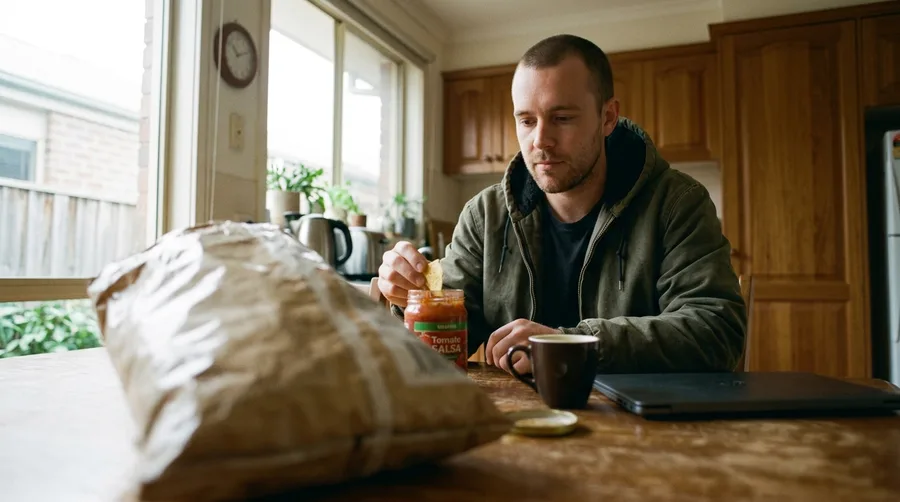
Can switching your brand of snack chips really change the math at the end of the month?
Even spending three dollars on snack bags repeatedly adds up faster than you think.
Aldi sells massive tortilla chip bags for under two dollars, letting you keep the crunchy habit without blowing the grocery total.
Pair them with jarred salsa for an easy weekend movie night that costs less than a single fast-food value meal.
17. Dishwasher Detergent Pods

It is easy to feel a quiet wave of exhaustion when you scan the household supplies aisle and realize yet another essential is running out.
Cleaning supplies represent a silent drain on monthly cash flow that quietly eats away at your grocery money without you ever noticing until the account dips.
The mechanism behind this leak is simple frequency: small, repeated purchases of branded paper goods and detergents lock you into paying a convenience premium every single month.
Costco member-brand dishwasher pods cost half the price of name brands per load, cutting that specific expense in half for the exact same mechanical cleaning performance.
Buy the giant tub once a year during warehouse sales to lock in the lowest per-unit cost before seasonal price bumps hit the shelves.
Store pods away from moisture under the sink so the cardboard or plastic bulk container does not ruin your entire supply before you reach the bottom.
Aldi also offers budget tabs that clean surprisingly well if you do not have a warehouse club membership nearby.
Test one small pack before committing to a bulk container to make sure your machine likes the formula without wasting money on products that leave a cloudy residue on your glassware.
Keep your dishwasher filter clean to maximize detergent effectiveness so you never have to run a greasy load twice.
This week: check your under-sink stash and calculate what you actually spent on pods over the last twelve months.
18. Paper Towel Rolls
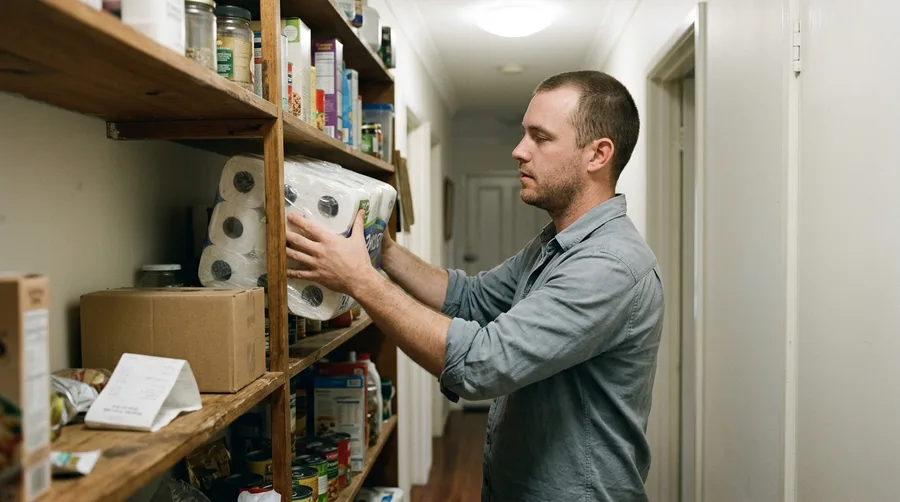
Are bulk paper towels actually worth the massive storage space they take up in your hallway and your trunk? Absolutely, but only if you look past the initial sticker shock at the cash register.
Paper goods take up entirely too much cart space.
I used to grab random packs at the corner store out of pure convenience until I actually sat down and calculated the annual drain on my checking account. Costco Kirkland brand rolls last months longer than standard supermarket equivalents because they contain nearly double the sheets per roll and feature a much tighter weave. You drop roughly $22 upfront for the massive pack, but the price per square foot plummets compared to buying smaller quantities weekly.
The obvious trade-off is physical storage since you have to sacrifice half a pantry closet just to house the giant plastic-wrapped bundle safely out of sight.
Check the square footage on the back label.
19. Laundry Liquid Detergent

People assume the biggest bottle on the shelf always saves the most money.
That is rarely how math works when you get it home.
When you run your own numbers, compare per-load costs rather than bottle size.
Some discount detergents require double the amount per wash, quietly ruining the savings you thought you secured at the register.
Consult your household laundry habits before buying massive industrial jugs that expire or spill before you finish them.
If your loads are small or infrequent, a smaller bottle with concentrated formula often costs less per wash than the giant bulk container.
This is the kind of math that depends entirely on your own household habits rather than a blanket rule.
Before you commit to a giant warehouse size next weekend, check the back label for the actual number of loads per jug and divide the price by that figure.
20. Frozen Berry Mixes
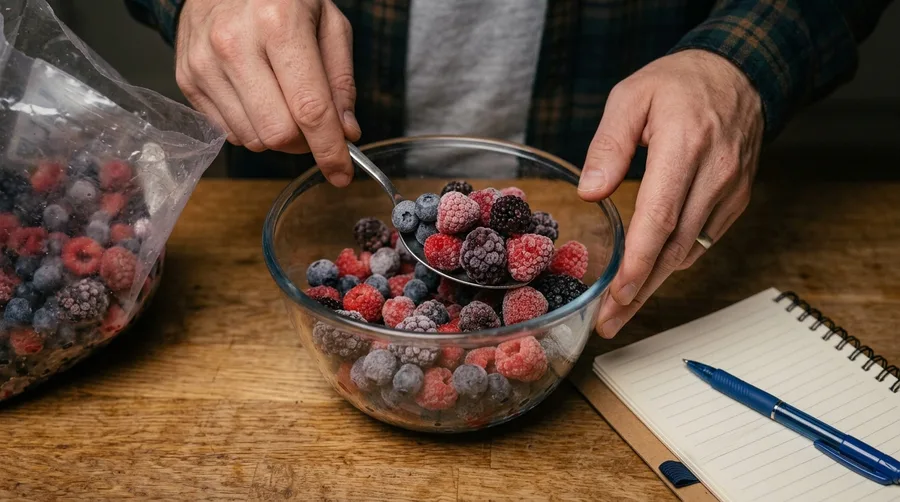
You do not need to feel guilty about the moldy carton of raspberries at the back of the crisper drawer.
Fresh berries go bad in four days flat, turning your grocery money straight into compost.
Switch to a 3-pound bag of frozen mixed berries at Aldi or Walmart for about $9.50, and toss a half-cup into your morning smoothie instead. You cut your fruit waste to zero and keep the cost per serving down to roughly $0.80.
Frequently Asked Questions
Is Costco membership worth the annual fee?
It depends on your household size and spending habits. If you buy gas, paper goods, and bulk staples regularly, the savings usually cover the fee within a few months.
Why is Aldi so much cheaper than traditional supermarkets?
Aldi keeps operating costs low by stocking mostly private-label brands, keeping store footprints smaller, and requiring customers to rent shopping carts with quarters.
Should I visit multiple grocery stores every week?
Splitting trips across three stores wastes time and fuel. Pick two stores that fit your routine and alternate major stock-up trips rather than running daily errands.
How do I avoid impulse buys at warehouse clubs?
Stick strictly to a written shopping list and eat a full meal before walking through the doors. Never grab a flatbed cart unless you have a specific large item to buy.
Your First Step Toward Lower Grocery Bills
You do not need to overhaul your entire shopping routine by Friday morning.
Pick two staples from this list to buy at a discount store on your next trip, and see how much easier your monthly budget feels.