

You open the under-sink cabinet and find three different bottles of surface cleaner, two half-empty packs of specialty sponges, and a row of paper towel rolls waiting like expensive fire tinder.
It feels like the cost of keeping a clean home just keeps creeping up, and every trip to the store adds another twenty dollars of things you will throw away in a month.
You are not bad with money for buying convenience.
The system is built to sell you single-use solutions for every tiny mess, but you can stop buying most of them without living in a mess.
Here are seventeen household products you can cut from your shopping list entirely, along with the simple habits that replace them.
Quick Tips Before You Start
Finish What You Have
Do not throw out half-used products just yet; use them up before switching.
One Swap at a Time
Pick three items to drop this week instead of overhauling your entire home at once.
Track the Savings
Notice how much less your grocery cart costs once paper goods leave the list.
1. Disposable Paper Towels
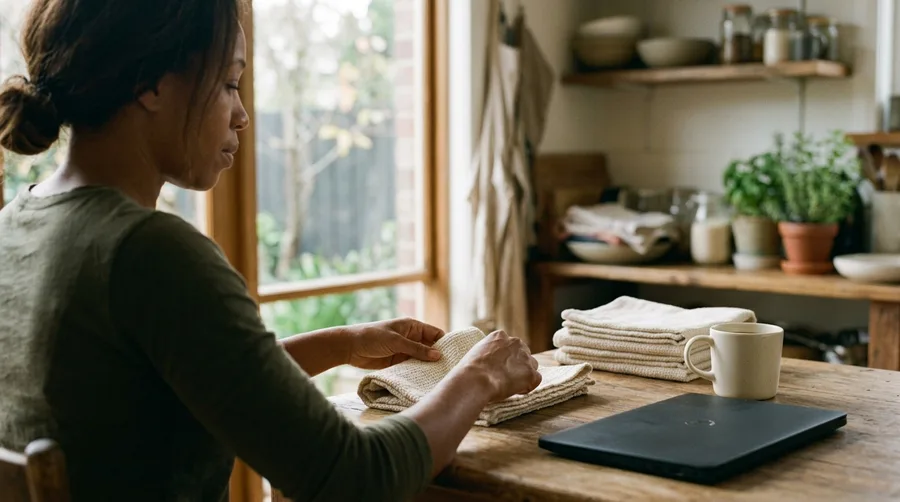
I used to go through three rolls of paper towels every single week without even thinking about it.
You grab a roll every time you wipe a counter, costing you around twenty dollars a month for paper you throw straight into the trash.
The mechanism is simple convenience: tearing a sheet takes zero thought, but those pennies add up to nearly two hundred fifty dollars a year.
Switch to a stack of unbleached cotton bar mops kept in a drawer by the sink.
Wash them with your regular towels once a week and you save real cash immediately.
💡 Tip: Keep a small basket right on the counter for used cloths so they never pile up on the faucet.
2. Single-Use Floor Mop Pads
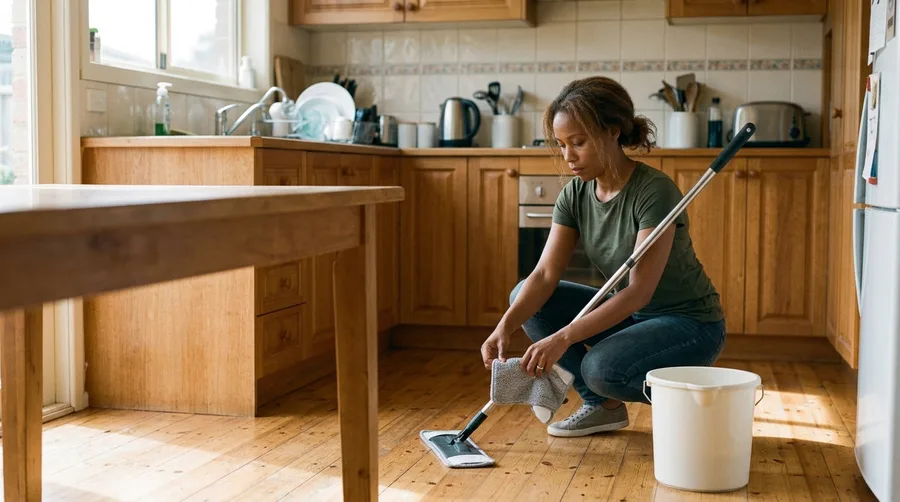
Stop buying disposable wet cloths for your floors this week and give yourself full permission to drop the guilt if you have relied on them for years.
Those convenience pads cost around $10 a month for water, plastic, and artificial citrus scent that adds up to roughly $120 a year for essentially throwing trash into a bucket.
Switching to washable microfiber pads that stick right onto your existing mop head traps dirt much better while cutting that recurring expense down to zero.
If you only swap out one cleaning product this month, make it this one and let the rest wait until you actually have the bandwidth.
💡 PRO TIP
Save on Cleaning Supplies
A single bottle of dish soap and a box of baking soda can replace half the specialty bottles under your sink for less than five dollars total.
3. Specialty Glass Cleaner
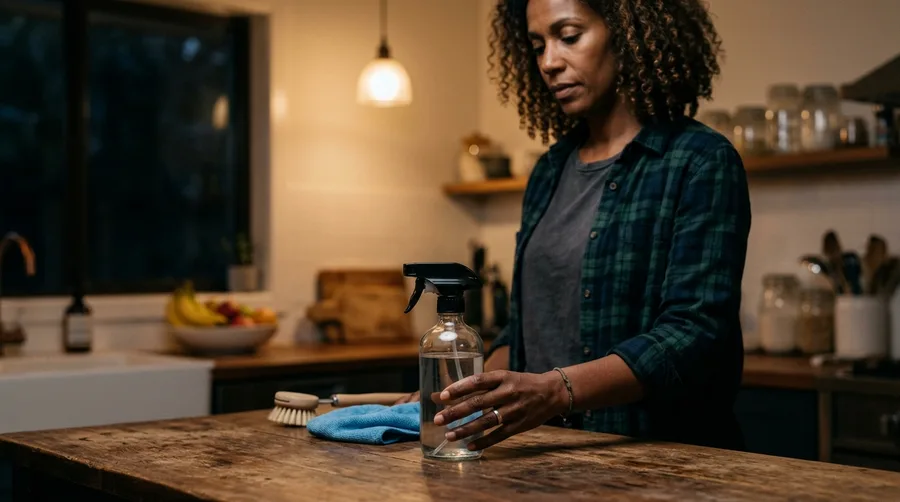
You look at the bright blue liquid sitting in the trigger spray bottle and genuinely assume it holds some sort of chemical wizardry specifically engineered for mirrors.
It is mostly just dyed water with a tiny splash of cheap ammonia or alcohol mixed in.
The nagging feeling that you need a brand-name plastic bottle for every single surface in your house is a marketing habit we all picked up somewhere along the way.
You are essentially paying three dollars for water you could easily run out of your own tap.
glass does not care about brand names or artificial fragrance.
It just needs a solvent that cuts through grease without leaving a soapy film behind.
Mix equal parts white vinegar and plain tap water in any reusable glass spray bottle you already own, then wipe it down with a dry microfiber cloth.
You get a completely streak-free shine for literally pennies per batch.
I used to keep four different specialty cleaners under the kitchen sink until I realized they all smelled like a chemical plant and did the exact same thing.
Stop paying extra for blue water and disposable plastic triggers.
Your windows and mirrors will look identical, and your cleaning cabinet will suddenly have room to breathe.
Do this today.
4. Liquid Fabric Softener
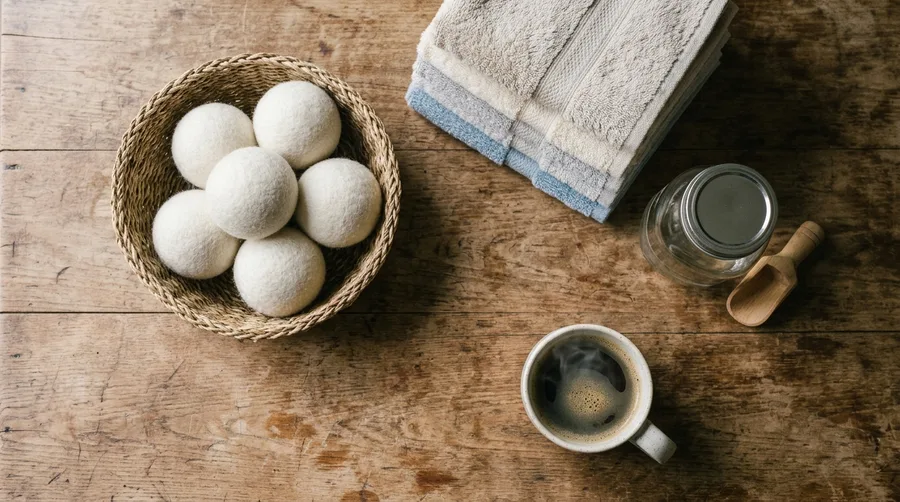
Roughly $12 to $15 a month quietly disappears into laundry aisle additives that actually degrade the clothes you are trying to protect.
A capful in every single load coats your threads in a waxy chemical film that ruins towel absorbency and traps body oils deep inside the fabric fibers. I kept buying the giant blue jug for years because the heavy floral scent made the laundry room smell clean, until I realized my bath towels were basically water-repelling plastic shields.
Drop it completely and use half a cup of plain white vinegar in the rinse cycle instead if static is driving you crazy.
Alternative Specs & Limits
5. Chemical Toilet Bowl Cleaners
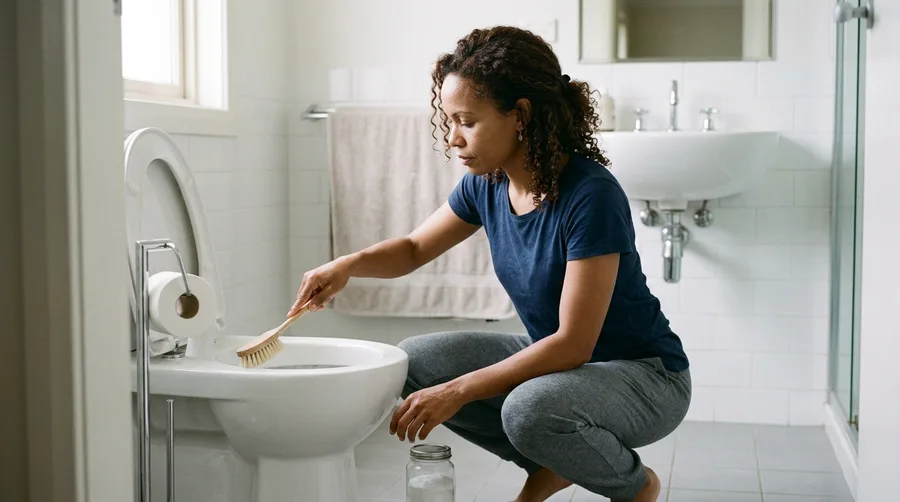
Why spend four dollars a bottle on harsh bleach gels that live in toxic plastic containers right where curious hands can reach them?
The routine is simple and repeatable: grab the pantry staples you already own instead of making a special grocery run.
Pour half a cup of baking soda into the bowl, add a generous splash of white vinegar, and walk away for ten full minutes while it fizzes.
The chemical reaction lifts the hard water rings and grime without choking fumes, saving you about $48 a year if you buy a bottle every month.
Scrub with your standard brush, flush, and watch the porcelain sparkle just as well for pennies instead of corporate markup.
Annual Household Savings
Estimated yearly savings from dropping disposable cleaning products
6. Dryer Sheets
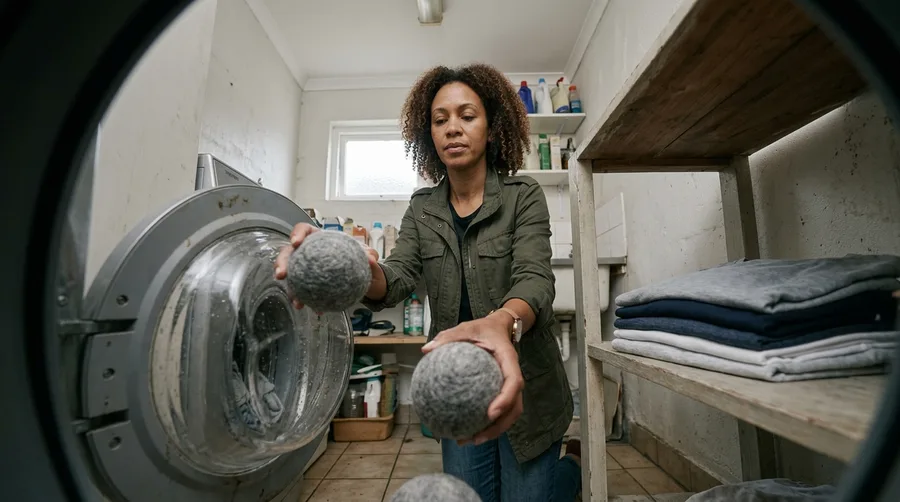
You need scented dryer sheets to keep clothes soft and static-free.
That is the myth the laundry aisle sells you, and it costs roughly $8 to $12 a month for something you literally pull out of the box and throw straight into the trash after twenty minutes.
The trade-off is losing that artificial factory fragrance forever.
You are trading a chemical smell for actual mechanical tumbling, because wool dryer balls bounce around the drum to soften fabric naturally and last for up to one thousand loads before you need to replace them.
If you genuinely miss the scent, add three drops of lavender essential oil directly to the wool balls before tossing them in the dryer.
This week: order a pack of three wool balls for about $10 and stop buying the box of sheets.
7. Plastic Produce Bags
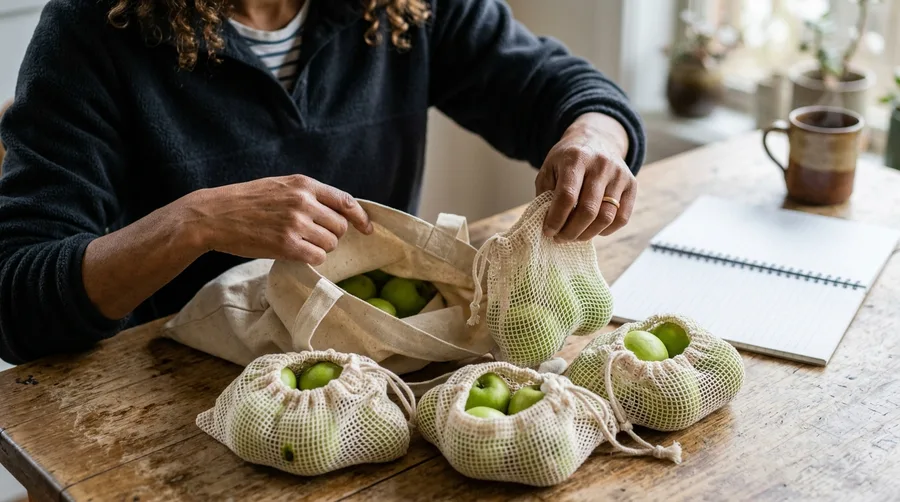
You might worry that ditching plastic produce bags means a chaotic checkout experience or bruised fruit rolling all over your cart.
That hesitation is completely normal when you are trying to change a habit that has been on autopilot for years.
The automation fix here removes willpower entirely by anchoring the new item to the old routine.
Keep five mesh produce bags in your tote bag and leave them hanging right on the kitchen door handle the second you unpack the groceries.
Set your grocery delivery app or store checkout routine to automatically bypass single-use plastic options so you never have to make a choice at the register.
⚠️ COMMON MISTAKE
Buying Too Many Alternatives
Do not run out and buy expensive eco-branded glass jars and designer labels right away. Use the jars from your canned goods first.
8. Disposable Dish Sponges

Check the kitchen sponge you are using right now and notice what it smells like.
Most disposable sponges breed bacteria within days, forcing you to throw them out every week or two and spend roughly $25 a year replacing them without realizing it.
Switch to a wooden dish brush with replaceable natural bristles that lasts six months, and set a reminder on your phone to inspect the head once a month so you catch wear early instead of buying on autopilot.
9. Air Freshener Sprays

Open your windows for five full minutes every single morning to let fresh outdoor air circulate through your entire living space.
Aerosol cans full of synthetic fragrance do not actually clean your indoor air; instead, they coat your nasal passages with chemical masking agents that simply hide odors.
The time-sensitive reality is that indoor air quality directly impacts your daily well-being, and trapping these chemical scents in a small apartment creates subtle respiratory stress that builds up over time.
Most households spend around $15 to $25 every month on various sprays, plug-ins, and automated diffusers that run out every thirty days like clockwork.
I kept three different automatic misters running in my two-bedroom apartment for years before realizing I was literally paying $20 a month to breathe artificial lavender.
If you want a genuinely pleasant aroma while cooking or working from home, simmer a small pot of water on the stove with leftover citrus peels, cinnamon sticks, and a few cloves for twenty minutes.
Your home ends up smelling authentically clean rather than chemically sweet, and you never purchase another metal aerosol can that ends up in a landfill.
Start this simple ventilation habit tomorrow morning before you leave for work.
10. Chemical Dusting Sprays

A $25 microfiber dusting mitt picks up dust dry without any oily chemical residue.
Wash it weekly.
The Four-Step Cabinet Purge
11. Disposable Swiffer Refills
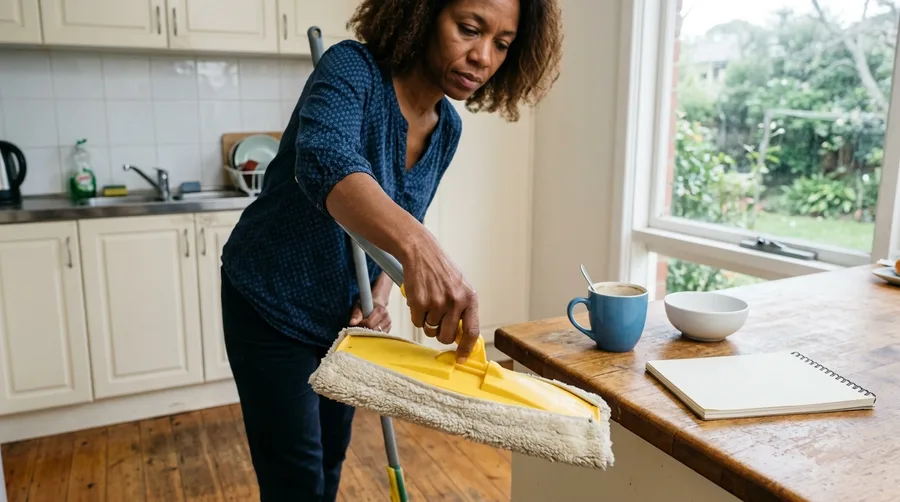
Are you actually keeping track of how much proprietary sweeping pads drain from your household budget every single year?
Buying those branded refills locks you into an expensive cycle at the grocery store that quietly drains your cash flow without you noticing.
If you pull your receipts and run the actual numbers against what you spend on dry sweeping refills, specialty pads cost nearly fifty dollars annually.
Buying a reusable fleece floor cover that attaches to the exact same sweeper head breaks that costly loop entirely and saves you actual cash.
You simply toss it in the washing machine when dirty, and you can talk to a family member about splitting a bulk pack of reusable covers if you want to lower the entry cost even further.
12. Store-Bought Liquid Hand Soap

We buy store-bought liquid hand soap believing it is just a basic utility we have to keep paying for every single week at the grocery store.
When I first looked at my grocery receipts three years ago, I realized I was spending forty dollars a year just on pump soap bottles for three sinks.
The mechanism here is pure marketing mark-up: you are paying mostly for decorative plastic pump housings and the heavy water transportation costs required to ship liquid across the country.
I switched to buying large solid blocks of castile soap and a single giant refill jug of concentrated castile liquid, then poured it into vintage glass pump bottles I found at a thrift store for two dollars.
That single refill container lasts six months per jug, and my skin feels noticeably less dry during winter months because there are no harsh synthetic detergents stripping the natural moisture barrier.
The trade-off is remembering to refill the glass bottles once every few months, which takes about two minutes of actual effort standing at the kitchen counter.
That minor chore saves real cash and keeps dozens of disposable plastic pump mechanisms out of the local landfill every single year without feeling like a sacrifice.
Check your spending log this week and see what your household soap habit actually costs you.
13. Plastic Trash Can Liners
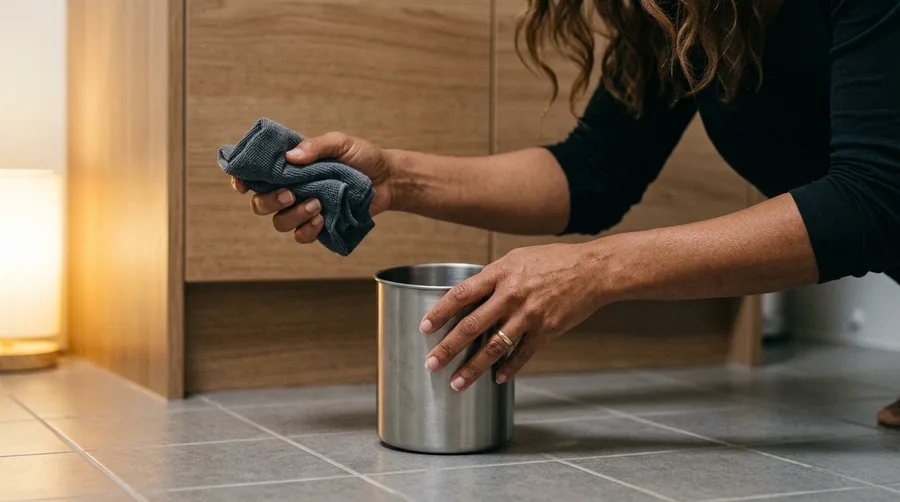
I used to buy those bulk boxes of small scented trash bags for every single bathroom in the house until I added up spending about $35 a year on plastic that goes straight to the curb every Tuesday.
Small bathroom wastebaskets usually only hold dry tissues and cardboard rolls that do not require heavy-duty containment, meaning you can line them with leftover grocery store bags or skip liners entirely and just wash the small bin once a month with hot water and dish soap.
If you are dealing with medical waste or specific household containment needs that require professional guidance, talk to your local public health office or a sanitation expert rather than guessing at what is sanitary for your family.
14. Single-Use Coffee Filters

It feels too small to matter when you toss a few dollars worth of paper filters into your cart every month, but those little boxes quietly bleed your grocery budget dry over five or ten years.
The fix is a permanent stainless steel mesh basket filter that sits right in your machine for about $12 to $15, rinses clean under the tap in ten seconds, and never runs out when you are half-asleep on a Tuesday morning.
This is a tiny system: buy one piece of hardware once, throw out the paper subscription forever, and keep roughly $30 a year in your pocket without changing your morning routine by a single second.
The Cleaning Cabinet Transformation
15. Disposable Food Storage Wraps
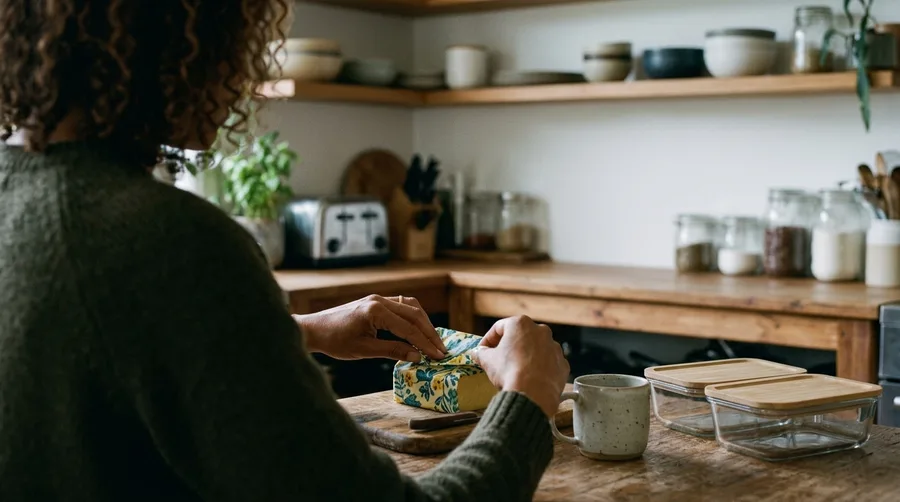
You stare at the mountain of crumpled plastic bags and flimsy wraps after packing lunch and wonder where your grocery money is quietly leaking out.
The nagging fear that your leftovers will instantly spoil without airtight petroleum-based wrap is a genuinely tough mental hurdle to clear. The mechanism is straightforward: breathable beeswax and tight-fitting silicone keep food secure just as effectively, saving you roughly $35 a year in mindless restocking.
Wrap an open block of cheddar in beeswax paper, press the seams down with your warm hands to activate the natural seal, and watch it stay fresh for weeks.
New belief: food preservation does not require single-use plastics to work properly. What I believe now is that spending a little upfront on four durable glass containers saves both your cash flow and kitchen counter space over the long haul.
Start with just one pack of beeswax wraps this week.
16. Store-Bought All-Purpose Wipes
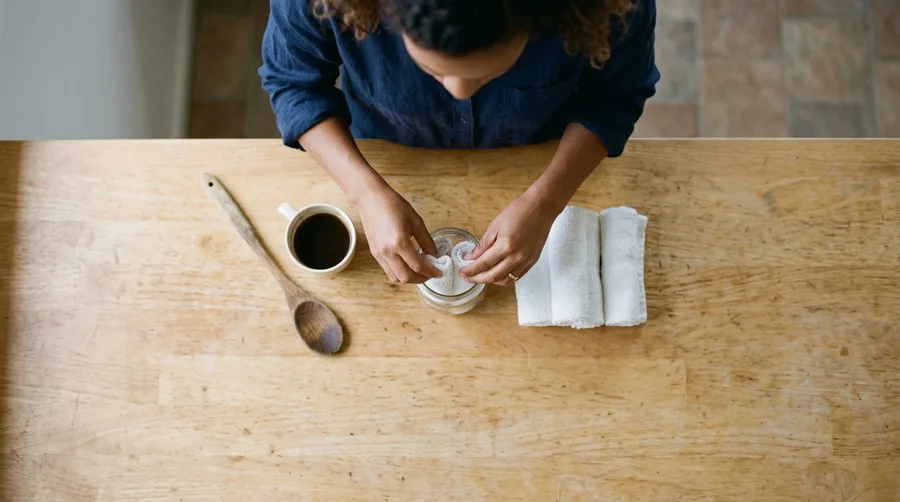
Canisters of pre-moistened disinfecting wipes cost about six dollars for a handful of plastic-mesh sheets that always seem to tear on the sharp edges of your counter.
The common mistake is assuming you need commercial sanitizing chemicals for your daily kitchen wipe-downs when warm water and a tiny drop of regular dish soap remove everyday grease and bacteria just as effectively.
Most of us buy these plastic containers out of pure exhaustion at the end of a long workday, wanting a quick fix that feels like cleaning without the fuss of washing dirty rags.
The mechanism here is simple cash flow psychology: convenience companies know you will happily pay a massive markup for water trapped in a single-use plastic sheet if they make it smell like artificial spring rain.
Switch instead to keeping a small glass jar of damp microfiber cloths right on your kitchen counter where you actually reach for them.
When your jar of cloths runs low at the end of the week, just toss the whole batch into your normal laundry cycle right along with your bath towels.
You end up saving roughly twelve dollars every month, your kitchen surfaces stay clean without leaving behind any sticky chemical residues, and you never have to stand in the grocery aisle wondering which scent is the least offensive.
This simple shift takes exactly two minutes to set up in your pantry, and the financial relief shows up on your very next grocery receipt.
17. Pre-Packaged Drain Cleaning Gels
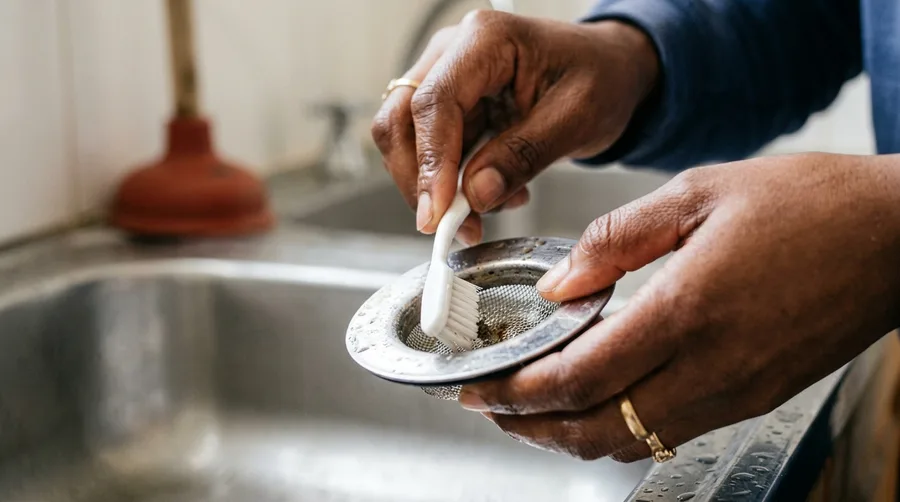
Put away the expensive chemical drain openers sitting under your bathroom sink and grab a reliable manual metal drain snake or a standard rubber plunger instead.
Pouring those branded liquid gels down a slow pipe costs roughly $10 a bottle and quietly corrodes older plumbing infrastructure over time. The honest trade-off here is choosing physical effort over chemical convenience, meaning you have to get down on the floor and pull out the slimy hair and soap buildup with your own hands.
Clear the stopper manually once a month, then flush the entire line with a mixture of boiling water and baking soda to safely dissolve remaining grease.
It costs almost nothing to do.
Take twenty minutes this weekend to tackle your slow drains the right way instead of trusting aggressive chemical fixes that fail. You will save cash, protect your home from permanent pipe damage, and completely avoid facing a massive emergency plumber bill down the road.
Frequently Asked Questions
Is it hard to switch away from paper towels?
It takes about a week to retrain your habit of reaching for paper. Keep a basket of clean cotton cloths right where the paper towels used to live, and the transition happens naturally.
Do DIY cleaners actually disinfect surfaces?
Simple soap and water physically remove grease and bacteria from smooth surfaces effectively. For true sanitizing needs in food prep areas, hot water and basic dish soap handle most daily kitchen tasks.
Won't vinegar smell linger in my house?
The vinegar scent evaporates completely within ten to fifteen minutes as the surface dries. If you prefer a lighter scent, you can infuse your vinegar with rosemary sprigs or lemon peels before bottling.
How much money will I actually save each month?
Most households save between thirty and sixty dollars a month just by dropping paper goods, specialty cleaners, and single-use laundry products from their regular grocery bill.
Start With This One
You do not need to overhaul your entire cleaning cabinet by Friday afternoon to make this work.
Pick just one item from this list — paper towels or glass cleaner — and replace it with a reusable alternative on your next shopping trip.
Small, consistent changes build a calmer budget and a simpler home.