

You log into your bank account on a Tuesday morning and see the exact same balance staring back at you.
Nothing grew while you were sleeping.
True passive income is not a magic trick, and it certainly is not free. Every recurring revenue stream requires a significant upfront payment in one of two currencies: liquid cash you already saved, or hundreds of hours of unpaid labor you commit on weekends.
You just have to pick your price.
Quick Tips Before You Start
Audit Your Time
Decide right now if you have $10,000 to invest or 10 extra hours a week to work.
Pick One Currency
Spend cash or spend sweat equity, but do not try to stretch both at the same time.
Ignore the Hype
If someone promises a strategy is both free and fast, they are selling you a product.
Capital-Intensive Streams Requiring Direct Cash Investment
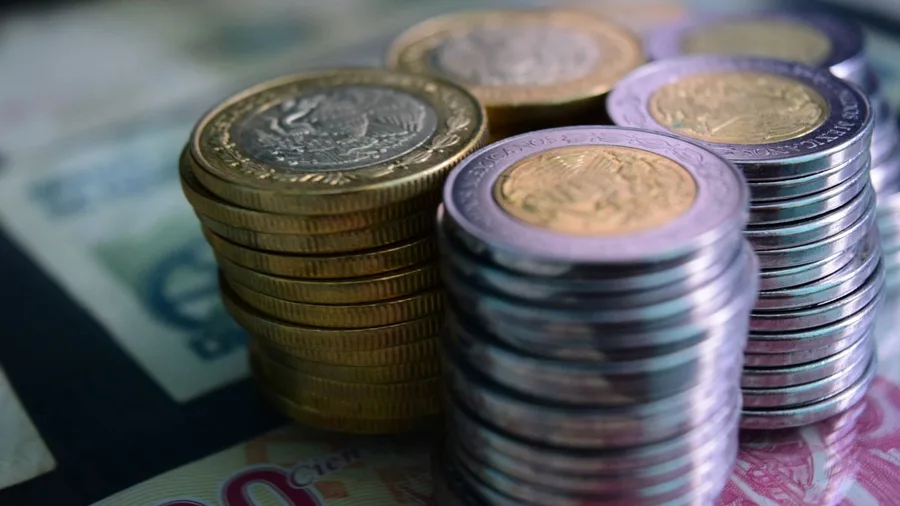
If you already spent years saving a pile of cash, this is where you deploy it. These methods convert liquid capital directly into passive returns with almost zero operational effort on your part, allowing your money to do the heavy lifting while you focus on your actual life.
The trade-off is the steep entry price.
| Income Stream | Upfront Capital Required | Upfront Labor Hours | Expected Annual Yield or Profit Margin |
|---|---|---|---|
| High-Yield Cash Accounts | $1,000 to $10,000 | Zero | 4.5% to 5.2% APY |
| Rental Properties | $20,000 to $50,000 | High (if self-managed) | 6% to 10% cash-on-cash |
| Dividend Portfolios | $25,000 | Zero | 4% average yield |
| Digital Templates | $0 to $100 | 40 to 80 hours | 70% to 85% net margin |
| Affiliate Content | $50 to $150 | 100+ hours | $200 to $1,500 monthly (eventually) |
1. High-Yield Cash Accounts Earn Five Percent With Zero Labor

For years, accounts paid so little that leaving cash there felt wrong, but that math has flipped.
The stuck belief is that passive income must be complicated to be real. You see people building complex portfolios, and it feels like you missed a step if you just open a savings account. But converting liquid cash into a guaranteed return with zero operational effort is true passive income.
The reframe is realizing that a high-yield savings account or a certificate of deposit is a product that pays you to sit still. You are trading maximum market returns for absolute safety.
To change your monthly cash flow, you need somewhere between $1,000 and $10,000 in principal. At current rates of 4.5% to 5.2% APY, a $10,000 balance hands you about $500 a year for doing nothing. Seeing my first small interest payment was the moment passive money clicked for me.
These accounts give you complete liquidity and FDIC insurance, meaning your money is federally protected up to $250,000. It is risk-free cash flow that requires zero hours of your week.
The catch is inflation.
Over a multi-year holding period, rising prices will eat into the real purchasing power of those dollars. You are not going to outpace a hot stock market with a bank account. This path is entirely for the person who values a zero-time, zero-risk commitment over getting the absolute highest yield possible.
Check what your current bank is paying you right now. If it is less than four percent, open a new high-yield account this afternoon and move your idle cash over.
Best For
2. Rental Properties Demand Tens Of Thousands Upfront Plus Reserves
It is entirely normal to look at the housing market and feel priced out. Stepping away from the safety of a savings account for the cash flow of physical real estate means hitting a huge capital wall. Getting in takes a $20,000 to $50,000 down payment, plus a non-negotiable $10,000 emergency fund for when the water heater bursts.
The honest trade-off here is giving up yield for sanity.
Properties offer a 6% to 10% cash-on-cash yield, but vacancies and structural repairs eat those margins fast. Self-management takes serious hours, so most people pay an 8% to 10% management fee to buy back their time. Look at your local listings today and calculate what twenty percent down actually costs in your zip code.
Property Management Trade-Offs
Self-Managed
- Keeps full 6% to 10% yield
- Requires middle-of-the-night maintenance
- Direct tenant communication
- Functions as a part-time job
Hiring a Manager
- Costs 8% to 10% of gross rent
- Handles all tenant complaints
- Coordinates licensed contractors
- Creates true passive cashflow
3. Dividend Portfolios Require Substantial Capital For Meaningful Cashflow
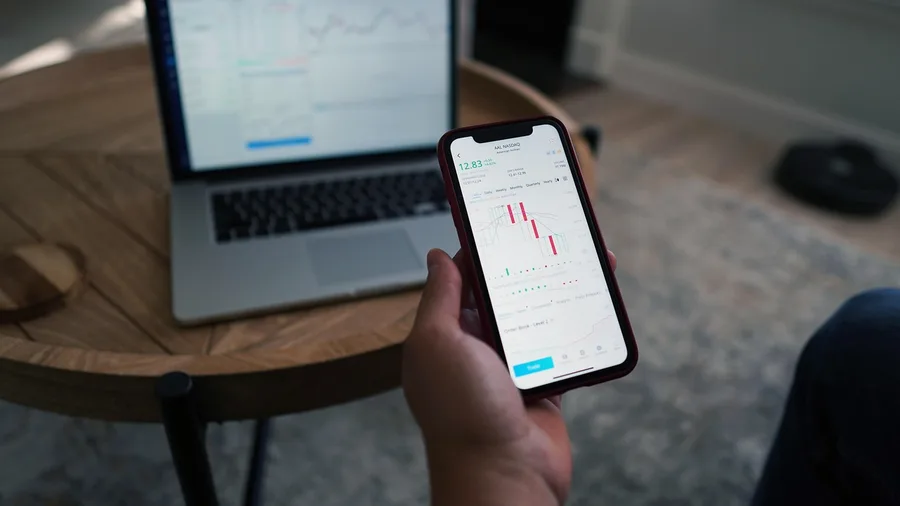
Point your cash at the stock market if a massive property down payment is out of reach but you still want a liquid place to park large reserves. Dividend-paying stock index funds provide automated payouts that scale with your balance. Generating $1,000 in annual cash takes roughly $25,000 invested at a 4% yield.
The market drops will test your nerves.
Volatility introduces principal risk you never see at a bank. When you review this at tax time, check two specific details: whether your distributions are qualified or non-qualified since the tax rules differ, and if automatic dividend reinvestment is active. That single checkbox drives your long-term compounding with zero extra effort.
The $1,000 Dividend Math
Assuming a 4% average portfolio yield (not guaranteed)
4. Real Estate Crowdfunding Lowers Property Entry To Five Hundred

$25,000 in an index fund is a steep hill to climb just to see a payout, but commercial property syndication lets you buy a tiny slice of an apartment building for a fraction of that. Platforms pool money from thousands of people to fund large-scale developments, meaning you collect the rent without ever fixing a toilet or screening a tenant.
The barrier to entry drops hard here, with minimums typically sitting between $500 and $5,000. For that buy-in, platforms target annual returns around 7% to 11% based on whether they fund the debt or hold equity.
But that lower cash barrier costs you your liquidity.
Most of these deals lock your capital in for a rigid three-to-five-year holding period. You cannot pull your money out on a Tuesday just because your transmission blew, and platform management fees skim a percentage off the top before you ever see your cut.
Because that locked timeline carries real opportunity cost, and the tax reporting on syndication gets messy, run this past a CPA to see how a K-1 tax form actually hits your specific bracket.
⚠️ COMMON MISTAKE
Ignoring the Lockup
Do not put your emergency fund into real estate crowdfunding. Your money is generally locked in for 3 to 5 years, and early withdrawals carry severe penalty fees.
5. Peer Lending Yields High Interest But Bears Credit Risks
Peer-to-peer lending platforms let you act as the bank by funding unsecured consumer debt. While physical property locks up cash in a heavy asset, consumer loans let you deploy smaller capital pools across hundreds of borrowers.
You bring a starting allocation of $1,000 to $5,000, and the platform slices that money into tiny $25 increments to fund personal loans. After the platform takes its management fees, those scattered notes target a blended return of 6% to 9% in monthly interest payments.
You can begin with a single $25 note.
That tiny starting line protects your money. Spreading your risk across $25 fractions is mandatory because these consumer loans lack collateral protection. There is no house to foreclose on if a borrower defaults, so expecting a few notes to fail is just part of the math.
Once you set up an automated reinvestment rule, the platform sweeps those interest payments straight into new $25 loans. The compound interest builds quietly without you logging in to monitor it daily.
💡 PRO TIP
Automate the Reinvestment
Set the peer-lending platform to automatically buy new $25 notes whenever loans are repaid. If you leave the cash sitting uninvested, cash drag ruins your yield.
Sweat-Equity Streams Requiring Upfront Labor Over Capital

When you do not have tens of thousands of dollars to invest, you have to spend your weekends instead. These models cost almost nothing to start, but they demand hundreds of unpaid hours before a single dollar hits your bank account.
Your time is the startup capital.
6. Digital Templates Require Zero Capital But Upfront Design Hours

It feels exhausting to realize that when your capital reserves drop to zero, building an income stream shifts entirely to unpaid labor. Creating downloadable digital products requires no warehouse and zero inventory, but it demands an intense upfront grind. Starting costs range from $0 to $100 using cheap graphic design tools, but you pay the rest in sweat.
The repeatable system is strict: research niche keywords, spend 40 to 80 upfront hours building the templates, and list them. That keyword focus is what secures automated sales without ongoing labor in a saturated market.
After marketplace fees, net margins hit 70% to 85% per sale.
Digital Template Startup Costs
7. Affiliate Content Needs Upfront SEO Writing Before Automated Commission

People talk about affiliate sites like you throw up a few links and the internet pays you forever. The reality is you are trading cash for months of completely unpaid writing. I bought my first hosting plan for about $120 for the year, then spent almost every evening typing into a void.
It takes roughly 100 hours of initial article creation just to get indexed. If the plan works, the payoff hits six to twelve months later, generating $200 to $1,500 a month in automated commissions.
Then a search algorithm updates and wipes out half your traffic.
8. Print On Demand Trades Design Effort For Zero Overhead

I kept boxes of unsold t-shirts in my garage for two straight years before I finally accepted that you do not have to buy the stock to sell the shirt. Physical merchandise no longer requires risking a single dollar on warehouse space, provided you already have people paying attention to your work.
You hold absolutely zero upfront inventory risk.
A print-on-demand service handles the printing, packing, and shipping only after a customer actually completes a purchase. Because you skip the upfront cash investment, your per-item profit margins sit at a low 15% to 25% compared to a traditional bulk order.
The common mistake is thinking a clever design will sell itself. It usually falls flat. This setup is for creators who already have an audience on another platform to drive automated sales.
Even with the shipping completely outsourced, getting a store off the ground is a real project. You still have to invest 30 to 60 hours of design and upload work just to build a catalog competitive enough to look legitimate.
9. Online Courses Require Massive Upfront Creation Before Hands Off Sales

60 to 120 hours. That is the reality of the initial scriptwriting, filming, and editing phase. Designing merchandise takes a few weekends, but building an educational video course demands intense upfront planning. It costs virtually nothing to deliver the files to a new student, but the creation period is exhausting.
Once the class is finally live, you can step away from the camera. An automated email funnel does the daily work of converting your passive internet traffic into enrolled, paying students.
The money you actually keep depends entirely on how much control you hand over to the software. Platform fee structures range from a basic 3% for payment processing on your own site, all the way up to a 50% marketplace cut if you rely on them to find your buyers.
You either pay in independent marketing effort, or you pay in profit share.
This revenue is never entirely permanent, either. Ongoing passive sales require periodic content updates to stay relevant, because a buyer will refund a course instantly if the first video shows an outdated interface.
That ongoing maintenance is the hidden cost.
You absolutely do not have to film a massive signature program this year if your schedule is already full. If the idea of spending a hundred hours in front of a camera makes you avoid starting at all, just scale it back. Film a single, focused 20-minute workshop that solves one specific problem.
Sell that smaller product for $20 to test the delivery system. Get the small win first before you commit a month of weekends to a giant project.
10. Stock Photo Portfolios Demand Upfront Licensing Effort For Residuals

Staring at a desktop folder holding four thousand untouched photos from a past trip highlights a massive missed opportunity. Unlike a video curriculum that demands a punishing, unbroken block of upfront creation, licensing images to digital agencies relies on steady, ongoing micro-efforts. Every delayed upload is lost search visibility.
The baseline equipment is just the smartphone already sitting on the desk or the camera gathering dust in the closet. Real traction requires reaching a minimum of 500 approved image submissions.
This is a volume game driven entirely by commercial relevance and exact keywording to capture long-term search traffic. Earnings build painfully slowly over those first few months, requiring significant portfolio depth before the algorithm actually starts yielding results. Typical royalty payouts range from $0.25 to $3.00 per download across major stock agencies.
Those tiny fractions of a dollar eventually stack into steady residuals.
The clock on that mandatory waiting period starts the moment the first batch goes live. Uploading ten images today means the slow algorithmic aging process begins right now instead of next year.
Frequently Asked Questions
Is it too late to start investing for passive income at 40?
It is not too late. The math simply requires a higher savings rate to catch up, but a high-yield account or dividend portfolio still compounds exactly the same way. Focus on consistency over finding a perfect investment.
Should I pay off debt or save for a rental property first?
Pay off high-interest consumer debt first. A rental property might yield 8%, but a credit card charges 20%—carrying that debt while saving for a down payment mathematically pulls you backward.
How much should I have in my emergency fund before buying stocks?
Aim for one month of bare expenses first, then build toward three to six months. You need that cash buffer so you do not have to sell your dividend stocks at a loss when the car breaks down.
Is creating an online course genuinely passive?
Not at the start. You will spend roughly 100 hours building it and setting up the marketing funnels. The income only becomes passive after the automated email systems take over the sales process.
Do I need a massive audience to make affiliate marketing work?
No, but you do need strict niche focus. Answering highly specific search queries allows you to capture organic traffic without paying for ads, though it takes six to twelve months for search engines to rank your content.
Choosing Your First Passive Revenue Engine
Take a hard look at your bank balance and your weekly calendar to figure out exactly what resources you have right now. Pick one capital-heavy or sweat-equity stream to launch this weekend, and commit to it.
Earning money while you rest requires deliberate action while you are awake.
Passive income is never actually free. You pay for it in advance with your cash or your time, so that next month, the electric bill gets paid without you having to transfer a dime.
Audit Your Time and Cash
Review the comparison table at the top of this page to choose a path that fits your actual resources.