
Money is tight, and the math never quite works out by the end of the month. You skip a bill here, juggle a payment there, and hope nothing breaks.
It is exhausting to feel like you are running twice as fast just to stay in the exact same place. You are not bad with money. The system itself is simply designed to extract more from those who have the least.
This is what economists call the poverty tax. It is the silent surcharge added to everyday life when you lack cash reserves, good credit, or a stable cushion.
Let us look at how it works, where it shows up, and the specific moves you can make to stop the bleeding.
Quick Tips Before You Start
Stop the Shame
A tight budget is a math problem, not a moral failing.
Audit the Fees
Check your last three bank statements for hidden overdraft charges.
Focus on Basics
Prioritize housing, food, and utilities over every other debt.
1. The Overdraft Trap

Many believe bank fees are just a minor annoyance for forgetting to balance a checkbook.
That is a myth.
Banks routinely charge thirty-five dollars for a single transaction that overdraws an account, even if it is a three-dollar coffee or a small utility payment.
If you have four small purchases clear while your balance is negative, you can easily rack up one hundred forty dollars in fees on a tiny shortfall that started at less than twenty dollars.
This mechanism relies entirely on cash flow timing, hitting hardest when your balance sits near zero and your paycheck is still three days away.
It turns a temporary cash shortage into a massive banking penalty that eats straight into grocery money.
The automated fix is simple and non-negotiable if you want to stop the leak for good.
Call your bank today and opt out of overdraft protection entirely so transactions simply get declined at the register instead of triggering punishing fees.
Take four minutes in your banking app right now to locate the overdraft settings and turn it off completely.
Do it once, and you never pay that penalty again.
⚠️ COMMON MISTAKE
The Overdraft Opt-In Illusion
Banks often market overdraft protection as a helpful safety net. In reality, it is a high-cost loan for your own money.
2. The Cost of Buying in Small Quantities
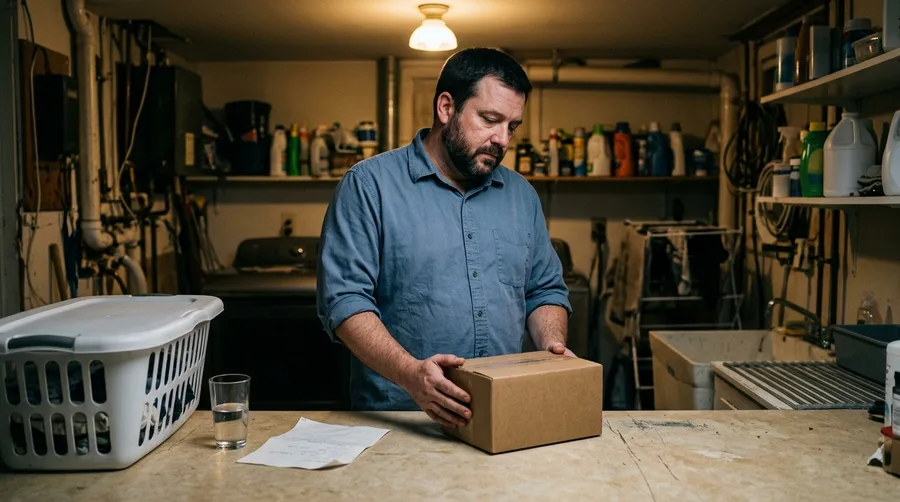
Can you afford to buy laundry detergent in bulk when a giant jug costs twenty-four dollars?
When cash is tight, you buy the single-load box at the corner store for two dollars. Over a month of washing clothes, you end up spending six dollars for the exact same amount of detergent that costs two dollars at a big-box store.
This bulk penalty applies to toilet paper, rice, soap, and diapers. Low-income households spend significantly more per ounce because they lack the upfront capital to buy volume.
The mechanism is simple arithmetic working against you: cash-flow scarcity forces you into high unit prices, which drains more of your weekly grocery envelope than it should.
Start small by pooling resources with a neighbor or roommate for club store runs this weekend, splitting a bulk pack of essentials to capture the lower unit price without draining your cash.
Bulk vs Small Quantity — The Unit Math
📦 Bulk Buy Cost
$0.10 per ounce
🛒 Single Pack Cost
$0.35 per ounce
📉 Annual Loss
$300+ extra spent
The Reality
Poverty forces people to pay a premium for basic household goods.
3. High-Interest Alternative Financial Services

When an unexpected car repair or medical bill lands, traditional banking options vanish if your credit score is low.
Payday lenders and check-cashing services step into this gap with short-term cash advances that carry annual percentage rates soaring past four hundred percent. A three-hundred-dollar loan turns into a six-hundred-dollar trap within a few short weeks.
This is a moment to talk to a nonprofit credit counselor or look into local community assistance funds before signing anything. Your local community action agency often emergency-funds utility shutoffs or repairs without the predatory interest.
Run your numbers against local credit union options first. They frequently offer small, low-interest hardship loans designed to break the payday loan cycle.
I once looked at a short-term advance when my transmission dropped, and realizing the math would double what I owed made me walk out empty-handed. Take that pause before you sign.
The True Cost of Short-Term Debt
Federal Reserve consumer credit release data averages
4. Subprime Auto Loans and Transportation Penalties

Eighteen to twenty-two percent interest rates turn a basic used car into a financial trap.
You need the vehicle to get to work every day, but the monthly loan payment eats up half your paycheck.
The honest trade-off is brutal: you are overpaying for transportation just to keep earning income, leaving zero room for any other unexpected bill.
Before you sign a high-interest auto loan, run the total cost of the vehicle through a basic interest calculator and check if a cheaper cash car or public transit can buy you six months of breathing room.
Subprime vs Standard Auto Financing
Subprime Auto Loan
- Interest rates above 18 percent
- Extended loan terms past 72 months
- High risk of vehicle repossession
- Mandatory expensive dealer add-ons
Credit Union Financing
- Interest rates under 7 percent
- Shorter terms up to 48 months
- Lower total cost of ownership
- Transparent fee structure
5. The High Cost of Renting Without Strong Credit

I sat in my car outside a rental office three years ago, staring at a rejection letter because my credit score was sitting under six hundred. The landlord wanted three months of rent upfront plus a non-refundable application fee just to look at the paperwork.
Scarcity tells you that bad credit is permanent and you just have to accept whatever overpriced apartment will take you. My credit history reflects past financial survival, not my current ability to pay rent on time every month.
Gather proof of twelve consecutive months of on-time utility and rent payments from your current landlord to bypass traditional credit checks with private owners.
💡 PRO TIP
Alternative Proof of Rental History
Ask your previous landlord for a signed letter of reference confirming your zero late payments over the past year.
6. Banking Deserts and Check-Cashing Fees
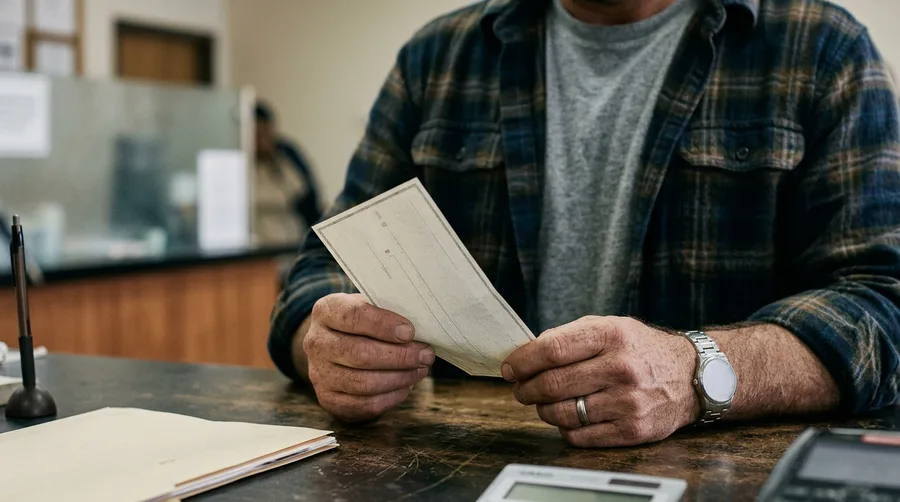
It feels humiliating to pay a fee just to look at your own money.
I spent years handing over three percent of every single paycheck to a storefront window simply because my neighborhood lacked a standard bank branch.
In low-income zip codes across the country, traditional brick-and-mortar banks pull out entirely, leaving check-cashing joints to fill the gap and take a direct slice of your hard-earned wages.
If you cash a weekly paycheck of six hundred dollars and pay a three percent fee, you lose eighteen dollars every single week.
That adds up to nearly one thousand dollars a year handed over just to access the cash you already worked for.
The mechanism is a penalty on cash dependency, punishing people who live outside the traditional financial system by making basic liquidity expensive.
Switch instead to an online no-fee checking account with direct deposit capability, or find a local credit union that waives monthly maintenance fees with low balance thresholds.
This week: look up online checking options that require no minimum balance and set up your direct deposit to skip the window forever.
7. The Three-Bucket Cash Flow System
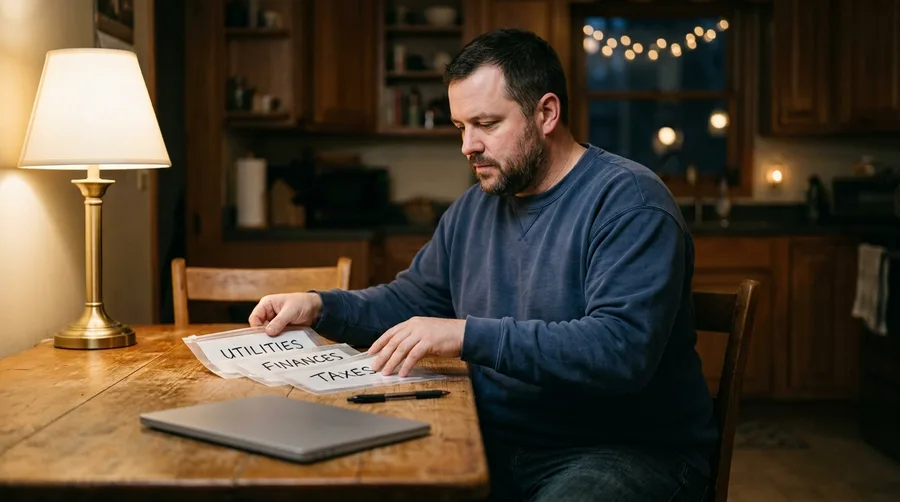
Split every single paycheck into three distinct accounts or buckets before you spend a single dollar on anything else: fixed bills, debt minimums, and flexible spending.
Moving your fixed rent and utility money on payday morning changes everything because it ensures those obligations are met before discretionary purchases even have a chance to drain your account.
Taking five minutes in your banking app to set up these automated transfers removes willpower from the equation entirely, leaving you with about $50 to $150 a week in flexible cash that you can spend without guilt or anxiety.
Three Buckets – The Numbers Behind It
8. Monthly Financial Review Cadence

You do not need to track every single penny to make progress, and abandoning a spreadsheet out of exhaustion does not mean you have failed.
Set aside fifteen minutes on the first Sunday of every month to check three specific numbers: total cash on hand, total credit card balance, and upcoming irregular expenses for the next thirty days.
This quick monthly check-in stops small leaks from turning into major emergency crises before they can catch you off guard.
Keep your review simple and focus entirely on trends rather than perfection, looking at whether your cash buffer grew by even $25 compared to the month before.
I used to spend four hours reconciling every receipt and ended up hating the entire process, so scaling it back to these three data points is the only reason I kept doing it.
9. Avoiding Predatory Rent-to-Own Traps
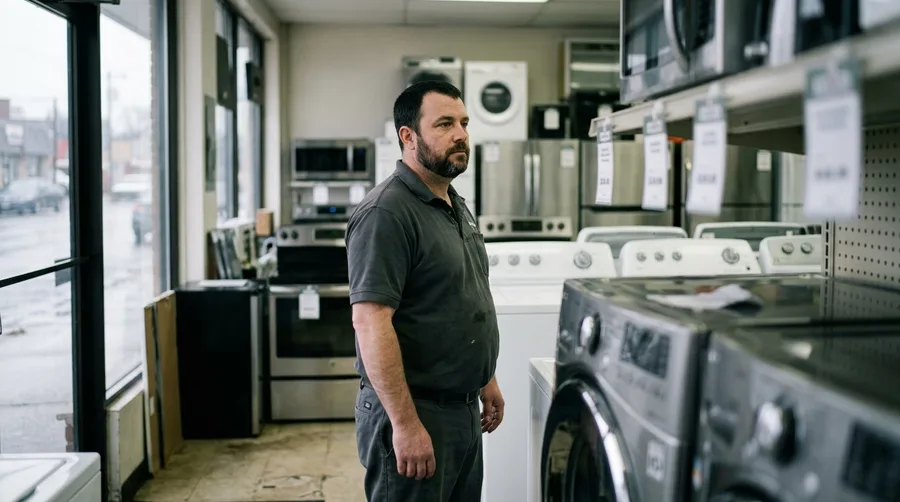
Are you paying double for furniture and appliances through weekly rent-to-own installments?
Rent-to-own stores target cash-strapped households by advertising low weekly payments for couches, TVs, and refrigerators, but the math is brutal. When you add up every single installment, a six-hundred-dollar washing machine often ends up costing eighteen hundred dollars.
The fix is clear and saves you hundreds of dollars in hidden costs. Skip rent-to-own entirely, and look for local buy-nothing groups, thrift stores, or community assistance programs to acquire household goods safely without crushing interest.
Frequently Asked Questions
How can I build savings when my income is extremely tight?
Start with a tiny automated transfer of five or ten dollars per paycheck. Consistency matters far more than the initial amount when building a cash cushion.
Should I pay off debt or build an emergency fund first?
Build a small five-hundred-dollar buffer first. Without any cash cushion, every minor surprise forces you right back into high-interest debt.
Are credit builder loans safe to use?
Many credit builder loans are safe if they report to major bureaus without hidden maintenance fees, but always check the terms for annual percentage rates.
What should I do if I am facing immediate utility shutoff?
Contact your utility provider immediately to ask for hardship programs, and call local community action agencies that specialize in emergency utility grants.
Your First Step This Week
You do not have to fix your entire financial situation by Friday afternoon. Pick just one fee to eliminate this week—turn off bank overdrafts or open a no-fee checking account.
Small changes compound over time, giving you back control over your hard-earned money.