

You sit down at your kitchen table at 9:00 PM, stare at a half-finished laptop screen, and wonder why you are doing this.
The first month feels like momentum. By week seven, the novelty is gone, the hours are heavy, and the bank account still looks the same.
It is not a failure of character. It is a predictable trap.
I spent my first three attempts burning out by mid-February before figuring out what actually keeps a project alive.
Quick Tips Before You Start
Time Caps
Limit daily work to one hour so you do not quit by Friday.
Zero Spend
Use tools you already own before buying software.
Track Hours
Measure output by time invested, not revenue made.
1. The Illusion of Fast Money

Did you expect the first payout to cover your grocery bill?
I remember making $14 on my first online project after twenty hours of work and feeling completely hollow. That belief is the exact reason most people close their laptops for good by week seven, chasing quick returns instead of building actual momentum.
Real projects take months to clear overhead and generate clean profit, not days. Check your cash flow expectations right now and plan for a 90-day runway before your first real dollar of profit.
💡 Tip: Write down your actual hourly return after month one.
⚠️ COMMON MISTAKE
Ignoring Your Real Hourly Rate
Working twenty hours for forty dollars destroys your motivation. Calculate your return early.
2. Fixing the Wrong Daily Habits

I once spent four hours tweaking a logo instead of talking to a single potential customer, convincing myself I was building a brand.
That is avoidance disguised as productivity, and it feels infinitely safer than facing actual market rejection or hearing a flat "no." When you do not know how to sell your work, you organize fonts and rewrite your bio for the third time this week.
We focus on the decorative parts of a project because they provide an immediate hit of accomplishment without any real-world risk. Changing a color palette feels like hard work, but it keeps you safely hidden behind a screen where nobody can tell you your offer needs actual validation.
Stop polishing the invisible edges and ship the raw product into the world.
Your action for today is straightforward: close the design software completely, write down three specific names of people who might benefit from what you are building, and send them a direct message within the next 30 minutes.
The Four-Step Reality Check
3. Starting With Twenty Five Dollars

Twenty five dollars is all it takes to see if anyone cares.
You do not need a five hundred dollar LLC, fancy custom branding, or a leased office space to test a side hustle. Most people stall out at the starting gate because they think they need a massive war chest just to launch an idea. The truth is that spending hundreds of dollars upfront only raises the emotional pressure and makes every minor stumble feel like a devastating financial blow.
Even twenty five dollars for a basic domain name is enough to put a simple landing page online and gauge real interest from actual humans.
Consistency beats capital every single time you try to build something new from scratch. When you start with a tiny budget, you force yourself to focus entirely on the core value of your offer instead of hiding behind expensive software and endless planning. You learn how to solve real problems without burning through cash reserves you cannot afford to lose.
Losing twenty five dollars teaches you a lesson cheaply.
Quitting also feels completely unnecessary when you have barely risked any money, which keeps you in the game long enough to see what actually works.
I spent months overthinking my first project before realizing a small experiment costs less than a single night of takeout. The fear of wasting a tiny amount of money is usually just disguised perfectionism keeping you stuck on the couch, waiting for a green light that never comes.
This week: buy one domain and nothing else.
What Works vs What Fails
Do This
- Limit work blocks to one hour
- Talk to buyers immediately
- Track hours and revenue
Avoid This
- Spending weeks on a logo
- Buying expensive software
- Working without a schedule
4. Believing You Are Just Lazy

Stop calling yourself lazy when you skip budgeting on a Thursday night.
The exhaustion you feel is not a character flaw, but the natural result of running a financial system that demands constant willpower instead of automated structure. When every single purchase requires a mental negotiation, burnout is guaranteed.
New belief: my fatigue is a design problem, not a personal failing. Take fifteen minutes this weekend to set up one automatic transfer of $25 into a separate account and let technology carry the weight.
💡 PRO TIP
Build a Simple Routine
Anchor your work block to an existing daily habit like morning coffee.
5. Reviewing Your Numbers Monthly

Open your spreadsheet once every thirty days to look at just two metrics instead of drowning in a dozen confusing charts: total hours spent and actual dollars earned.
Most side hustles quietly fail because people wait for a major crisis or an empty bank account before checking their progress, by which point the burnout is already absolute.
Calculate your effective hourly return by dividing your monthly earnings by the exact hours you logged, and if that ratio is moving backward compared to last month, your offer needs an immediate change.
I spent six months ignoring this step while running my own small project, assuming that more raw effort would eventually solve a broken pricing structure.
Set a calendar reminder for the final Sunday of every month to run these numbers, then close the tab and leave the math alone until the next check-in.
6. The Three Bucket Cash Split
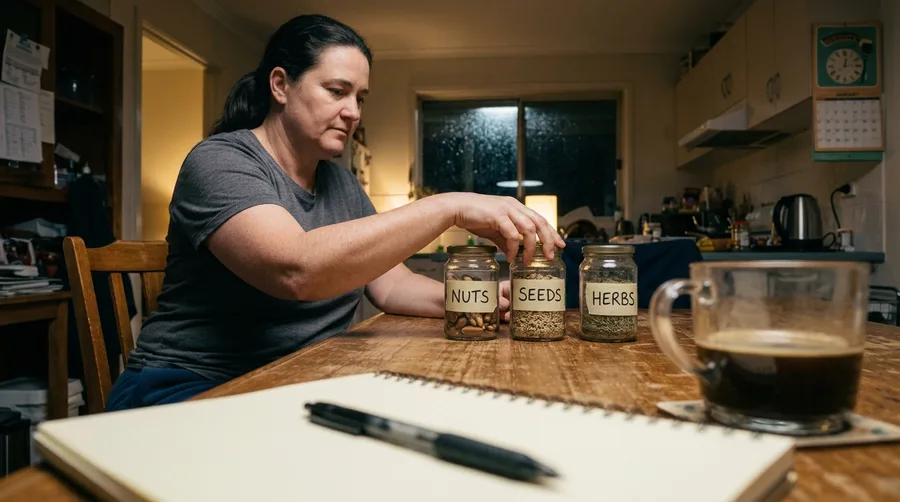
It is completely normal to feel overwhelmed when side earnings and regular paychecks blur together into one confusing pile of money.
Keeping side income completely separate changes everything because it stops you from accidentally spending cash you actually owe for taxes.
We use a simple allocation system of fifty percent for taxes, thirty percent for business growth, and twenty percent straight into personal savings.
Open a separate digital checking account this week and set up an automatic percentage split the moment your next payout arrives.
Side Hustle Health — At a Glance
⏱️ Weekly Time
5 to 10 hours
💵 Start Cost
Under $50
🎯 First Milestone
First dollar earned
Core Rule
Keep your overhead low until revenue proves the model.
7. Giving Yourself Permission to Scale Back
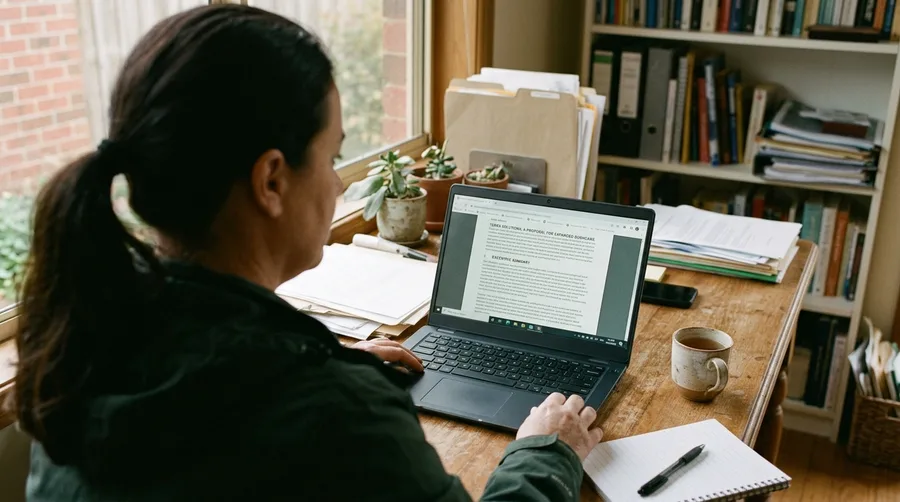
You are staring at a second job schedule that leaves you four hours of sleep and a cold dinner, wondering why you ever thought this was sustainable. It is the exact moment most people throw their hands up and quit the whole thing.
Dropping down from twenty hours a week to five focused hours is not failing, it is adjusting the load so you do not break. You still make $150 or $200 a month at that lower pace, and consistency beats burnout every single time.
This week: cut your hours in half and protect those five remaining blocks like they are rent money.
Your First Seven Weeks
8. The Danger of Waiting for Perfection

You are probably waiting for the right month, the right laptop, or the clean slate that never actually arrives.
Waiting for perfection is just fear in disguise, keeping you frozen while the weeks slip past.
Compound interest rewards the person who starts before they are ready, because time in the market beats waiting for the ideal moment every single time.
Federal data from the Bureau of Labor Statistics shows that roughly twenty percent of small ventures fail within the first year, and the vast majority of those closures stem directly from a lack of cash flow rather than a lack of polish or a flawed logo.
You do not need a brand new website or a custom logo to earn your first fifty dollars; you just need to start with whatever tools are currently sitting on your kitchen table.
Drop the delay and take one messy action this afternoon.
9. When to Talk to a Professional

Are you trying to figure out the tax implications of your side project all by yourself?
It is the exact moment when figuring it out on your own stops saving you money and starts costing you peace of mind.
Most of us wait far too long to bring in an expert because we assume professional help is only for high earners.
That hesitation is completely understandable when every dollar feels precious and you want to keep your overhead near zero.
If you are pulling in over five hundred dollars a month consistently from your project, it is time to talk to a certified public accountant.
Protecting your downside matters just as much as growing your top line, and a missed tax form can quietly erase months of hard work.
I learned this the hard way during my second year when a surprise self-employment tax bill wiped out my buffer.
This week: search for a local fee-only tax professional who understands small independent projects and schedule a brief initial consultation.
10. Automating Your Weekly Transfers
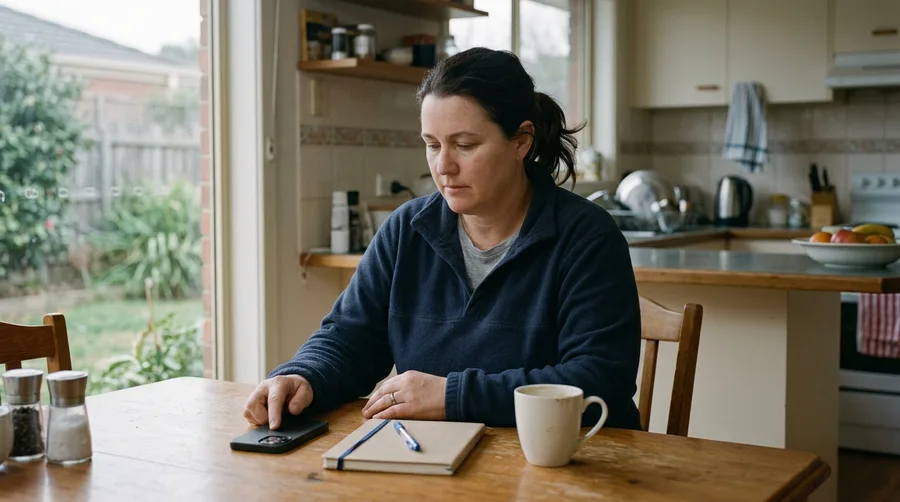
7 days a week, waiting for the right moment to save means your hard-earned money quietly vanishes into everyday spending before you even notice it leaving your checking account.
I used to manually move money every single paycheck, and every single time, I found a convincing excuse to skip it because rent or groceries felt slightly tighter than usual. Willpower is a terrible financial strategy because it relies entirely on you feeling disciplined when you are already stressed and tired.
Set up an automatic transfer of 10 percent of your income every Monday morning straight into your tax or savings account before you log onto your banking dashboard to look at your balance.
By taking the decision out of your hands entirely, you completely remove the emotional friction of parting with cash, turning saving into a reliable background process instead of an exhausting daily negotiation.
Open your mobile banking app right now, find the recurring transfer menu, and schedule that Monday deposit so you never have to worry about your savings again.
11. The Hidden Costs of Free Tools

It is completely normal to feel like you need to protect every single dollar by refusing to spend anything on tools when you are first trying to get your side project off the ground.
The hidden trap with completely free software is that you often end up paying with your time instead of cash, sinking ten hours of troubleshooting into a buggy interface just to avoid a minor upfront fee.
I spent an entire weekend trying to force a clunky, open-source template to track my income before I realized my personal time was worth way more than the frustration it caused.
Sometimes spending twenty dollars on a stable, well-designed tool is the exact trade-off that preserves your energy, protects your schedule, and keeps you from abandoning your goals out of sheer exhaustion and burnout.
This week, take a hard look at the free apps you are constantly wrestling with and give yourself permission to invest a small, fixed amount in reliability so you can focus on making real progress.
12. Setting Up Guardrails for Focus

Lock in two specific hours on Tuesday and Thursday evenings for execution and protect that time like you would protect a non-negotiable appointment.
Willpower is a finite daily resource that drains completely by the end of a regular workday, so relying on evening motivation is the exact reason side projects stall out before bringing in their first $100. When you remove daily choices about when to start, the mental friction disappears and the actual execution happens smoothly.
I used to believe I could just hustle whenever inspiration struck, which usually meant staring at a blank screen at eleven o'clock at night until frustration won and I closed the laptop.
Turn off every single notification on your phone and physically place the device in another room while those two dedicated hours are running. That simple physical barrier stops your brain from splitting its focus every time a pointless alert lights up the desk.
Open your calendar app right now and block those four weekly hours before the week gets away from you.
13. Checking Your Assumptions Quarterly

You assume the side hustle is working just because you are busy every single night.
That feeling of being constantly exhausted is not the same thing as actual growth.
Pull up your numbers every ninety days and check your conversion rate to see if anyone is actually buying your stuff instead of just looking.
If that metric is flat for two quarters straight, stop what you are doing and change your offer before you burn out completely.
I wasted six months tweaking a landing page nobody wanted because I refused to look at the raw sales data.
Open your spreadsheet this Sunday and write down the actual revenue next to the hours you spent making it.
14. How I Rebuilt After Two Failures

You feel completely exhausted before the sun even comes up.
My first two projects completely crashed and burned because I tried to build an entire corporate empire out of a cramped spare bedroom. I wanted every feature, every fancy logo, and a massive product line right out of the gate. That unnecessary complexity swallowed every spare dollar I had and left me staring at a deeply discouraging negative bank balance by month three.
The mechanism behind that failure is simple cognitive overload. When you try to manage ten moving parts with zero margin, your mental energy drops to absolute zero right around week seven.
I lost roughly $2,150 on software subscriptions I barely even touched.
The third time around, I finally learned my hard lesson and completely stripped away the noise. I limited my entire scope to one single, clear offer that solved one specific headache for people who were already asking for help. Instead of spending months building things nobody wanted, I spent four days making sure the core service actually worked smoothly and answered emails on time.
That single strategic shift pushed my monthly revenue past $1,200 for the very first time without requiring sixty hours of exhausting work every single week.
Simplicity is the literal antidote to week seven burnout because it protects your attention span. When you stop chasing ghosts and focus on a single paying customer, the math suddenly starts to work in your favor instead of against you.
Look at your current setup right now and cut out every secondary project that is not bringing in cash today. Focus your energy entirely on one single offer until it runs smoothly.
15. Commit to One Small Task Today

When I finally opened the account statement after six months of ignoring it, my hands were actually shaking from pure dread.
Momentum solves doubt faster than any amount of planning ever will, and the math only moves when you make it move. Take forty dollars from this paycheck and move it to a separate savings account before noon tomorrow.
Open your banking app right now and set up that single transfer.
Frequently Asked Questions
Is it too late to start a side project if I have no free time?
You do not need twenty free hours a week. Start with thirty minutes a day, three days a week, and protect that window ruthlessly.
How much money do I actually need to launch?
Keep your start costs under fifty dollars. Use free tools until your project generates enough cash to pay for upgrades.
Should I quit my job to focus on my side hustle?
Never quit your day job until your side income covers at least three months of your baseline living expenses.
What do I do if I feel completely burned out by week seven?
Scale your hours back by half instead of quitting entirely. Rest is part of the system.
Your Next Step
You do not have to fix your entire financial life by Friday afternoon.
Pick one small move from this list, open a separate account, and start with twenty-five dollars.