

Roughly 6 in 10 US adults could cover a $400 emergency with cash, according to the Federal Reserve's 2024 survey – which means about 4 in 10 could not, and for many of them that gap is already sitting on a credit card at around 20% APR.
So the starting point is a fixed paycheck, balances already in place, and the quiet assumption that a faster payoff needs a raise or a second job. It usually doesn't.
The money is already leaving your account every month. Redirecting it does more than earning more would, and it comes with six levers: closing a budget gap, aiming at one target, lowering the cost of the balance, routing windfalls, automating the extra, and refusing moves that quietly keep the balance where it sits. Find the gap, pick the debt, cut the rate, move the irregular money, automate the payment, skip the reversals.
This week: list every debt with its minimum, choose one budget cut, and set the first extra payment date. Aim at the highest-cost balance unless you need a quick win – and if the minimums are already unaffordable, the first call is a nonprofit credit counselor, not a bigger payment.
Where can I find money to pay debt without earning more?

It comes from money already going out the door each month, moved to a different destination. No raise required.
Pull the last ninety days of bank and card statements and lay them out side by side. Sort every line into two piles: the bills that arrive on a schedule whether you like it or not (rent or mortgage, utilities, insurance premiums, loan and card minimums), and the spending you steer week to week (dining, groceries, subscriptions, memberships). The second pile is where the room hides.
Four places are worth a slow look. Recurring charges you signed up for and stopped noticing, the delivery and drive-through line on the statement, memberships you pay for and don't use, and insurance premiums nobody has requoted in years. Then your grocery total, which is rarely as fixed as it feels.
Say you cancel a $15 subscription, trim $15 of ordering, and land $10 less at the register. That's $40 a month, or $20 redirected from each biweekly check. One number per payday is the whole system.
Before that first transfer, open a calendar with every bill and minimum on it and walk forward a month. Every due date covered, checking never at zero.
⚠️ COMMON MISTAKE
Do not drain checking to zero
A zero balance turns the next surprise into new card debt. Keep enough in checking to clear every bill and minimum, and send only the surplus.
Which debt should I pay off first?

Send it to one balance. Spread the same extra across three or four debts and each one barely moves; concentrate it and one balance visibly shrinks, which is what keeps the plan alive past month three.
Build one sheet first, before any choice. Every debt on a single page: current balance, minimum due, due date, and the APR printed on the statement. That sheet is your map.
Then there are two ways to read it. Aim at the highest APR when you know you can stay steady, because more of each extra dollar lands on the balance charging you the most. Aim at the smallest balance when what you need is a win, since the plan that survives beats the plan that's mathematically prettier.
Picture $2,400 at 24% and $900 at 9%. Highest APR says the $2,400 goes first even though it takes far longer to clear.
Whichever you pick, the other minimums stay paid and on time. The extra hits the target; nothing else changes.
Those figures live on your statements. For terms and payoff math, check the issuer or the CFPB.
Which extra payment goes where
- 🟢 Pay every minimum on time, every month — This is the non-negotiable floor — even while you attack one target.
- 🟢 Send the extra to one target balance — Highest APR if you can stay consistent; smallest balance if you need a quick win.
- 🟡 Call each lender once — Ask for a lower APR, a hardship plan, or a fee waiver — approval is not guaranteed, but the call is free.
- 🟡 Move a balance to a 0% promo card — Compare promo length, transfer fee (often 3–5%), and the rate after the promo ends.
- 🔴 Skip a minimum to make an extra payment — A missed payment can trigger a penalty rate and cancel a hardship arrangement.
- 🔴 Treat a balance transfer as paid-off debt — A $1,000 balance moved to a new card still needs a target and a minimum.
Test every move: does it reach the target balance without a missed payment or a new balance?
How do I stop interest and fees from eating the extra payment?
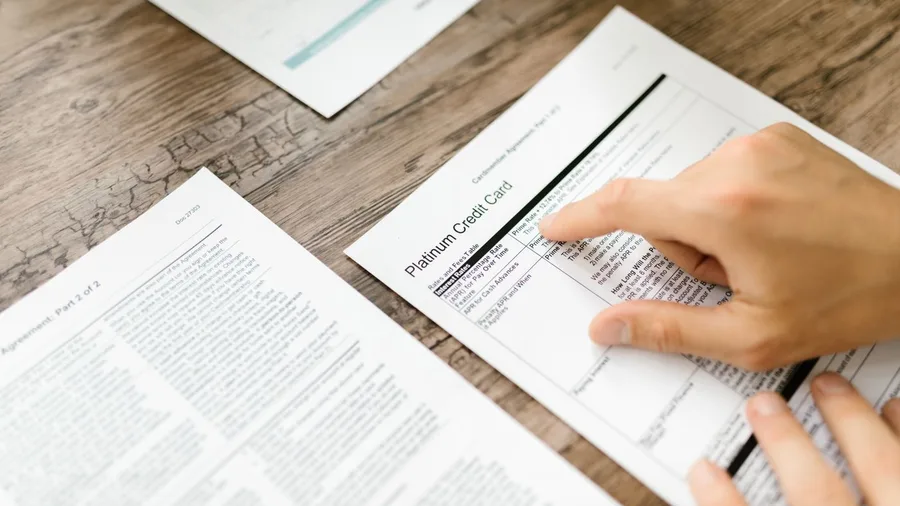
Call each lender and ask for three things: a lower APR, a hardship plan, or a fee waiver. A lower rate or a waived fee means every extra dollar you send cuts more principal, so the same $40 does more work without you finding another cent.
Approval is not guaranteed, and the call takes an annoying half hour on hold. Do it anyway, once, for the target balance first.
If a balance transfer or consolidation offer is on the table, compare it on exactly three things: how long the promotional rate lasts, the transfer fee (often a percentage of what you move), and what the rate becomes after the promo ends. Those terms come from the issuer in writing. A teaser rate that jumps in twelve months can cost more than the interest you were trying to escape.
One warning that matters: a missed payment can cancel a hardship arrangement entirely. Get the terms in writing so you know which payments and dates must be met, and set those first. The arrangement is only as good as your next on-time payment.
Legal and credit-reporting rules vary, so check them at official sources rather than trusting a rule of thumb from a forum. The point of the call is simple: lower the cost of the balance you already chose, then let the extra payment go further.
What should I do with a tax refund, bonus, or gift?

A lower rate makes every extra dollar cut deeper, and a lump of irregular money does more work than a small monthly bump, provided it reaches the target before it turns into spending. That is the whole job with a windfall: route it, do not let it sit in checking where it quietly becomes groceries. Tax refunds, work bonuses, cash gifts, money from selling furniture, and the third paycheck in a month are the usual arrivals.
The split is decided before the money shows up. Most goes to the target balance; a small piece stays back for the next surprise. On a $1,200 refund, that might be $1,000 to the card you have been attacking and $200 parked in savings so a car repair does not land on the card again and undo the work.
Then the transfer is set for the date the money lands. Not the day after, not when you get a minute.
Keep windfalls out of the monthly math entirely. The recurring extra payment has to work without a refund, a bonus, or a gift, because most months bring none of those. Irregular money is a speed-up, not the engine.
The test is simple. If the lump reaches the target, payoff moves forward; if it gets absorbed by everyday spending, those dollars were never really extra. Find every windfall on the calendar for the next six months, decide its split now, and put the transfer date on it.
⏱️ Set up the automatic extra payment in four steps
Put every minimum on autopay
Confirm each due date and amount before you add anything else.
Add a separate auto-transfer to the target
Use the card issuer's bill-pay or your bank's scheduled transfer — not the same account as your bills.
Match the transfer to the paycheck that funds it
If payday is the 1st and 15th and the target is due on the 18th, schedule the extra on the 15th.
Leave a cushion and check the balance
Keep enough in checking to clear every bill, and review the target balance once a month — not every account.
How do I make the faster payment happen every month?

A windfall is a one-time block; what carries the plan through twelve ordinary months is the extra payment leaving checking on payday without you deciding anything. So the first step is not the extra at all, it is every minimum on autopay before anything else moves.
That order matters. Once every due date is confirmed, a separate automatic transfer goes to the target. Match the transfer to the paycheck that funds it: paydays on the 1st and 15th, a card due on the 18th, and the extra transfer on the 15th, so the money is already in checking with several days of slack before the payment pulls.
Leave a small cushion in checking, maybe $100 to $200, so the transfer does not bounce on a week when a bill lands early. A bounced transfer costs a fee and can cancel the very arrangement you set up.
After the setup, track one number a month: the target balance. Not every account, not the total, just the one line you are trying to push down.
Recheck the extra amount any time a bill changes, or a paycheck shifts, so the transfer stays covered. The plan holds when the extra leaves on payday while every minimum clears without a decision from you that month.
What moves the balance vs. what keeps it in place
Moves that pay it down
- All minimums current, extra to one target
- Rate cut or fee waiver in writing
- Windfall split decided in advance
- Automatic extra on payday
- Small buffer kept for surprises
Moves that undo progress
- New financing for a want, not a need
- Skipping a minimum to pay extra
- Treating a transfer as paid-off debt
- Emptied emergency fund
- Extra payment that bounces
What mistakes should I avoid while paying off debt faster?
Three moves feel like progress and quietly keep the balance where it sits: borrowing again to make room, skipping a minimum so the extra looks bigger, and moving the balance to a new card and calling it handled. Start with the borrowing. A new loan or card taken out to pay a payment you already owe leaves the same money owed, only with a fresh clock and an extra fee, so the total creeps up rather than down. If the only way to make the extra payment is to take on new credit, the extra payment is not really happening.
Then there is the minimum. It is tempting to skip a $35 minimum and send that $35 to the target so the bigger number moves faster. What it costs: a late fee near that amount, a possible penalty rate on the whole balance, and a mark on your payment history that follows you. The extra is supposed to sit on top of every minimum, never in place of one, and a skipped minimum is never the trade that pays off faster.
A $1,000 balance rolled to a new card at 0% is still $1,000 you owe. It needs its own payoff target and its own minimum, and when the promo period ends, whatever is left gets repriced at the regular rate, which can hit 20% or more. The transfer only helps when it goes somewhere, not when it becomes the plan.
One more reverse to watch: draining every dollar to zero for a lump sum. Leave a buffer, even $500, because a car repair or a medical bill with nothing behind it usually ends up as a new card balance that undoes the month.
And if the minimums themselves no longer fit the paycheck, the extra payment is not the problem to solve. Stop the DIY plan and call a nonprofit credit counselor or the issuer's hardship department. Rules on credit reporting and collections come from official sources, not rules of thumb.
Frequently Asked Questions
Is it better to pay off debt or save first?
Do both, in this order: build a $500 buffer, then attack the highest-cost debt, then grow the buffer to one month of expenses. A full emergency fund before any extra payment often means the debt sits at 20% for years.
How much extra should I pay each month?
Whatever your budget audit actually frees — often $40 to $150 a month. The amount matters less than the automation and the consistency; $50 a month on a $2,400 balance at 22% is roughly $600 a year of progress.
Will calling my lender for a lower rate hurt my credit?
A phone call itself does not affect your credit. A hardship plan may be noted on your account, so ask the issuer what gets reported and get the terms in writing before you agree.
Should I use a balance transfer to speed things up?
Only if you can pay the balance off before the promo ends. Compare the promo length, the transfer fee (often 3–5%), and the post-promo rate from the issuer. If the payoff will not happen in time, the transfer just moves the problem.
What if I can't afford the minimums at all?
Contact a nonprofit credit counselor or your issuer's hardship department before you miss a payment. The earlier you call, the more options you have — waiting until after a missed payment narrows them.
Does paying extra on one card hurt my credit score?
Paying down a balance on time generally helps, because it lowers your credit utilization. Keeping every other minimum current protects the payment history that makes up the largest part of most scores.
Debt You Can Beat Without a Raise
Your first week is three things. Write every debt on one sheet with the balance and the minimum. Find one budget cut you can genuinely live with – a cancelled subscription, a re-quoted insurance policy, two fewer takeout lunches – and name the exact dollar amount that moves to the target each payday. Then set the first extra payment date and put it on the calendar.
On the target: choose the highest-cost debt, unless you need a quick win to keep going, in which case take the smallest balance and roll that payment onto the next one when it clears. The debt sheet and those two rules decide it – nothing else has to.
If the minimums are already unaffordable, the first call is a nonprofit credit counselor or the issuer's hardship department, not a bigger extra payment. And the answer to the opened question stays the same: faster payoff on a fixed paycheck is not a raise or a side hustle. It is three statements, one cut, and one date – a routing decision, repeated every month.
Set the first extra payment date today
Open your bank app, schedule the transfer for payday, and put the debt sheet on the fridge. One number tracked, one target, one automatic move.