
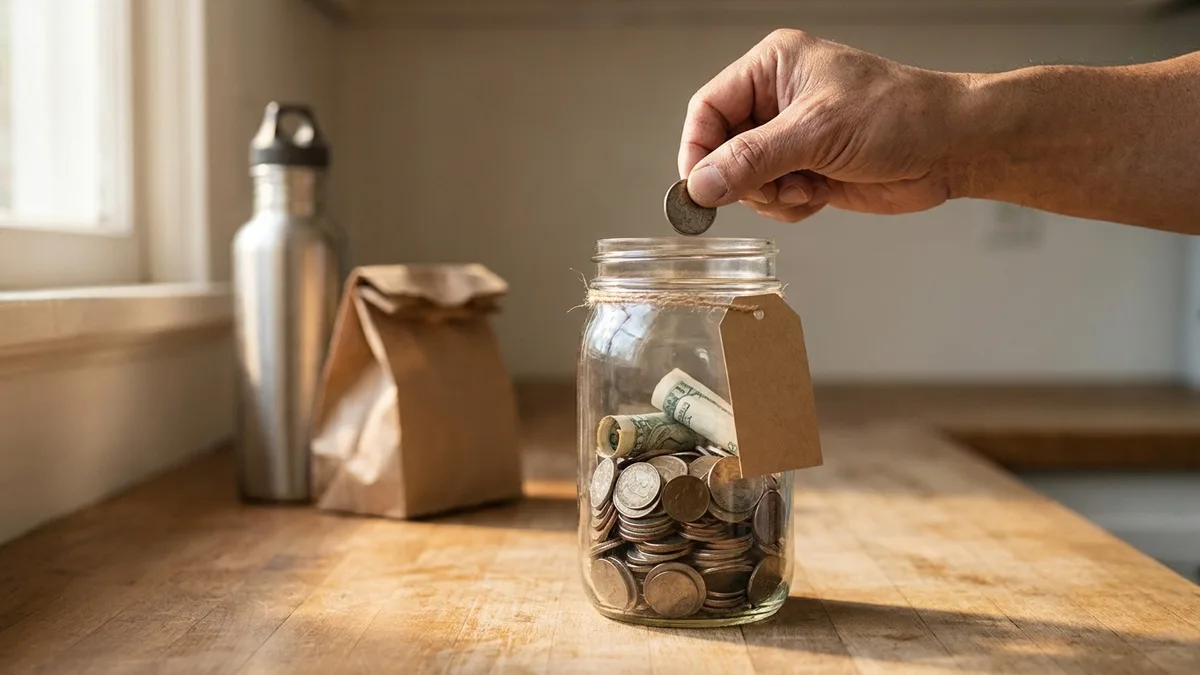
Somebody's vacation photos just went up, their car is newer than yours, and the money question never seems to land on them. Now the fact that closes that gap: the difference is rarely the paycheck. It is a short list of small purchases made on repeat.
Your month ended and the paycheck was simply gone. No sofa, no trip, no single thing to point at. Just a run of $2, $3 and $5.50 buys that each looked like nothing on the day.
That is where it went, and here is the part worth sitting with: the sticker price is the least informative number about any of these. The real price is what the same buy costs across fifty-two weeks.
All nine below get the same treatment. What it typically costs in the US, what that becomes over a year at a normal buying rhythm, a cheaper swap that meets the same need, and the honest case for ignoring the advice entirely. Cheap things repeated carry a fixed yearly bill.
Read it, name which of the nine you actually buy, then take the one you buy most often and cut just that this week. Not all nine. One, tracked, then the next.
Quick Tips Before You Start
Start with water
Swap bottled water for a refillable bottle and filtered tap; it pays back in two weeks.
Keep one coffee
Cut from five lattes a week to one and save about $1,000 a year without quitting entirely.
Batch-cook lunches
Cook two dinners into three lunches; the packed lunch has to be ready or you'll buy.
Change the battery
A $60–$100 battery service can stretch a phone to three years, saving $667 a year.
Track one month
Pick the cut you'll actually do, log it for 30 days, then redirect the difference.
Daily money leaks
These are the purchases you make without thinking — the bottle at the register, the coffee on the way in, the lunch you didn't pack. Each one is small enough to feel harmless in the moment. That's exactly why they're first on the list.
The per-unit price hides the annual total. A $1.50 bottle of water doesn't feel like a $550-a-year habit. But that's what it is when you buy one a day. These four cuts target the highest-frequency buys, where the yearly math is most obscured by the price tag.
1. Bottled water is mostly expensive tap
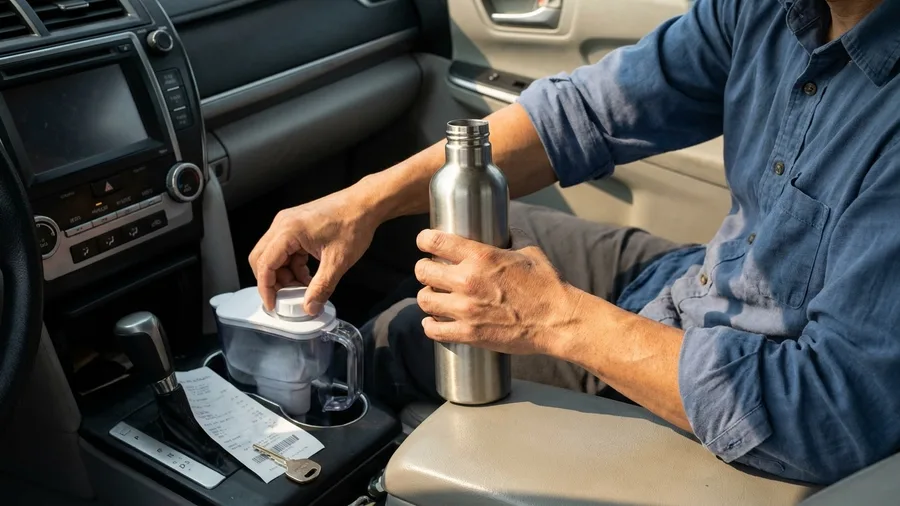
$1.50 is what a 16.9-ounce bottle of water costs at the counter, and that single number is the least informative fact about the purchase.
The same volume from a filtered tap runs about $0.02. So what the bottle is actually charging for is the plastic, the label, and the trip to the store that put it in your hand – not the water, which is the one part of the transaction that was nearly free to begin with. That gap is worth naming out loud because it is the whole reason this sits at the top of the list: it is a daily purchase whose real price only shows up when you stop reading the sticker and start reading the year.
Run the rhythm. One bottle a day at $1.50 to $2.00 lands somewhere between $550 and $730 across twelve months. None of those individual buys ever felt like a decision – nobody stands at the register weighing $1.75 – and that is exactly why the yearly figure surprises people. The per-bottle price is the smallest number in the whole transaction. The yearly total is the one that matters.
you do not have to give up cold water on the go, and you do not have to fix this today.
A $25 refillable bottle pays for itself in about two weeks at one bottle a day. After that the same habit – same water, same portability, same reach for it on the way out the door – costs pennies a day instead of dollars. That is the entire swap. No spreadsheet, no willpower campaign, no giving anything up that you actually wanted.
And if doing it cold feels like too much right now, scale it instead of quitting. Keep one bottle in the car and refill it before you leave the house on the days that are easy, and let the other days stay exactly as they are for a few weeks. The point is not to be perfect by Friday. The point is to notice the year behind the bottle, and then let a cheaper version of the same habit take hold at whatever pace it takes.
One honest exception, and it is a real one. If bottled water is how you handle local water quality – a boil notice you don't trust, a well you're not sure about, a building where the tap tastes wrong enough that you don't drink it – that is a health decision, not a savings one. The swap assumes the tap is safe to drink. Keep buying the bottles and let this one go.
For everyone else: the move is to buy the $25 bottle this week, and to carry it on the mornings you already leave the house. Ten or so refills and it has paid for itself. Everything after that is money that stays where it was.
💡 Tip: Keep a filled bottle in the fridge and one at your desk; the swap only works if the alternative is already cold and ready.
| Purchase to stop | Typical cost | Cheaper swap | Annual savings if stopped |
|---|---|---|---|
| Bottled water (1/day) | $1.50–$2.00 per bottle | Filtered tap in a $25 bottle | $550–$730 |
| Coffee-shop latte (5/week) | $5.50 each | Homemade coffee at $0.60 | $1,274 |
| Takeout lunch (5/week) | $14 each | Packed lunch at $4 | $2,600 |
| Checkout snack (5/week) | $3 each | Snacks bought in bulk | $780 |
| Lottery tickets ($10/week) | $2 per scratch-off | Automatic savings transfer | $520 |
| Gym membership (monthly) | $40 per month | Pay-per-class or community center | $480 |
| Extended warranty | $200–$400 per appliance | Self-insure with a repair fund | $200–$400 |
| New car payment | $735 per month | 3-year-old used car at $525 | $2,520 |
| Yearly phone upgrade | $1,000 per year | Keep phone 3 years ($333/year) | $667 |
2. Daily coffee-shop lattes cost hundreds

Wait until you have run the morning stop through the yearly math once, because the drink most people defend walks the same path as the bottle. Five lattes a week at $5.50 comes to about $1,274 a year, a figure that tends to land harder than the bottle because it costs nearly three times as much per drink.
The belief to notice is the one spoken in line: it's just one coffee. That sentence treats the purchase as a single event, when the thing being defended is a rhythm – five of them, every week, for a year, on a card that never flinches. $1,274 is what the unchanged habit costs, not a punishment for liking coffee; the $5.50 is simply the receipt for one cup.
The reframe is to price the rhythm, not the cup. Made at home, the same drink runs about $0.60, which leaves roughly $1,200 of room between the two versions of the same morning. Put that against your own year: a $1,274 habit costs more than many households pay in a month of gas and electricity combined. Same drink, different line on the year.
Here is the swap that does not require you to become a barista. Batch it – cold brew concentrate or a big press pot on Sunday covers the week, and $0.60 a cup holds because the work is already done when the alarm goes off. And if the café is your office or your one real social hour, the answer is not zero. Go two mornings instead of five, or order drip instead of the $5.50 latte, and bank the difference while you keep the table.
3. Workday takeout lunches drain paychecks

Run the same weekday arithmetic on lunch that the morning coffee uses, because it is the same purchase at a bigger ticket – and lunch is the bigger one.
Takeout at midday runs about $14. A packed lunch runs about $4. That is a $10 gap repeated every workday, and at five days a week it becomes roughly $2,600 over a year. Same five-day rhythm as the coffee, more than double the unit price, and the largest yearly figure among the everyday purchases on this list – simply because lunch is the most expensive thing most people buy on a weekday schedule without thinking about it.
What makes the swap survive a Tuesday is a system, not motivation. Cook two dinners into three lunches on Sunday, portion them into containers that are already in the fridge, and the decision gets made before noon. The lunch has to be cooked already. If it isn't, the $14 gets spent at 12:15, and it gets spent without a moment of doubt.
Skip it if work supplies meals, or if there is no fridge or microwave on site. Without storage, the packed lunch stops being a $4 lunch and becomes a second purchase on top of it.
💡 Tip: Skip it if work supplies meals or there's no fridge or microwave on site — without storage, the packed lunch costs a second purchase.
The Daily Leak in Four Numbers
What small, frequent purchases cost across a year
4. Checkout snacks quietly add $780 a year
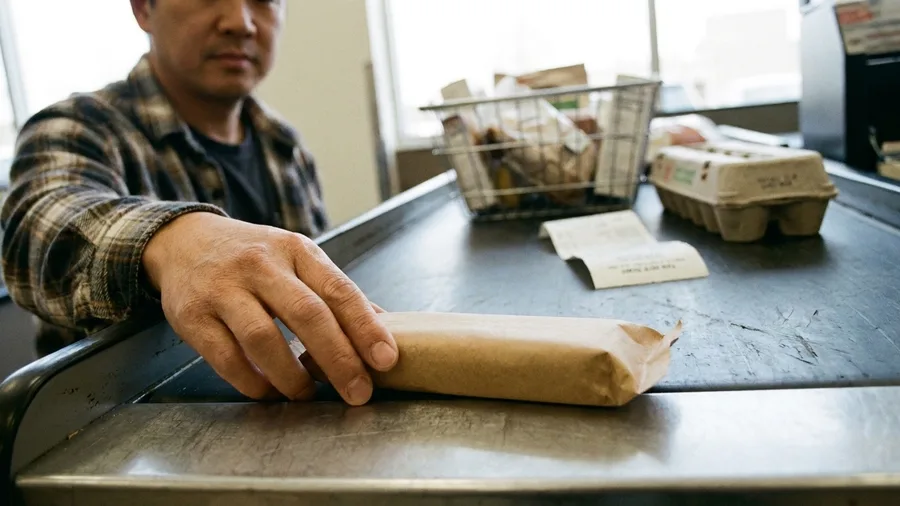
Three dollars does not feel like a decision, and that is exactly why the guilt that comes with it is misplaced. Nobody is standing at the register weighing a budget line at 5:40 on a Tuesday with a basket already half unloaded. The snack gets picked up because it is there, because the line stopped moving, because dinner is still an hour and a half away.
Run the math anyway. One of those items runs about $3, and at a five-times-a-week rhythm that is $780 over twelve months. No app, no spreadsheet, just the same three dollars at the same counter.
What makes this one slippery is where it happens: in the queue, at the counter, after the decision to buy groceries was already made and put in the basket. The purchase rides in behind a purchase. You never sat down and chose it, so you never feel it leave.
The swap is not deprivation, it is relocation. Move that same $3 to the grocery run, buy the bag or the box in bulk, and carry a portion in the work bag. The unit cost drops, the need is met, and the money shows up in the cart where you can see it, instead of at the counter where you can't.
Quiet recurring costs
These are the charges that bill themselves. You don't stand at a counter and hand over cash; the money leaves automatically, once a week or once a month, and you stop noticing.
The gym membership renews. The lottery ticket gets bought out of routine. None of these feel like spending decisions because no decision is required. That's exactly what makes them worth reviewing.
5. Lottery tickets are a weak savings plan
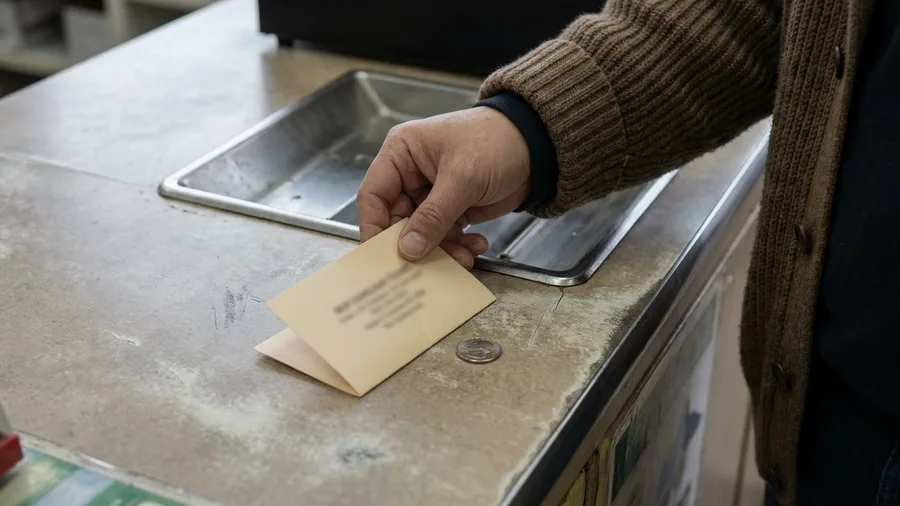
The common belief is that a $2 scratch-off cannot matter. Two dollars a week is $104 a year. Ten dollars a week is $520, from the same 52-week multiplication as everything else on this page, and it is the smallest weekly outlay here.
The mistake is buying it as a small hope instead of a purchase. That framing is why it never gets held up against what $520 buys when it simply stays in the account instead. Small cash handed over at a counter, repeated every week, and filed under entertainment before anyone looks at it.
The fix keeps the routine and changes where it lands. Set an automatic transfer of $10 a week into savings on the day you would have bought the ticket. By the second month it is invisible, and the account is $520 heavier by December.
If the lottery money is truly capped entertainment spending, a $10 limit you actually keep is a hobby, not a leak.
💡 Tip: Skip it if the lottery spend is strictly entertainment money with a capped budget — a $10 cap that is actually kept is a hobby, not a leak.
💡 PRO TIP
Automate the redirect, not the discipline
Whatever you cut from this list, set up an automatic transfer for the difference on the same day your paycheck lands. You're not relying on willpower; you're changing where the money goes before you see it.
6. Unused gym memberships are expensive storage
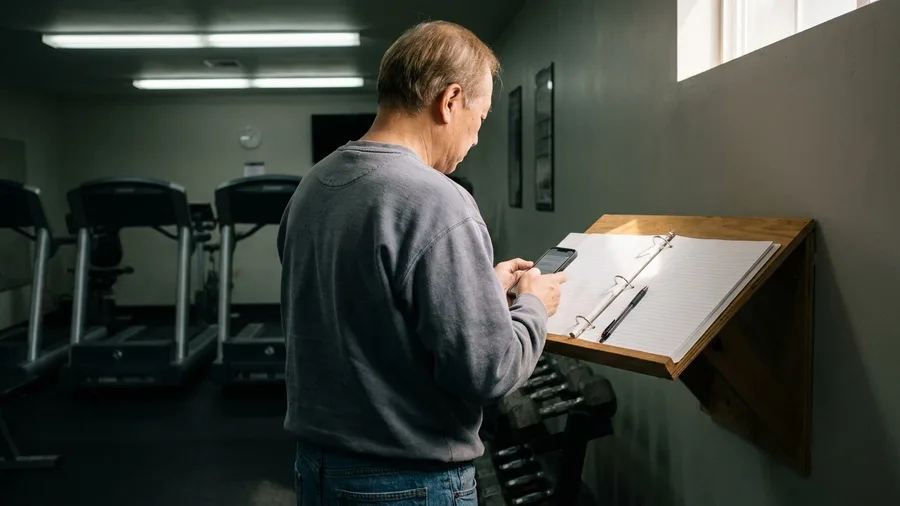
That is the only question that matters, and it can be answered with one number you probably already have on your phone. Not the monthly charge. The per-visit cost.
Here is the arithmetic. A $40 monthly membership is $480 a year, and it arrives in twelve quiet installments that never pass through a checkout counter. Nothing about it feels like spending. That is the whole reason it persists. Where a lottery ticket is a charge the buyer chooses again every week, this one is among the subscriptions you are paying for and never use, so the loss can run for months without a single decision being made.
So pull up the gym's app or your card statement and count the visits in the last sixty days. If the answer is around twice a month, each session is costing you $20. The monthly price looks reasonable; the per-use price is what tells the truth. Twenty dollars a visit for a treadmill and a rack of dumbbells is a real number, and it is staring at you from a statement you have not opened in a while.
Now the move. Take that visit count, divide the $480 by it, and write the per-visit figure down where you will see it. That is your deadline number, not a vague intention to go more. If it comes out above what a drop-in class or a day pass costs near you, you have your answer on paper.
Then act on it this week, not at some future renewal you will forget. Cancel or downgrade before the next billing date, and if the gym offers a pause for a couple of months, take the pause instead of a full cancel so you can test whether you actually miss it. Set a phone reminder for the day before the charge hits. The goal is to make the membership pass through your hands once a month, the way the small counter purchases do, so it stops being invisible.
The alternative for most people is pay-as-you-go classes, a parks department program, or a community center pass, all of which match the same need without a twelve-month commitment dragging behind you. You keep the option to walk in when you want to and walk away when you don't.
And if you go weekly, use the included classes, and know the per-visit math already works in your favor, leave it alone. A membership used three or four times a week is the cheapest fitness on this list, not a leak. The point is never to cancel a good habit; it is to find the charge paying for storage instead of sweat.
💡 Tip: Before you cancel, check whether your insurance or employer offers a discounted gym membership; the same access can cost less.
The Money Words in This List
Big-ticket drains
Now apply the same yearly math to much larger sums. These are the purchases where the per-month price feels normal but the annual total runs into the thousands.
A car payment, a phone upgrade, an extended warranty at checkout — each one is sold as a monthly figure or a small add-on. The yearly cost is what the monthly figure never shows.
7. Extended warranties can cost more than repairs
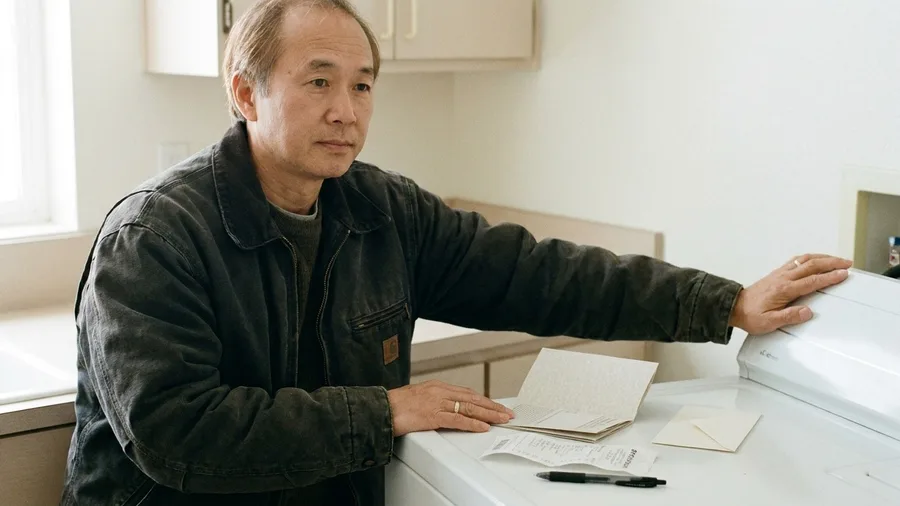
A few years back I stood at a checkout counter with a $600 washing machine on the receipt and a cashier asking if I wanted three years of protection for $260. I said yes without doing any math, and I have thought about that $260 more than I have thought about the washer.
That $260 was more than two-fifths of the purchase price, paid in advance to cover a repair that, for most appliances, comes in cheaper than the warranty does. The policy exists to make the store money, and it does that by selling you certainty at a markup.
Before saying yes to any of it, check what you already have. Many appliances leave the factory with a manufacturer warranty of a year or more, and some credit cards extend that coverage on purchases you put on the card. In that case the $200 to $400 buys a second layer over coverage that was already there.
The alternative is to self-insure. Set the same $200 to $400 aside in a repair fund. If the appliance breaks, the money covers it; if it holds, the money stays with you instead of the retailer.
There is one case where the warranty makes sense, honestly. If a surprise repair would land on a credit card you cannot pay off that month, the warranty is working as an emergency fund, just at a bad price. Build a small cushion first, then cancel the coverage at renewal.
New Car vs. 3-Year-Old Used Car
New car
- Monthly payment around $735
- Loses a large share of value early
- Insurance often higher
- Warranty covers early repairs
3-year-old used car
- Monthly payment around $525
- Depreciation already absorbed
- Insurance often lower
- Repair risk higher; budget for it
8. New cars lose value before you finish paying
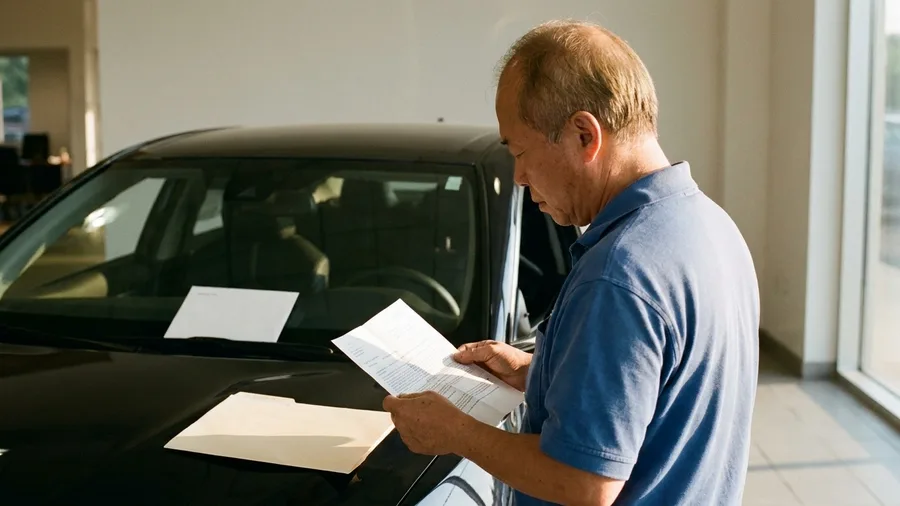
Two payments sit on the same driveway, and one is roughly $200 higher every month. A new car finances around $735; a comparable three-year-old model runs closer to $525. Same commute, same school run, same grocery store. That gap adds up to roughly $2,520 over a year, and it is the price you pay for the privilege of being the first owner.
The reason used costs less is not charity. Depreciation, the drop in a car's value as it ages, hits hardest in the first couple of years, so the three-year-old has already taken that hit and the original owner absorbed it. The new car keeps shedding value while the payments keep arriving, month after month. But this is where your own numbers matter: insurance can swing either way, and a used car may need repairs sooner. The $2,520 is a starting gap, not the finish line, so get a quote on both before signing anything.
There is a real case for ignoring all of this. If you need a specific new safety feature, or you plan to drive the same car for ten years or more, the new-car premium fades over a long hold because you spread it across so many years. Run both options against your own budget and mileage before deciding.
Phone Upgrade Plan — At a Glance
📱 Flagship price
$1,000
🗓️ Upgrade every year
$1,000/year
🔋 Keep 3 years
≈$333/year
🛠️ Battery replacement
$60–$100
The move
Replace the battery instead of the phone; most of what feels like a dying phone at year two is a battery service.
9. Yearly phone upgrades are a subscription to depreciation

Stop replacing the phone every year and start replacing the battery. A phone bought new runs about $1,000, and upgrading every twelve months means you spend that $1,000 every year. Hold onto the same handset for three years and the yearly cost falls to roughly $333, so the whole decision hinges on how long you keep it. The carrier package rarely shows you that number, because trade-in credits and a low-looking installment spread the cost thin enough to feel small.
Set one reminder and stop deciding. Log the battery health figure on your phone and put a calendar alert for the two-year mark, when a replacement battery usually costs $60 to $100. Worn batteries are the real source of the dying-phone feeling, and a fresh one keeps the same handset running rather than forcing an upgrade. Set the reminder, note the battery cost, and leave the loop alone.
The obvious exception: if the phone is failing outright or your job needs an app the old one cannot run, that is a broken tool, not a leak. Replace it without guilt.
🔄 One Cut, Then the Next
Pick one purchase
Choose the item on this list you buy most often — usually bottled water, coffee, or lunch.
Track it for 30 days
Write down every time you buy it; you are measuring frequency, not judging yourself.
Redirect the difference
Move the saved amount into a separate account on payday, automatically if you can.
Add the next cut
Once the first swap feels normal, pick the next item and repeat the same 30-day cycle.
Frequently Asked Questions
How much can I realistically save by cutting a few of these purchases?
It depends on which ones you cut and how often you buy them. The four daily items — water, coffee, lunch, and snacks — add up to more than $5,000 a year if you stop all of them. Most people start with one or two and save several hundred to a couple thousand in the first year.
Do I have to give up everything on this list to see a difference?
No. The point is to pick the one you buy most often, track it for a month, and redirect the difference. Adding the next cut only after the first sticks is how it lasts. Trying to do all nine at once usually ends with none of them.
What if I need bottled water because of local water quality?
Then the swap doesn't apply. That's a health decision, not a savings one. Check your local water report or use a certified filter before you cut the bottle. The same goes for any item on this list where the cheaper option doesn't fill the actual need.
Should I cancel my gym membership if I only go once or twice a month?
Run the per-use cost. A $40 monthly membership used twice a month is $20 a visit. If pay-as-you-go classes or a community center cost less per visit, the swap makes sense. Check the cancellation policy first — many gyms require 30 days' notice or a fee.
Is it worth buying an extended warranty on a new appliance?
Usually not. An extended warranty runs $200–$400 on a $600 appliance, up to two-thirds of the purchase price. Check the manufacturer warranty and your credit card's coverage first — you may already have protection. If a surprise repair would go on a credit card, build a repair fund first, then drop the warranty at renewal.
How do I know which purchase to cut first?
Pick the one you buy most often. Frequency is what makes the annual total large. If you buy coffee five days a week and bottled water once a week, start with coffee. Track that one purchase for 30 days, redirect the difference, and add the next cut only after the first feels automatic.
Thirty Days of Fewer Trips, Counted
If you only try one cut this week, make it the thing you buy most often. For most people that is the daily coffee or the $3 checkout snack, not the car and not the warranty. Frequency is what makes a first cut stick, because you get the repetition to prove it to yourself before the month is out.
Track that one expense for thirty days before you touch anything else. Every snack, every morning you almost stopped. The tracking is what shows you the real number and makes the yearly total visible in a way a list cannot. Then move the difference into a separate account on payday, as a transfer, so it is not sitting there waiting to be spent. Add the next cut only once the first has held for a month.
The paycheck that vanished had nine names on it. You now know which of the nine are yours. One cut, tracked for a month, is the entire method, and the $3 item in the queue is still the cheapest place to prove it works.
Pick Your One Cut
Choose the purchase you buy most often, track it for 30 days, and redirect the difference. Start today — the first 30 days are the hardest and the most revealing.
